
Container Gardens
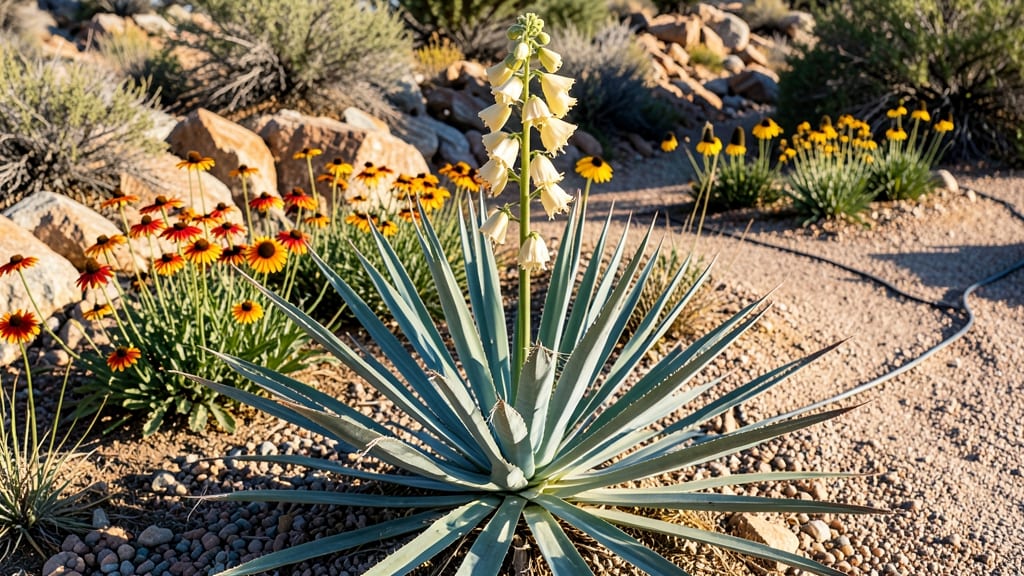
The New Mexico Botanical Garden features over 7,000 plant species across 25 acres, blending desert-adapted flora with themed gardens like the Japanese Garden and Rose Garden. This free-admission destination offers guided tours and year-round exhibits focused on New Mexico's native ecosystems.
The New Mexico Botanical Garden stands out as a living classroom for desert botany, where 7,000+ species thrive in carefully designed ecosystems. 🌵 Unlike traditional gardens, this space prioritizes drought-resistant plants and pollinator-friendly varieties, making it a model for sustainable landscaping.
Themed sections like the Japanese Garden and Rose Garden create stunning contrasts while educating visitors about regional biodiversity.
What makes this garden special is its seasonal transformation—spring wildflowers burst into color, fall foliage paints golden hues, and even winter cacti bloom under the right conditions. 🌸 The free admission policy and expert-led tours ensure accessibility for all visitors, while nearby attractions like the Albuquerque Balloon Fiesta add extra charm for extended trips.
Whether you're a plant enthusiast or just love scenic walks, this garden delivers both education and inspiration.
💡 In This Article
- Native Plants and Desert Ecosystems at New Mexico Botanical Garden
- Seasonal Highlights and Visitor Tips for New Mexico Botanical Garden
Native plants and desert ecosystems at New Mexico botanical garden
The New Mexico Botanical Garden's plant collections are carefully curated to reflect the state's diverse ecosystems, from high desert shrublands to riparian woodlands. 🌵 Over 7,000 species thrive here, with a focus on native plants that have evolved remarkable adaptations to New Mexico's extreme climate—like the ocotillo, which stores water in its thick stems, and yarrow, whose deep roots access moisture from deep soil layers.
These plants demonstrate how life persists in environments with less than 10 inches of annual rainfall, a critical lesson for sustainable landscaping in arid regions.
The garden's layout mimics natural habitats through carefully designed zones.
For example, the Desert Garden features cacti and succulents arranged by their natural growth patterns, while the Meadow Garden showcases grasses and wildflowers that would typically grow together in New Mexico's grasslands. 🌼 What's fascinating is how the garden uses microclimates—small areas with different moisture and temperature conditions—to create diverse growing environments within the same space.
This approach helps visitors understand how plants interact with their environment and how to replicate these conditions in their own gardens.
One of the garden's most important roles is its conservation work.
Many of the plants here are pollinator-friendly species, supporting critical insect populations like monarch butterflies and native bees. 🐝 The garden partners with local organizations to preserve endangered species, such as the New Mexico wild onion, which faces habitat loss.
Visitors can see these conservation efforts in action through labeled displays that explain each plant's ecological role and threats to its survival. This hands-on education helps gardeners make informed choices about which plants to include in their own landscapes.
The botanical science behind these collections goes beyond aesthetics. For instance, the garden's aridland species demonstrate how plants have evolved to minimize water loss through adaptations like smaller leaves and reflective surfaces. 🌡️ This knowledge translates directly to gardening practices—like choosing plants with similar adaptations for water-wise landscapes.
The garden's expert staff often shares these insights during their guided tours, which are especially valuable for home gardeners looking to create low-maintenance, sustainable spaces.
What might surprise visitors is how the garden balances scientific education with beauty. The Japanese Garden, for example, contrasts with the desert collections while still featuring plants adapted to New Mexico's climate. 🌸 This juxtaposition highlights how different cultures approach plant cultivation and landscaping.
The garden's ability to educate while inspiring makes it a unique resource for both casual visitors and serious plant enthusiasts. Whether you're admiring a blooming penstemon or learning about the ecological importance of yucca, every plant tells a story about New Mexico's natural history.
For those interested in sustainable landscaping, the garden offers practical takeaways.
Many of the plants here thrive with minimal irrigation once established, making them ideal for New Mexico's climate. 💧 The garden's plant sales and workshops provide opportunities to learn which species work best in different conditions, from sunny slopes to shaded areas.
This focus on practical application makes the garden's scientific collections directly relevant to everyday gardening challenges.