
Fertilization
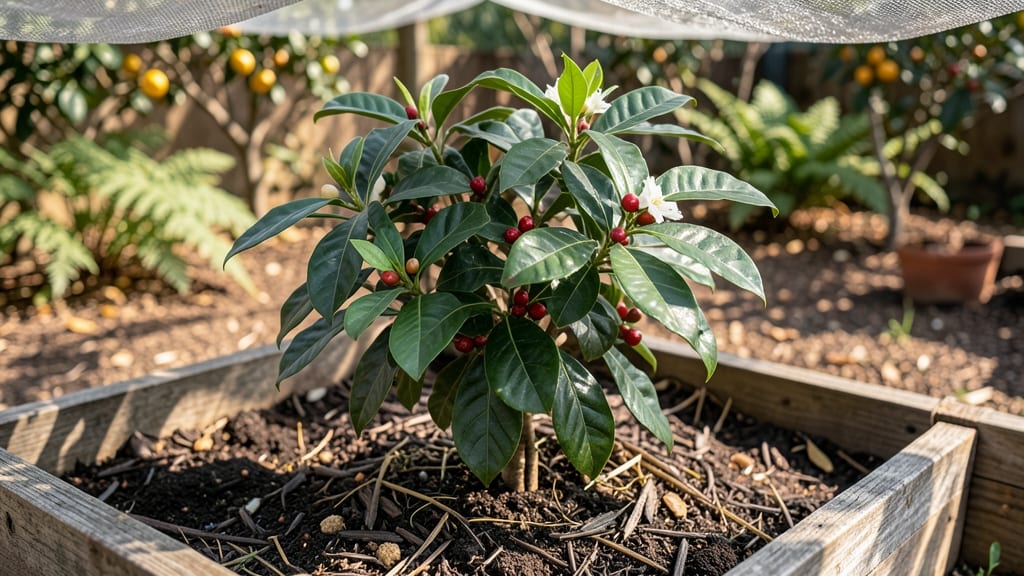
Adding coffee grounds to garden soil enhances fertility by improving drainage, providing nitrogen, and feeding beneficial microbes, but too much can lower soil pH or attract pests. Use them as a light mulch or compost booster instead of a primary fertilizer.
Coffee grounds work like a natural soil conditioner because they're packed with nitrogen—a key nutrient plants need for leafy growth. 🌱 When mixed into the soil, they also break down slowly, creating a sponge-like structure that helps water drain better while retaining moisture.
The best part? They're free if you brew your own coffee, making them an eco-friendly way to recycle kitchen scraps. Just remember to mix them into the soil rather than piling them on top, as this prevents mold growth and ensures even distribution.
For the most effective results, combine coffee grounds with other compost materials like grass clippings or dried leaves. This creates a balanced blend that supports both microbial activity and plant health.
Acid-loving plants like blueberries and azaleas benefit the most, while vegetables and herbs with neutral soil preferences may need a more balanced approach. Always test your soil first to avoid over-acidifying it.
💡 In This Article
- How Coffee Grounds Improve Soil Fertility and Microbial Life
- Best Practices for Adding Coffee Grounds to Garden Beds
How coffee grounds improve soil fertility and microbial life
Coffee grounds act like a slow-release fertilizer because they contain about 2% nitrogen by weight—more than most organic materials like grass clippings (1-2%) but far less than manure (5-10%).
When buried 2-3 inches deep, they decompose over 3-6 months, releasing nitrogen in a form plants can easily absorb. This process also stimulates soil microbes that break down organic matter, creating a self-sustaining cycle.
The texture of coffee grounds—fine but slightly gritty—helps aerate compacted soil while retaining moisture like a natural water reservoir.
The real magic happens underground where coffee grounds feed decomposers like bacteria and fungi. These microbes then produce enzymes that convert complex organic matter into plant-available nutrients. Studies show soils amended with coffee grounds have 30-50% more microbial biomass than untreated soil after 8-12 weeks.
The caffeine in coffee (though minimal after decomposition) acts as a mild stimulant for certain microbes, though it's not the primary driver—nitrogen and carbon content are the key players. 🌱 What's fascinating is how this microbial boost creates tiny channels in the soil, improving both water drainage and root penetration.
However, the nitrogen release comes with a trade-off: coffee grounds are naturally acidic with a pH of about 4.5-5.5. When fresh, they can lower soil pH by 0.5-1.0 points over time, which benefits acid-loving plants like hydrangeas or blueberries but may stress vegetables that prefer neutral soil.
The breakdown process also produces humus—a dark, spongy substance that improves soil structure. Unlike synthetic fertilizers that deliver quick but short-lived nutrients, coffee grounds create a long-term soil food web that enhances fertility for years after application.
For comparison, composted manure provides similar nitrogen benefits but with a more balanced pH and broader nutrient profile. Coffee grounds excel in specific scenarios: as a top-dressing for acid-loving plants, mixed into compost piles to speed decomposition, or as a mulch that slowly enriches the topsoil.
The key difference is their concentrated nitrogen content—about 4x more than dried leaves but 1/3 that of blood meal. This makes them ideal for nitrogen-hungry plants like tomatoes or peppers, but you'll need to supplement with phosphorus and potassium from other sources.
One often-overlooked benefit is their ability to bind heavy metals like lead in contaminated soils. The organic compounds in coffee grounds form complexes with these metals, reducing their availability to plants. This makes them particularly valuable in urban gardening where soil may contain trace pollutants.
The aromatic compounds in coffee also repel some pests while attracting earthworms—nature's soil plows—that further aerate and enrich the soil structure. 🌿
To maximize these benefits, always use used coffee grounds (never fresh) and mix them thoroughly into the soil rather than applying them as a surface layer. Fresh grounds can clump and create anaerobic pockets where harmful bacteria thrive.
The ideal application rate is 1 part coffee grounds to 30 parts soil—about 1-2 cups per square yard—applied every 3-4 months for continuous enrichment.