
Fertilization
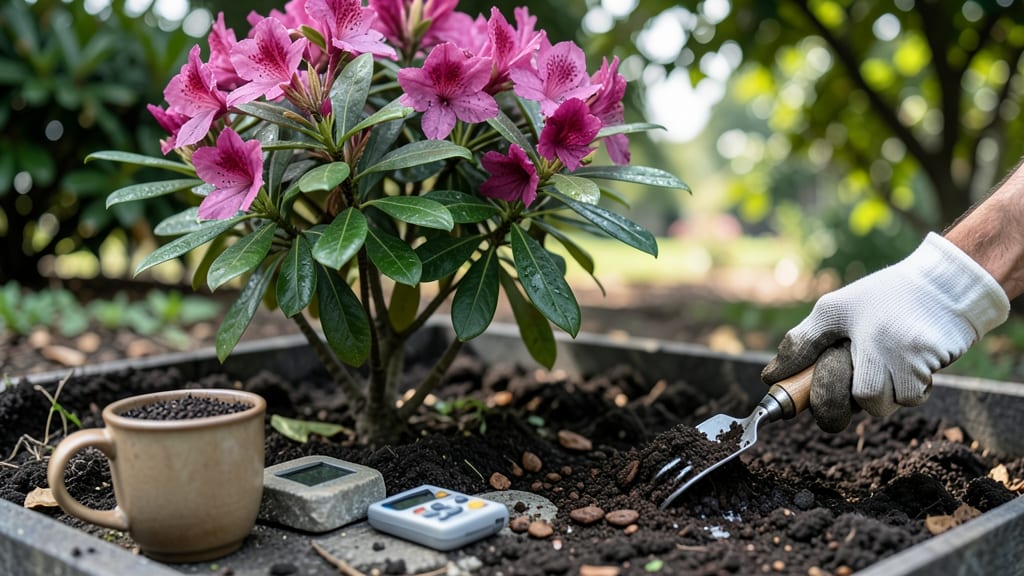
Using coffee grounds in your garden enriches soil with nitrogen, improves moisture retention, and deters pests like slugs and ants while adding organic matter for healthier plant growth.
Coffee grounds work like a natural fertilizer because they break down slowly, releasing nitrogen over time—this is especially helpful for acid-loving plants like blueberries and azaleas. 🌱 The gritty texture also improves soil aeration, helping roots absorb water and nutrients more efficiently.
I’ve found that mixing used grounds into compost piles speeds up decomposition, creating nutrient-rich soil faster than traditional compost alone.
For pest control, the caffeine in coffee grounds acts as a natural deterrent—slugs and ants avoid the bitter scent. Just sprinkle a thin layer around plants or mix into mulch. However, use them sparingly: too much can compact soil or raise acidity levels, which may harm sensitive plants.
💡 In This Article
- How Coffee Grounds Improve Soil Health and Plant Growth
- Best Ways to Use Coffee Grounds in Your Garden
How coffee grounds improve soil health and plant growth
Coffee grounds are a powerhouse for soil health because they're rich in nitrogen—a crucial nutrient for plant growth. When used grounds decompose, they release this nitrogen gradually over 2-3 months, feeding plants slowly rather than all at once.
This slow-release mechanism mimics natural organic fertilizers like compost. The nitrogen content typically ranges from 1.4-2.5% by weight, which is comparable to many commercial organic fertilizers but without synthetic additives.
The gritty texture of coffee grounds also plays a key role in soil structure. When mixed into garden beds or compost, they create tiny air pockets that improve aeration—roots can breathe better, and beneficial microbes thrive in this oxygen-rich environment.
These microbes then break down the coffee grounds further, releasing additional nutrients like phosphorus and potassium. The result? A more vibrant, nutrient-dense soil that holds moisture longer, reducing the need for frequent watering.
Here's where it gets interesting: coffee grounds can adjust soil pH levels. Fresh grounds are acidic (pH around 4.85-5.10), making them ideal for acid-loving plants like blueberries, azaleas, and rhododendrons. However, they won't drastically alter soil pH unless used in large quantities.
For example, mixing 1 cup of coffee grounds per square yard into garden beds can help maintain the perfect acidic environment these plants crave. 🌿
What most gardeners don't realize is how coffee grounds repel pests through their chemical composition. The caffeine and tannins act as natural insecticides, deterring slugs, ants, and even some types of worms. When you sprinkle used grounds around plants, the bitter aroma creates an invisible barrier that pests avoid.
This is particularly effective for organic gardeners who want to avoid chemical pesticides. The caffeine content alone can be as high as 1-2%, which is enough to make the grounds unappetizing to many garden nuisances.
For moisture retention, coffee grounds work like a sponge. Their fibrous structure helps soil hold up to 30% more water than regular soil, which is especially valuable during dry spells. This means your plants stay hydrated longer, reducing watering frequency by up to 20%.
The improved water retention also prevents nutrient leaching, ensuring plants have a steady supply of essential minerals.
One advanced tip: if you're using coffee grounds for compost, they speed up decomposition by attracting earthworms and microbes. These soil organisms break down organic matter faster, creating nutrient-rich compost in about half the usual time.
The key is to mix them thoroughly with other compost materials like green waste (grass clippings, vegetable scraps) to balance the carbon-to-nitrogen ratio.