
Fertilization
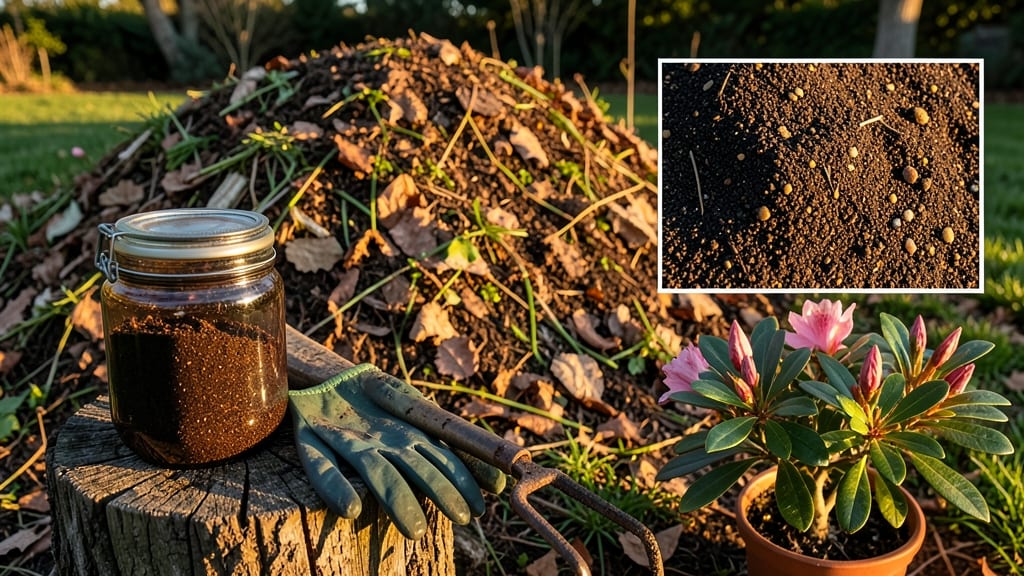
The benefits of coffee grounds in the garden include enriching soil with nitrogen, deterring pests like slugs and ants, and supporting acid-loving plants while naturally inhibiting weeds. Use them judiciously to prevent over-acidifying your soil.
Coffee grounds work wonders for your garden because they're packed with nutrients like nitrogen, which acts as a natural fertilizer when broken down by soil microbes. 🌱 The caffeine in grounds also acts as a mild pesticide, repelling common garden pests while attracting earthworms that aerate the soil.
For best results, mix them into compost piles or sprinkle lightly around acid-loving plants like azaleas and blueberries—just remember to balance them with other organic matter to maintain proper soil pH.
What makes coffee grounds especially valuable is their dual-purpose functionality. They not only feed your plants but also serve as a natural weed suppressor when used as mulch.
I've found that combining them with other compost materials creates a nutrient-rich environment that promotes healthier root systems and more vibrant foliage over time.
💡 In This Article
- How Coffee Grounds Boost Soil Health and Plant Growth
- Practical Ways to Use Coffee Grounds in Your Garden
How coffee grounds boost soil health and plant growth
Coffee grounds act as a slow-release fertilizer because they contain about 2% nitrogen by weight—roughly half the concentration of synthetic nitrogen fertilizers but with the added benefit of being organic.
When mixed into the soil, beneficial microbes (like bacteria and fungi) break down the grounds through a process called decomposition, converting the nitrogen into forms like ammonium and nitrate that plants can absorb through their roots.
This microbial activity also stimulates the growth of mycorrhizal fungi, which form symbiotic relationships with plant roots, enhancing nutrient uptake and overall plant vigor. 🌱
The acidity of coffee grounds (typically pH 6.2-6.8, though fresh grounds can be slightly more acidic) makes them particularly effective for plants that thrive in acidic conditions, such as azaleas, blueberries, and rhododendrons.
These plants prefer soil pH levels between 4.5 and 5.5, and coffee grounds can help lower the pH gradually over time. However, the effect is subtle—adding coffee grounds alone won’t drastically acidify your soil unless used excessively.
For example, mixing 1 cup of coffee grounds per square yard of soil every few months can maintain ideal conditions for acid-loving plants without risking over-acidification.
Beyond nitrogen, coffee grounds contribute other essential nutrients like phosphorus and potassium, though in smaller amounts. The phosphorus supports root development and flowering, while potassium strengthens cell walls and improves disease resistance. What’s often overlooked is the caffeine content—about 1-2% by weight—which acts as a natural pesticide.
Caffeine disrupts the nervous systems of pests like slugs and ants, deterring them from feeding on your plants. This is why you’ll often see fewer slug trails in gardens where coffee grounds are regularly applied. 🐌
The breakdown process of coffee grounds in soil isn’t instantaneous. Fresh grounds decompose slowly, taking anywhere from 2 weeks to several months to fully integrate into the soil, depending on environmental conditions like moisture and temperature.
In warmer, moist climates, decomposition happens faster, while cooler or drier conditions slow it down. This gradual release makes coffee grounds an excellent long-term soil amendment, especially when compared to synthetic fertilizers that can leach away quickly or burn plant roots if overapplied.
One of the most fascinating aspects of coffee grounds is their ability to improve soil structure. As they decompose, they add organic matter that enhances soil porosity, allowing air and water to penetrate more easily. This is particularly beneficial for heavy clay soils, which can become compacted and waterlogged.
For instance, adding coffee grounds to clay soil can improve its drainage by up to 30% while also increasing its ability to retain moisture during dry spells. The result is a more balanced soil environment that supports robust plant growth. 💫
However, it’s important to note that coffee grounds should never be used as a sole fertilizer. While they provide valuable nutrients, they lack some essential elements like calcium and magnesium, which are critical for plant health.
To create a well-rounded soil amendment, mix coffee grounds with other organic materials like compost, leaf mold, or well-rotted manure. This combination ensures your plants receive a full spectrum of nutrients while benefiting from the unique properties of coffee grounds.