
How To
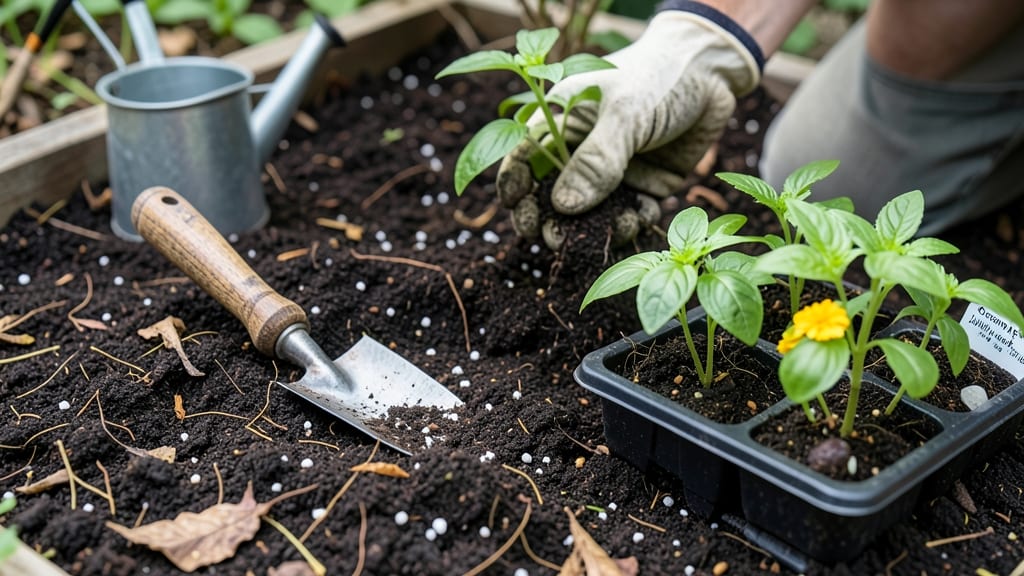
Jolly Rancher Gardener Potting Soil is a premium blend designed specifically for container gardening, making it perfect for growing herbs, vegetables, and flowering plants thanks to its ideal balance of moisture retention and airflow. For heavy containers, mix it 2:1 with perlite or sand, or use it straight for delicate seedlings.
This premium soil blend stands out because of its carefully balanced mix of organic and inorganic components like peat moss, compost, and perlite, which work together to create an environment where roots thrive. 🌱 The peat moss holds moisture without becoming soggy, while perlite adds air pockets that prevent compaction—a common issue with cheaper mixes.
I've found it particularly effective for container gardens where drainage and aeration are critical, especially for plants like basil or peppers that hate soggy roots.
What makes this soil truly versatile is how adaptable it is to different plant needs. For example, you can use it straight out of the bag for seedlings or delicate flowers, but when planting heavier feeders like tomatoes, I recommend amending it with extra compost.
The 2:1 mixing ratio with perlite isn't just a suggestion—it's a game-changer for preventing root rot in clay pots where water tends to pool.
💡 In This Article
- Jolly Rancher Soil Composition and Plant Growth Benefits
- Mixing Ratios for Jolly Rancher Soil by Plant Type
Jolly Rancher soil composition and plant growth benefits
The magic of Jolly Rancher Gardener Potting Soil lies in its carefully engineered blend of 50% peat moss, 25% compost, 15% perlite, and 10% vermiculite by volume.
The peat moss acts as the moisture reservoir, holding up to 60% of its weight in water while still allowing air circulation—a critical balance for root respiration.
This is why your herbs stay consistently moist without becoming waterlogged, unlike cheaper mixes that either dry out too fast or stay perpetually soggy. 🌱
The compost component provides essential nutrients like nitrogen, phosphorus, and potassium in a slow-release format, feeding plants over 3-6 months instead of the quick burst from synthetic fertilizers.
For example, a basil plant in pure Jolly Rancher soil will show steady growth without the need for extra fertilizer until about 6-8 weeks of active growth.
The perlite and vermiculite work as structural supports, creating 30-40% air pockets that prevent compaction—a common issue in heavy clay soils or poorly drained containers.
What sets this apart from generic potting mixes is its pH-balanced formula (5.8-6.5), which is ideal for most container plants. The slightly acidic environment helps unlock nutrients from the compost while preventing toxic buildup that can occur in alkaline soils.
For instance, tomatoes thrive in this range because their root systems can efficiently absorb calcium and magnesium, reducing the risk of blossom-end rot—a common problem in alkaline container soils. 💫
For delicate plants like African violets or seedlings, the soil's light texture (0.8-1.2 g/cm³ density) mimics the loose, aerated conditions they need. The vermiculite holds moisture near the roots while the perlite prevents water from pooling at the bottom of pots.
This dual-action system is why you can often water 20-30% less than with standard mixes without risking drought stress. The result? Healthier roots that grow outward rather than circling the pot in search of moisture.
Here's how the components work together in practice:
- Peat moss: Holds moisture while preventing anaerobic conditions that suffocate roots
- Compost: Provides microbial activity that breaks down organic matter into plant-available nutrients
- Perlite: Adds 1-2mm air channels that improve oxygen flow to roots
- Vermiculite: Acts as a moisture buffer, releasing water slowly to roots
The combination creates what gardeners call a "self-regulating" medium—one that maintains consistent moisture and aeration without constant intervention. This is particularly valuable for busy gardeners who might forget to water every 2-3 days during hot weather. 🔥