
Tools
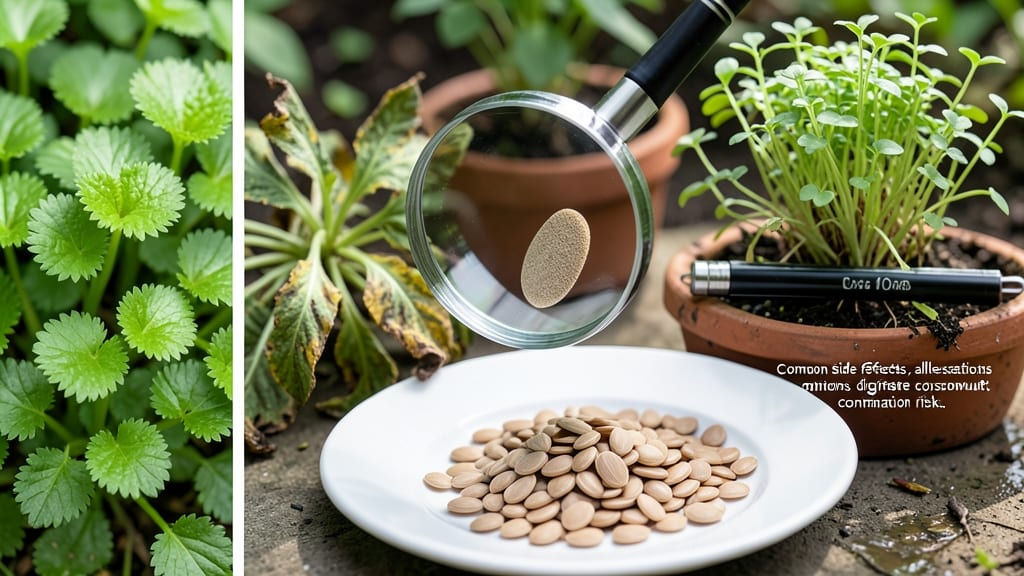
The side effects of garden cress seeds can include mild digestive discomfort like bloating or gas, while overconsumption may provoke allergic reactions or thyroid issues due to their natural goitrogenic compounds. Pregnant individuals should moderate intake to prevent potential hormonal disruptions.
These seeds contain compounds that interfere with iodine absorption, which is critical for thyroid health. 🔥 For most people, occasional consumption poses minimal risk, but those with thyroid conditions or iodine deficiencies should exercise caution.
Cooking or soaking the seeds can reduce goitrogen levels by up to 50%, making them safer for regular consumption. I recommend starting with small amounts—about 1 teaspoon per day—to gauge individual tolerance.
Pregnant women and individuals with autoimmune thyroid disorders should consult a healthcare provider before adding garden cress seeds to their diet. The seeds are nutrient-dense, offering calcium and iron, but their benefits must be weighed against these potential risks.
Always source seeds from reputable suppliers to avoid contamination, which could exacerbate side effects.
💡 In This Article
- Goitrogenic Compounds in Garden Cress Seeds: How They Affect Thyroid Function
- Safe Consumption Guidelines for Garden Cress Seeds: Dosage and Preparation Tips
Goitrogenic compounds in garden cress seeds: how they affect thyroid function
Garden cress seeds contain natural compounds called goitrogens, primarily glucosinolates and thiocyanates, which interfere with iodine uptake in the thyroid gland. These compounds work by inhibiting the enzyme thyroid peroxidase, which is essential for converting iodine into thyroid hormones like thyroxine (T4) and triiodothyronine (T3).
When iodine absorption is blocked, the thyroid may enlarge (goiter) or produce insufficient hormones, leading to hypothyroidism symptoms such as fatigue, weight gain, or cold intolerance.
The goitrogenic effect varies by seed type—garden cress seeds contain about 10-15 mg of goitrogens per 100g, which is moderate compared to raw soybeans (30-50 mg/100g) but higher than flaxseeds (5 mg/100g).
Cooking reduces these compounds by 30-50% because heat breaks down their molecular structure. For example, boiling garden cress seeds for 10-15 minutes can significantly lower their goitrogenic impact while preserving nutrients like calcium and iron.
Individuals with pre-existing thyroid conditions, such as Hashimoto's thyroiditis or Graves' disease, are particularly vulnerable.
These people may experience worsened symptoms like swelling in the neck or hormonal imbalances if they consume large amounts of raw garden cress seeds. 🔥 The body's ability to compensate for goitrogens also depends on iodine status—those with dietary iodine deficiencies are at higher risk of thyroid dysfunction when consuming goitrogen-rich foods.
Pregnant women face additional risks because thyroid hormones play a critical role in fetal brain development. While occasional consumption is unlikely to cause harm, excessive intake could disrupt maternal thyroid function, potentially affecting the baby's neurological development.
The American Thyroid Association recommends pregnant women limit goitrogenic foods unless their diet is well-balanced with iodine-rich sources like iodized salt or seafood.
Interestingly, not all goitrogens are harmful—some may even have protective effects. For instance, indole-3-carbinol, a compound found in cruciferous vegetables (including garden cress), has been studied for its potential anti-cancer properties.
However, the balance between benefits and risks depends on preparation methods and individual health status. Always consult a healthcare provider before making significant dietary changes, especially if you have thyroid concerns.
For most healthy individuals, the thyroid's natural compensatory mechanisms can handle moderate goitrogen intake. The key is moderation—starting with small amounts (like ½ teaspoon daily) and monitoring for any digestive or thyroid-related symptoms.
If you notice swelling in the neck or unexplained fatigue, reducing intake or consulting a doctor is wise.