
Pruning
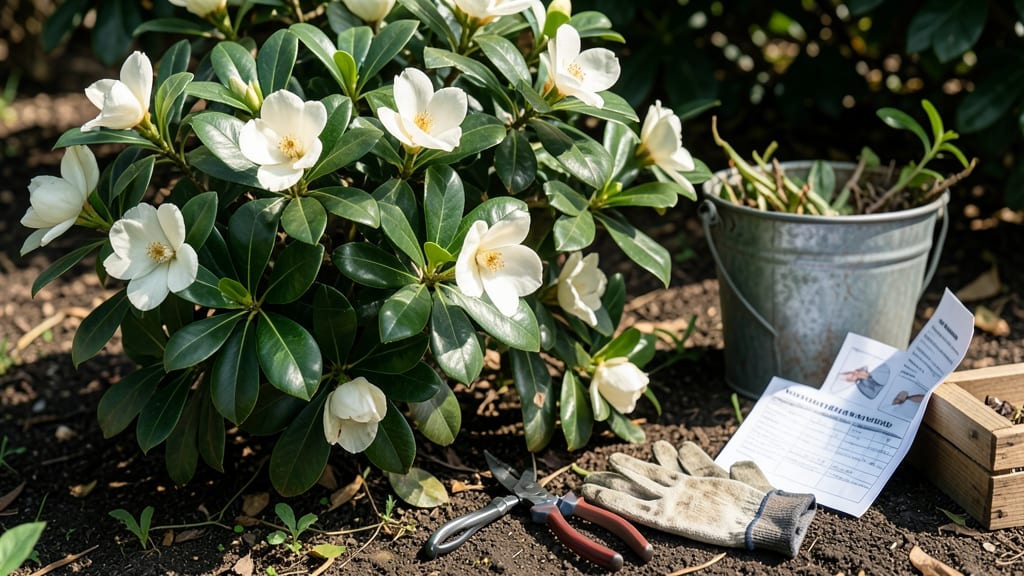
Trimming gardenias at the right time ensures healthier blooms and stronger growth for years to come.
Picture this: you’ve just admired your 🌸 gardenias in full bloom, and now you’re wondering, When’s the best moment to prune? Cut too soon, and you risk stunting next year’s flowers; wait too late, and you might miss the ideal window entirely.
The key is late spring—after the blooms fade but before summer’s heat sets in.
This timing isn’t just about aesthetics; it’s about giving your gardenias the best chance to thrive. In USDA Zones 7-10, where these shrubs love to grow, the late spring window (typically May to early June) aligns perfectly with their natural growth cycle.
Prune at the wrong time, and you could end up with fewer flowers or even stressed plants.
In this guide, I’ll walk you through the exact steps to trim your gardenias for maximum blooms next season, including how to spot the perfect moment and avoid common mistakes that could harm your plant. Let’s get started!
When to trim gardenias: the exact late spring window for optimal growth
Timing is everything when it comes to pruning gardenias. These fragrant shrubs thrive when trimmed after their spring blooms but before the summer heat sets in. I’ve learned the hard way that cutting too early can stunt next year’s flowers, while waiting too long weakens the plant.
The ideal window is late spring, when buds form but flowers have faded—typically May to early June in most regions.
For gardeners in USDA zones 7-11, the exact timing varies slightly. In cooler zones (7-8), aim for late May after the last frost. Warmer zones (9-11) can trim as early as April, but always wait until new growth appears.
The key is balancing post-bloom recovery with pre-summer stress—gardenias hate both.
Here’s how I identify the perfect moment: Look for faded blooms but green buds forming. If you see new leaves sprouting near old wood, it’s your cue.
Pro tip: Avoid trimming when buds are still tightly closed—this signals the plant is preparing for another bloom cycle, and cutting then can reduce flowering.
Regional differences matter. In Zone 9, where summers are long and hot, I trim by mid-May to avoid heat stress. In Zone 7, I wait until June 1st to ensure no late frosts damage fresh cuts.
Always check your local last frost date and add 4-6 weeks to plan your trim.
Don’t rely solely on the calendar—observe your plant. I check for leaf color: healthy gardenias have deep green leaves with no yellowing. If you spot brown leaf edges, it’s a sign of overwatering or stress, and you should delay trimming until the plant recovers.
Also, avoid trimming if your gardenia is under 3 years old—young plants need all their energy for root growth.
One common mistake I see is trimming after summer blooms (which gardenias can produce in warm climates). This is a big no-no—it removes next year’s flower buds.
Always stick to the late spring window unless you’re in a tropical zone (11), where a light trim after summer blooms is acceptable. Even then, keep it minimal.
For container gardenias, timing is even more critical. Potted plants heat up faster and dry out quicker, so I trim 2 weeks earlier than in-ground shrubs.
Move containers to partial shade after trimming to help them recover. Pro tip: Water deeply 3 days before and 3 days after pruning to reduce shock.
Finally, never trim gardenias in fall or winter. This forces the plant into dormancy when it’s trying to recover. If you missed your late spring window, the next best time is early spring (March), but limit cuts to dead or diseased wood only.
Your goal is to shape for airflow, not stimulate new growth.
With the right timing, your gardenias will reward you with double the blooms next season and denser foliage. I’ve seen gardenias go from sparse, leggy shrubs to lush, fragrant bushes in just one year after mastering this technique. The secret? Patience and precision—never rush the process. 🌸
How to prune gardenias for healthier blooms: step-by-step trimming techniques
Pruning your gardenias isn’t just about shaping—it’s a health ritual that ensures vibrant blooms and stronger growth. When done right, you’ll encourage new flower buds while removing dead or weak branches.
But timing and technique matter more than you might think. Let’s dive into the step-by-step process to keep your gardenias thriving.
Start by gathering your tools of the trade: sterilized pruning shears, gardening gloves, and a clean cloth for wiping blades. Sterilization is critical—fungal spores on dirty tools can infect your plant.
Next, focus on selecting branches to trim. Always remove dead or diseased wood first, then shape the shrub by cutting back overcrowded or leggy branches to improve air circulation.
⚠️ callout-warning ⚠️
Now for the cutting technique: always make 45-degree slants just above a leaf node or bud. This angle prevents water from pooling and causing rot. Avoid topping or shearing—these methods create ugly, bushy growth and fewer flowers.
Instead, thin out branches to open the plant’s center for better airflow and sunlight.
If your gardenia looks stressed after pruning, don’t panic. Revive it by giving it extra water and light shade for a few days. Skip fertilizing immediately—new cuts need time to heal.
In 2-3 weeks, you’ll see fresh green growth signaling recovery. For potted gardenias, trim 1/3 of the oldest growth annually to encourage compact, bushier shapes.
Common mistakes include over-trimming (never remove more than 1/3 of the plant) or using dull shears, which tear branches. Always clean your tools with rubbing alcohol between cuts to prevent bacterial spread.
Pro tip: Mark your calendar for next year’s pruning—late spring is your golden window for healthier blooms.
With these techniques, your gardenias will reward you with lush foliage and fragrant blooms for years. Happy pruning! 🌸