
Pests
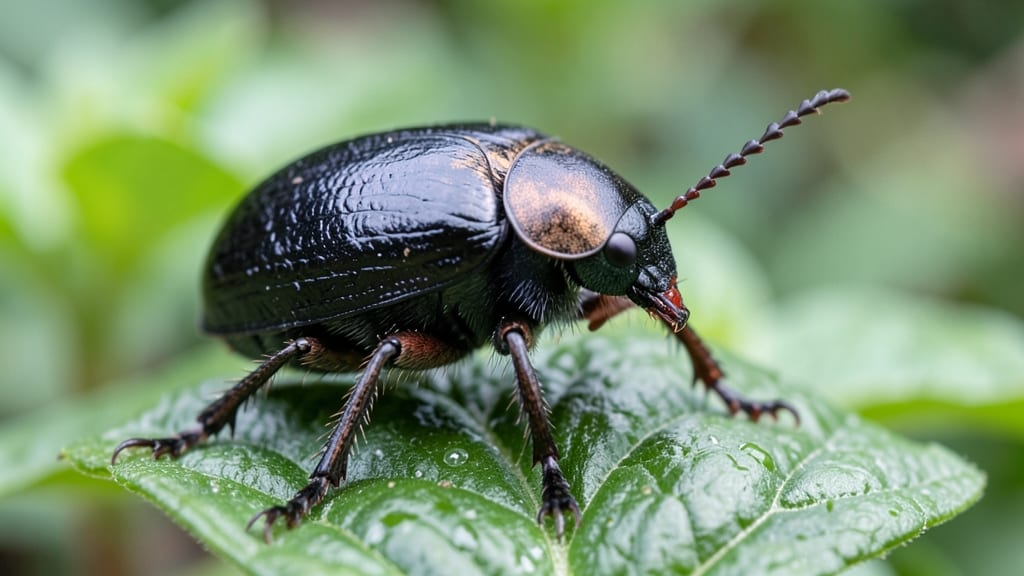
Keeping insects away from your garden doesn’t require harsh chemicals—just the right strategies to create a natural barrier 🌿.
Picture this: You’ve spent hours nurturing your garden, only to wake up to chewed leaves and disappearing produce. The good news? There are effective, chemical-free ways to protect your plants while keeping your garden thriving.
From companion planting to DIY physical barriers, these methods deter pests without harming the ecosystem. You’ll learn which plants repel insects naturally, how to set up simple barriers, and even how to use everyday items to keep bugs at bay.
By the end, you’ll have a garden that’s not just pest-free but also healthier and more resilient—all without the need for toxic sprays.
Top 5 natural barriers to repel insects without chemicals
If you're battling aphids, slugs, or Japanese beetles in your garden, you don't need harsh chemicals to win the fight. Natural barriers offer effective, eco-friendly solutions that protect your plants while supporting beneficial insects and soil health.
These methods work by disrupting pest life cycles, masking plant scents, or creating physical obstacles—all without toxic residues.
The best part? Many of these solutions are low-cost, reusable, and safe for pollinators. Whether you're a beginner or seasoned gardener, integrating these 5 science-backed barriers will give your garden a fighting chance against pests.
Let’s explore what works, how to apply it, and which pests each method targets most effectively.
Below is a detailed comparison of the top 5 natural barriers, including their effectiveness, ease of use, and best applications. Use this as your go-to guide for chemical-free pest control that actually works.
| Method | Effectiveness (1-10) | Best For | How to Apply | Reapplication |
|---|---|---|---|---|
| Neem Oil Spray | 9/10 | Aphids, Whiteflies, Spider Mites, Beetles | Mix 1 tbsp neem oil + 1 tsp mild soap in 1 quart water. Spray foliage (avoid flowering plants). | Every 7-14 days |
| Companion Planting | 8/10 | Tomatoes, Cabbage, Carrots, Peppers | Plant marigolds near tomatoes, basil near peppers, or garlic near carrots. | Seasonal (plant once) |
| Diatomaceous Earth | 7/10 | Slugs, Snails, Crawling Insects | Sprinkle food-grade DE around plant bases (avoid windy days). | After rain or every 2 weeks |
| Physical Barriers (Row Covers) | 9/10 | Cabbage Worms, Flea Beetles, Aphids | Cover seedlings with lightweight fabric; secure edges with soil or stakes. | Remove during pollination |
| Essential Oil Sprays | 8/10 | Ants, Mosquitoes, Soft-Bodied Insects | Mix 10 drops peppermint or citrus oil + 1 tsp soap in 1 quart water. Spray foliage. | Every 5-7 days |
Now that you’ve seen the top 5 natural barriers at a glance, let’s dive deeper into how to implement them for maximum effectiveness. For example, neem oil works by disrupting insect hormones, making it ideal for soft-bodied pests like aphids.
Apply it in the early morning or evening to avoid harming bees, and always mix it with a drop of dish soap to help it stick to leaves.
If you’re dealing with crawling insects like slugs, diatomaceous earth is your best bet—but timing is key. Sprinkle it after watering when the soil is dry, as moisture reduces its effectiveness.
For above-ground pests, consider row covers, which are lightweight and breathable enough for plants to grow while blocking insects entirely.
One of my favorite low-maintenance solutions is companion planting. By strategically placing marigolds near tomatoes or basil near peppers, you confuse pests with mixed scents and attract beneficial predators like ladybugs.
This method also improves soil health and can even boost your harvest. Start small—plant a few pest-repelling flowers around your veggie patch and observe the difference over a few weeks.
For essential oil sprays, focus on peppermint, citrus, or garlic oils, which are particularly effective against ants and mosquitoes. However, avoid spraying during hot afternoons to prevent leaf burn. Always test a small area first, and store your spray in a
How to use companion planting to naturally deter garden pests
Companion planting is one of nature’s best-kept secrets for keeping pests at bay without chemicals. By strategically pairing plants, you create a confusing environment for insects while boosting plant health and yield.
For example, marigolds planted near tomatoes repel nematodes, while basil next to peppers deters whiteflies. The key is understanding which plants work together and why.
This method doesn’t just protect your crops—it also attracts beneficial insects like ladybugs and lacewings, which prey on garden pests. The best part? You’re not just fighting pests; you’re creating a balanced ecosystem that thrives on its own.
Start small with a few proven pairings, and expand as you see what works best in your garden.
- 🌱 Marigolds + Tomatoes – Repels nematodes and aphids while improving tomato flavor
- 🌿 Basil + Peppers – Deters whiteflies and thrips, enhances pepper growth
- 🌻 Nasturtiums + Cucumbers – Traps aphids away from cucumbers, adds edible flowers
- 🌿 Carrots + Onions – Onions deter carrot flies, while carrots improve onion flavor
- 🌿 Lavender + Rosemary – Repels moths and mosquitoes, thrives in same conditions
When designing your garden layout, group plants by their water needs and sunlight requirements first. Then, weave in your pest-deterring companions. For instance, place basil or dill near your tomato plants but ensure they all receive similar sunlight.
Avoid overcrowding—plants need room to grow and air to circulate, which reduces pest attractants like excess moisture.
Another pro tip: Interplant trap crops like radishes or nasturtiums to lure pests away from your main crops. These sacrificial plants are easy to replace and give pests a false target.
For example, radishes planted near cabbage will attract flea beetles, saving your brassicas from damage. Rotate your trap crops seasonally to keep pests guessing.
Companion planting also improves soil health over time. Plants like clover fix nitrogen, while comfrey attracts pollinators and deters pests with its strong scent. Mulch with straw or grass clippings to retain moisture and suppress weeds, which further reduces pest habitats.
The more diverse your garden, the harder it is for pests to establish themselves.
Start with 2-3 proven pairings this season and observe the results. Keep a garden journal to track which combinations work best in your climate. Over time, you’ll develop a custom pest-deterring system that requires minimal intervention.
The goal isn’t perfection—it’s creating a garden where plants support each other naturally, just as they would in the wild.