
Fertilization
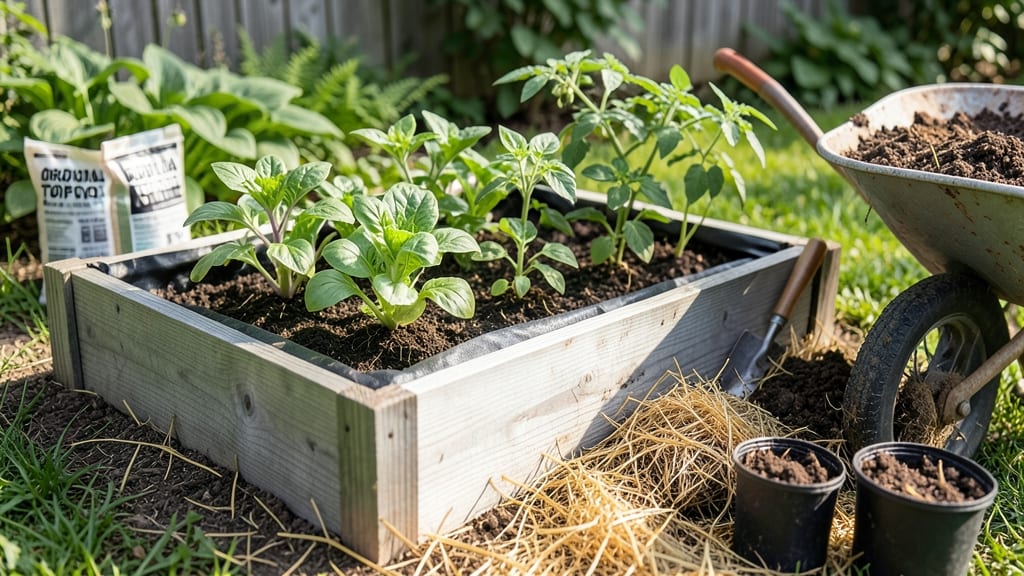
You can use garden soil in raised beds, but it often needs amending due to potential weed seeds, disease risks, and poor structure. For best results, blend it with equal parts compost, perlite, and coconut coir to enhance drainage, fertility, and root growth.
Garden soil from your yard may seem convenient, but its heavy clay or compacted texture can suffocate plant roots and limit oxygen flow. 🌱 Many garden soils also harbor dormant weed seeds that’ll sprout in your raised beds, creating extra work.
Instead of relying solely on garden soil, I recommend creating a custom mix—this approach gives you full control over fertility, texture, and moisture retention while preventing unwanted surprises.
For a balanced raised bed blend, combine 60% high-quality topsoil (or garden soil) with 30% compost and 10% perlite or coarse sand to prevent compaction. Adding coconut coir (5-10%) further boosts moisture retention without the risk of weeds or pathogens.
This blend mimics ideal garden conditions while giving plants the space they need to thrive.
💡 In This Article
- Why Garden Soil Fails in Raised Bed Gardens
- Best Soil Mix Recipes for Raised Bed Success
Why garden soil fails in raised bed gardens
Garden soil from your yard often contains compacted layers that restrict root growth and oxygen flow. When you till it, you're essentially breaking up these dense clumps, but they can reform quickly in raised beds, creating a suffocating environment for plant roots.
The ideal raised bed soil should have a loose, crumbly texture—similar to a well-fluffed pillow—allowing roots to spread easily and access nutrients. Garden soil typically fails this test because it's designed for in-ground planting where compaction is less critical.
Another hidden issue is the high concentration of dormant weed seeds. A single shovelful of garden soil can contain thousands of weed seeds, many of which will germinate in your raised beds.
These seeds lie dormant in the soil until disturbed or exposed to moisture and light—conditions that raised beds provide in abundance. 🌱 For example, crabgrass seeds can remain viable for up to 5 years, while pigweed seeds may stay dormant for over 20 years.
This means a single batch of garden soil could turn your pristine raised bed into a weed battleground within weeks.
The nutrient profile of garden soil is often unpredictable. While it may contain organic matter from decomposed leaves or grass clippings, it frequently lacks the balanced micronutrients that raised bed plants need.
Unlike commercial potting mixes, garden soil doesn't include the carefully calibrated blend of nitrogen, phosphorus, and potassium that supports vigorous growth. For instance, a typical garden soil might have a nitrogen-to-phosphorus ratio of 4:1, while many vegetables thrive with a 2:1 ratio.
This imbalance can lead to stunted growth or leafy plants that never produce fruit.
Drainage is another critical failure point. Garden soil often contains high clay content, which can hold too much water and lead to root rot. When saturated, clay particles form tight bonds that trap moisture, creating anaerobic conditions where harmful bacteria thrive.
In contrast, raised bed soil should drain within 30-60 minutes after watering—similar to how a well-draining potting mix behaves. The difference is dramatic: plants in poorly draining garden soil may show wilting leaves or yellowing foliage within days, while those in properly amended raised bed soil remain lush and green.
Pathogens like fungal spores and bacterial agents also lurk in garden soil, posing risks to young seedlings. For example, Pythium root rot thrives in waterlogged garden soil and can devastate raised bed crops within weeks.
While these pathogens may not harm mature plants in the ground, they can wipe out delicate seedlings in raised beds where competition for nutrients is fierce. The solution lies in sterilizing garden soil through baking or using heat-treated compost, but this adds complexity to an otherwise simple gardening task.
Finally, garden soil often lacks the organic matter needed for long-term fertility. While it may contain decomposed plant material, it rarely matches the nutrient density of composted kitchen scraps or aged manure.
For comparison, a typical compost pile can reach temperatures of 130-160°F, breaking down materials into a nutrient-rich humus that garden soil simply can't replicate. This missing organic matter means your plants will need frequent fertilizing, defeating the purpose of creating a self-sustaining raised bed ecosystem.