
Tools
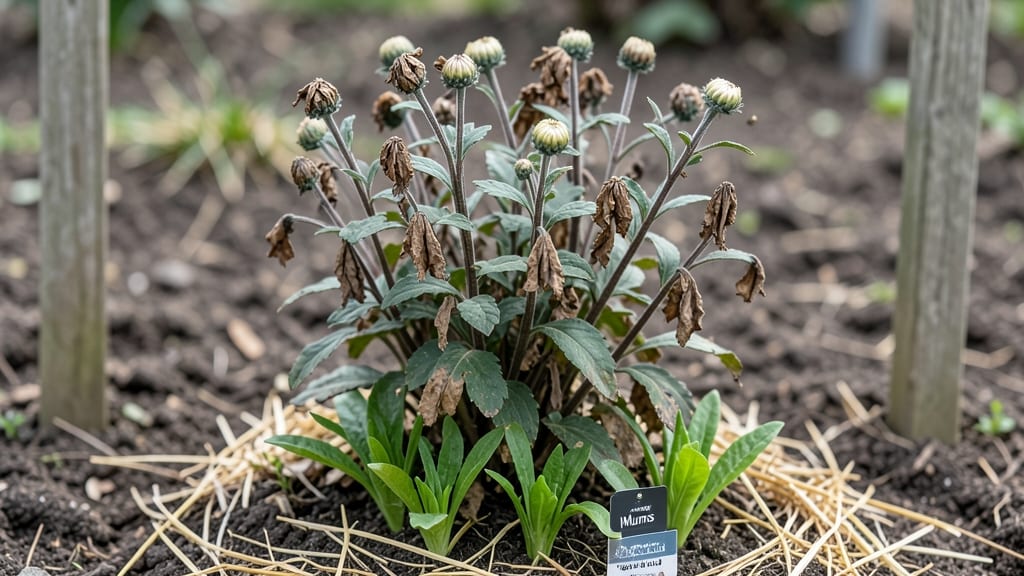
Will garden mums come back? They often won’t unless you provide proper winter protection and ideal growing conditions, as most varieties are sensitive to frost and treated as annuals in colder regions.
Garden mums (Chrysanthemums) are perennial plants, but their ability to return depends entirely on how well they survive winter. Cold temperatures and improper dormancy care cause most to die back permanently, especially in zones with hard freezes. 🌱 The key is protecting their roots from freezing while allowing them to rest—this means cutting back foliage, mulching heavily, and sometimes even moving potted plants indoors.
Without these steps, even healthy plants may not regrow in spring.
What surprises many gardeners is that some varieties—like hardy garden mums—can bounce back with the right care, while others are better suited as annuals. The difference often comes down to soil health and moisture balance during dormancy.
For example, soggy soil in winter can rot roots, while dry conditions stress the plant. I’ve found that mulching with straw or leaves (6-8 inches thick) makes a huge difference in survival rates.
💡 In This Article
- Why Garden Mums Fail to Return Year After Year
- How to Overwinter Garden Mums for Next Season’s Blooms
Why garden mums fail to return year after year
Garden mums (Chrysanthemums) are perennials by nature, but their survival hinges on a delicate balance of temperature and dormancy. When nighttime temperatures drop below 25°F, the plant’s foliage freezes and dies back—a natural process. However, the real issue occurs when the roots also freeze or become waterlogged.
Chrysanthemums store energy in their roots during dormancy, and if these roots are damaged by cold or rot from excess moisture, the plant cannot regenerate in spring. 🌬️
The problem often starts with improper timing. Most garden mums begin their dormancy cycle in late fall, but if you prune them too early (before the first hard frost), they lose their natural protective layer of leaves that insulate the crown.
Conversely, waiting too long—after the ground has frozen—can trap moisture against the roots, creating ideal conditions for fungal diseases like root rot. The sweet spot is cutting back foliage to 2-3 inches above the soil just before the first frost hits.
Soil health plays a critical role too. Chrysanthemums thrive in well-draining soil with a pH between 6.0 and 7.0. Compacted or clay-heavy soils retain too much moisture, while sandy soils dry out too quickly. Both extremes stress the plant during dormancy.
I’ve seen gardeners in humid climates struggle because their mums sit in soggy soil all winter, while those in arid regions face drought stress. The solution? Amend soil with compost or perlite before planting to improve drainage and moisture retention.
Another hidden factor is disease pressure. Fungal pathogens like powdery mildew or leaf spot can weaken plants before winter, making them more vulnerable to cold damage. Overcrowded plants also compete for nutrients, leaving them less resilient.
If your mums looked unhealthy before winter—yellowing leaves, sparse blooms—chances are they lacked the energy reserves to survive dormancy. 🌱
Regional climate matters immensely. In USDA Zone 5 or colder, garden mums rarely return without protection, while in Zone 7-9, they often regrow with minimal care. The transition zone (Zone 6) is the trickiest—just a few degrees can mean the difference between survival and failure.
For example, a 20°F dip might kill unprotected mums in Zone 6, but the same plants thrive in Zone 8 with mild winters.
Finally, don’t overlook the role of light. Even dormant plants need some sunlight to maintain energy stores. If your mums are planted in deep shade, they may not have built up enough reserves to survive winter.
Aim for at least 4-6 hours of sunlight daily during the growing season to ensure robust root systems. 💫