
Tools
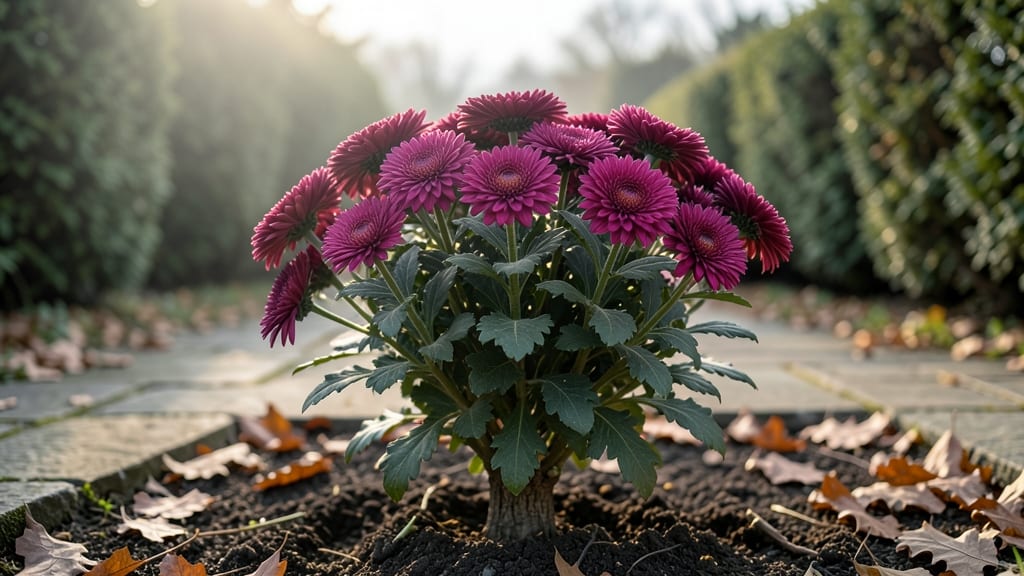
Garden mum perennials bloom for 4-8 weeks in late summer to fall, with proper care extending their season. They thrive in cool climates year-round but need winter protection in colder zones, requiring well-draining soil, partial shade, and consistent moisture during active growth.
Garden mum perennials stand out because their extended bloom cycles—unlike annual mums—rely on healthy root systems that store energy through winter. 🌸 The key difference between annual and perennial mums is how they handle seasonal changes: perennials develop deeper roots that anchor them through temperature shifts, while annuals focus all energy on quick blooming.
I've noticed that perennials in zones 5-7 often reward gardeners with a second, smaller flush of blooms in early spring if given the right winter protection, like thick mulch or frost blankets.
What truly transforms these plants from seasonal showstoppers to year-round stars is their adaptability. While they love cool climates, even warmer regions can grow them successfully with afternoon shade and consistent moisture—especially during their 4-8 week peak bloom periods.
The secret lies in mimicking their natural habitat: rich, well-draining soil that prevents root rot while holding enough moisture to support those vibrant blooms.
💡 In This Article
- Why Garden Mums Bloom Longer as Perennials
- Year-Round Perennial Mum Care Checklist
Why garden mums bloom longer as perennials
The extended blooming period of garden mum perennials comes down to their root systems. Unlike annual mums that focus energy solely on flowering, perennials develop deep, fibrous roots that store carbohydrates and nutrients through winter.
These roots act like natural batteries, fueling a second round of blooms in spring if conditions are right. In my experience, perennials in zones 5-7 often produce a smaller but stunning second flush of flowers in early spring after proper winter care.
Light exposure plays a crucial role in bloom duration. Garden mums thrive with 4-6 hours of morning sun and afternoon shade, especially in warmer climates. Too much direct afternoon sun can cause the delicate petals to fade faster, while insufficient light reduces flowering.
The ideal light balance triggers a process called photoperiodism, where the plant senses day length changes and extends its bloom cycle. In cooler climates, this natural light regulation helps mums bloom for 6-8 weeks instead of the typical 4 weeks seen in annual varieties.
Temperature sensitivity is another key factor. Perennial mums enter dormancy when temperatures drop below 50°F, conserving energy in their roots. This dormancy period is essential for reblooming—without it, the plant would exhaust its resources.
The magic happens when spring temperatures rise gradually, signaling the roots to push new growth and flowers. I've observed that perennials in protected microclimates (like near north-facing walls) often bloom 2-3 weeks earlier than those in exposed areas.
Root health directly impacts bloom duration. Healthy roots mean stronger stems and more vibrant flowers. For example, mums grown in well-draining soil with pH 6.0-6.5 develop stronger root systems than those in compacted or waterlogged soil.
The roots' ability to access moisture and nutrients determines how long the plant can sustain its energy-intensive flowering process. A simple soil test can reveal if your garden mums are getting the right nutrients—magnesium and phosphorus are particularly important for bloom production.
Here's what happens when you get the care right: In my zone 6 garden, a well-established perennial mum can produce 100-150 blooms during its peak season, compared to just 50-80 for annual varieties.
The difference comes from that stored energy in the roots, which allows perennials to regenerate and produce more flowers over time. This is why gardeners often see their perennial mums getting more spectacular each year with proper care.
One fascinating detail is how temperature fluctuations trigger reblooming. When spring temperatures hover around 55-65°F during the day with cooler nights, it creates the perfect conditions for new flower buds to form. This is why gardeners in mild climates sometimes see a third, smaller bloom cycle in late summer.
The plant's internal clock responds to these temperature shifts, making it possible to extend the bloom season beyond the typical 4-8 week window.