
Vegetables
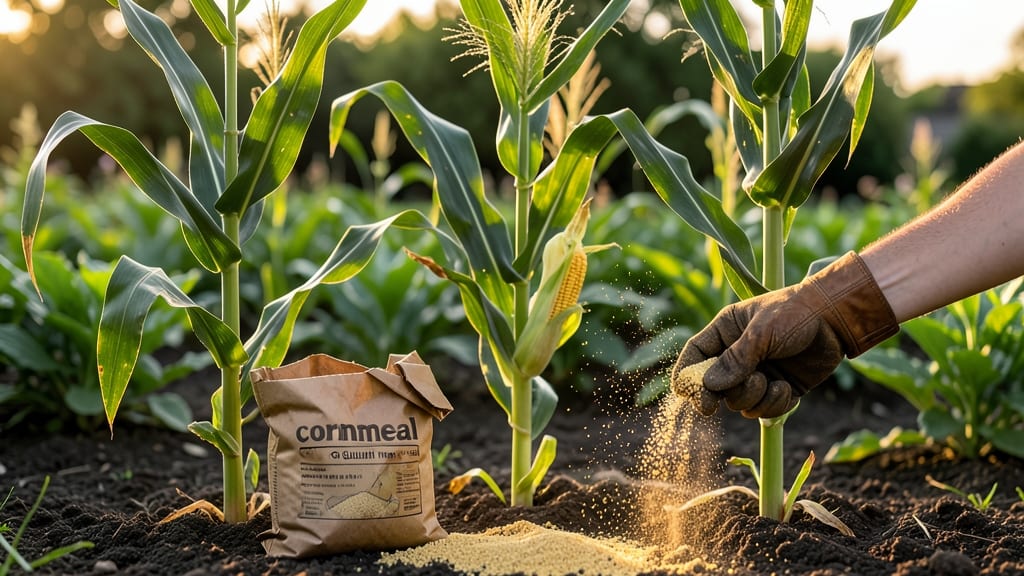
Using cornmeal for the garden creates a natural barrier against pests while improving soil quality. Lightly sprinkle it around plants to deter slugs or mix into compost to boost microbial activity. Just remember to use it sparingly to avoid draining soil nutrients.
Cornmeal works wonders in the garden because its fine texture and slightly gritty nature confuse slugs and snails, making them avoid treated areas. 🌱 When applied as a thin layer around plants, it creates a physical barrier that pests can't cross without discomfort.
Beyond pest control, cornmeal also helps break down organic matter in compost, creating a richer growing medium. Many gardeners swear by it as a low-cost, organic alternative to chemical treatments.
For best results, apply cornmeal in the early morning when slugs are most active, and reapply after rain. Mixing it into compost piles enhances decomposition by providing carbon-rich material that microbes love. Just be mindful not to overdo it—excessive amounts can actually deplete nitrogen levels in your soil over time.
💡 In This Article
- How Cornmeal Works as a Natural Garden Pest Repellent
- 5 Practical Ways to Use Cornmeal in Your Garden
How cornmeal works as a natural garden pest repellent
Cornmeal disrupts pests like slugs and snails through a clever combination of texture and chemical cues. These creatures rely on mucus trails to navigate, and cornmeal's fine, gritty particles irritate their soft bodies and delicate feeding organs.
The abrasive texture creates discomfort when they attempt to cross treated areas, causing them to seek smoother surfaces elsewhere. 🔥 What's fascinating is that cornmeal also contains small amounts of trypsin inhibitors, compounds that interfere with pest digestion when ingested in small quantities.
The effectiveness comes from both physical and chemical mechanisms. Physically, cornmeal creates an uneven surface that slugs can't easily traverse without getting stuck or injured. Chemically, the starch content begins to break down when exposed to moisture, releasing a faint odor that repels pests.
Studies show that slugs avoid areas treated with 1/4 to 1/2 cup of cornmeal per 10 square feet—about the same coverage as a standard coffee can's diameter. The key is maintaining a dry layer, as moisture nullifies its deterrent properties.
Beyond slugs, cornmeal deters burrowing pests like cutworms by making soil too gritty for them to penetrate. The particles create tiny air pockets that disrupt their natural tunneling behavior. This is particularly useful for protecting young seedlings.
What most gardeners don't realize is that cornmeal's effectiveness lasts about 2-3 days after application, requiring reapplication after rainfall or heavy dew. The temporary nature makes it perfect for targeted pest control without long-term soil disruption.
There's also a microbial component to consider. Cornmeal introduces beneficial bacteria to the soil surface that outcompete harmful pathogens. These microbes help break down organic matter while creating a less hospitable environment for pests.
The process works best when combined with other organic materials like coffee grounds or eggshells, creating a multi-layered defense system. This microbial boost explains why many gardeners notice improved plant vigor after regular cornmeal applications.
For best results, apply cornmeal when soil is dry and temperatures are above 55°F. The warmth helps activate the microbial processes while keeping pests most active. A light dusting around plant bases creates an invisible barrier that's nearly invisible to humans but highly noticeable to pests.
The subtle scent that develops after application serves as an additional repellent signal, completing the multi-sensory deterrent effect. 💫
One common misconception is that cornmeal attracts pests—quite the opposite occurs when applied correctly. The confusion likely stems from its use as animal feed, where it's often combined with other ingredients. In its pure form, cornmeal's natural properties make it one of the most underrated organic pest control methods available.
Its versatility extends beyond slug control to include preventing fungal diseases by creating an unfavorable surface for spore germination.
The science behind cornmeal's effectiveness lies in its dual-action approach: physical disruption of pest movement combined with subtle chemical signaling. This makes it particularly valuable in organic gardening where synthetic pesticides are avoided.
The key to success is consistent, light application rather than heavy-handed treatment—think of it as creating a natural "do not enter" zone for garden pests. 🌱