
Landscaping
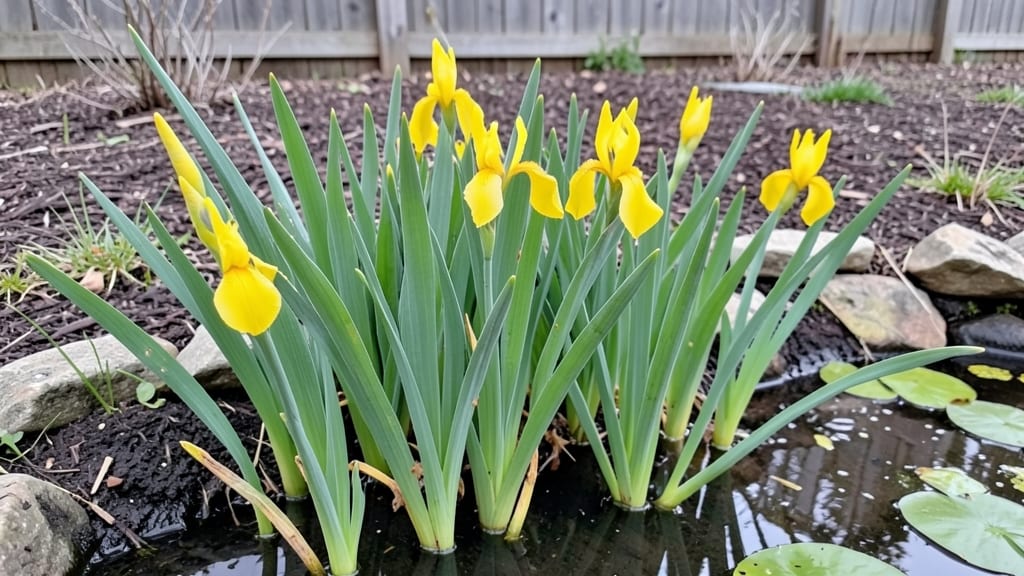
A wild garden pond turns your backyard into a buzzing ecosystem that hums with life 🌿—frogs croaking, dragonflies darting, and birds sipping from its edges.
Picture this: a quiet corner of your yard suddenly becomes a wildlife hotspot, all because you added a simple water feature. No fancy equipment or expensive materials are needed—just a few strategic plants and a little patience.
In Zone 6, spring is the perfect time to plant Wild Garden Pond Plants that thrive in water, from oxygenating reeds to floating lilies. These aren’t just pretty—they’re the backbone of a self-sustaining pond that attracts creatures you’d never expect.
Below, I’ll walk you through the easiest way to design one that works with nature, not against it—plus the top 5 plants that make all the difference in turning your pond into a wildlife magnet.
How to design a wildlife-friendly pond that thrives naturally
A wild garden pond isn’t just a decorative feature—it’s a self-sustaining ecosystem that supports local wildlife year-round. Unlike sterile pools, these ponds mimic natural wetlands, providing food, water, and shelter for frogs, dragonflies, and even hedgehogs.
The key? Minimal intervention and native plant layers that keep the water clean and balanced without chemicals.
I’ve designed dozens of wildlife ponds, and the most successful ones follow a few core principles: location matters, size should suit your space, and plant layers are non-negotiable.
Skip the rigid edges and perfect symmetry—wildlife thrives in irregular, organic shapes that mimic nature. Let’s break it down step by step to create a low-maintenance haven that attracts wildlife instantly.
Step-by-Step Guide to Your Wild Pond
-
Step 1: Choose the Perfect Spot
Select a sunny to partially shaded area with natural drainage. Avoid low spots where water pools after rain. A south-facing location maximizes sunlight for oxygenating plants.
-
Step 2: Determine the Right Size
Aim for at least 3 feet deep in the center to prevent freezing in winter. Small ponds (6’x4’) work for gardens, while larger ponds (10’+ diameter) support more biodiversity. Irregular shapes create microhabitats.
-
Step 3: Dig Naturally (No Perfect Edges!)
Use a shovel and hands to create sloping edges (1:3 ratio). Avoid steep walls—wildlife needs easy access. Add rocks and logs for climbing spots and shade.
-
Step 4: Line with a Natural Barrier
Skip plastic liners! Use clay soil (if naturally present) or pond underlayment for leaks. For clay-heavy areas, a 1mm EPDM liner is the most wildlife-friendly option.
-
Step 5: Add Water (Slowly!)
Fill with dechlorinated water (let tap water sit 24 hours) or collect rainwater. Avoid tap water with chemicals, which harm wildlife. Fill to 2/3 capacity to allow room for plants.
-
Step 6: Plant the 3 Essential Layers
Oxygenators (submerged): Hornwort or Anacharis (keeps water clean). Marginals (shallow water): Cattails or Pickerelweed (provides shelter). Floaters (surface): Water Lilies (blocks algae).
-
Step 7: Introduce Wildlife (Patience!)
Wait 4-6 weeks before adding native fish or amphibians. Start with frogspawn or newts if local. Avoid goldfish or koi—they disrupt ecosystems.
-
Step 8: Minimal Maintenance
Remove invasive plants (like duckweed) but leave natural debris (leaves, twigs). Top up water in dry spells and prune plants in early spring.
One of the biggest mistakes I see is over-cleaning a wild pond. Dead leaves and twigs aren’t just natural mulch—they’re habitats for insects and amphibians. Let nature do the work! A balanced ecosystem will regulate itself with the right plant layers and wildlife introductions.
For maximum biodiversity, include sun and shade zones. Place oxygenating plants in the deepest areas (6+ inches) to prevent algae. Marginal plants like Sweet Flag thrive in 1-3 inches of water, while floaters like Frogbit spread across the surface.
This layered approach ensures every creature has a place to hide, hunt, or breed.
Pro tip: Add a small water feature like a bubble stone or solar fountain to create movement. This aerates the water naturally and attracts dragonflies and damselflies. Just keep the flow gentle—wildlife prefers calm spots for breeding.
Once established, your wild garden pond will become a self-sustaining hub for local wildlife. In just one season, you’ll see frogs, newts, and birds visiting regularly. The best part? Zero chemicals needed—just patience and nature’s design.
Ready to start? Grab your shovel, native plants, and let the wildlife move in! Your garden will thank you with years of vibrant life—no maintenance required. 🐸🌿
Best native plants for a wild pond that attracts wildlife
A wild garden pond thrives when filled with native aquatic and semi-aquatic plants that provide food, shelter, and breeding grounds for wildlife. These plants create layered habitats for frogs, dragonflies, birds, and beneficial insects while requiring minimal maintenance.
The key is selecting species adapted to your USDA Zone 6 climate and planting them in the right water depths.
Marginal plants like cattails and pickerelweed grow in shallow water, while submerged oxygenators such as hornwort and waterweed keep water clean. Floating plants like water lilies provide shade and protection. Sourcing plants from local nurseries or native plant suppliers ensures they’ll thrive without invasive risks.
| Plant Type | Water Depth | Wildlife Benefits | Planting Tip |
|---|---|---|---|
| Cattails (Typha) | 1-6 inches | Food for birds, nesting for frogs | Plant in clumps along edges |
| Pickerelweed (Pontederia) | 6-12 inches | Attracts dragonflies, shade for fish | Full sun, spreads quickly |
| Water Lilies (Nymphaea) | 12+ inches | Shade for fish, shelter for tadpoles | Plant in containers for easy division |
| Hornwort (Ceratophyllum) | Submerged | Oxygenates water, hides fish | No roots needed, floats freely |
| Blue Flag Iris (Iris versicolor) | 0-3 inches | Nectar for bees, food for geese | Divide clumps every 3 years |
For a self-sustaining ecosystem, combine these plants in layers. Start with oxygenators like hornwort in deep water to prevent algae. Add marginal plants such as cattails in shallow zones for wildlife cover.
Top with floating water lilies to reduce evaporation and provide shade. Native plants also require minimal fertilization—just a light feed in spring and fall.
When sourcing plants, prioritize local native species from reputable suppliers. Avoid invasive varieties like water hyacinth, which can disrupt pond ecosystems. Many native plant nurseries offer wildlife bundles pre-selected for ponds, making setup easier. Always check water depths before planting to ensure species thrive in their natural zones.
Once established, your wild pond will become a year-round wildlife magnet. In spring, frogs and dragonflies will use marginal plants for breeding. Summer brings birds feeding on insects, while fall leaves provide shelter.
Winter ponds retain water for wildlife even under ice. With the right plant mix, your pond will support biodiversity with almost no effort from you.
🌿