
Tools
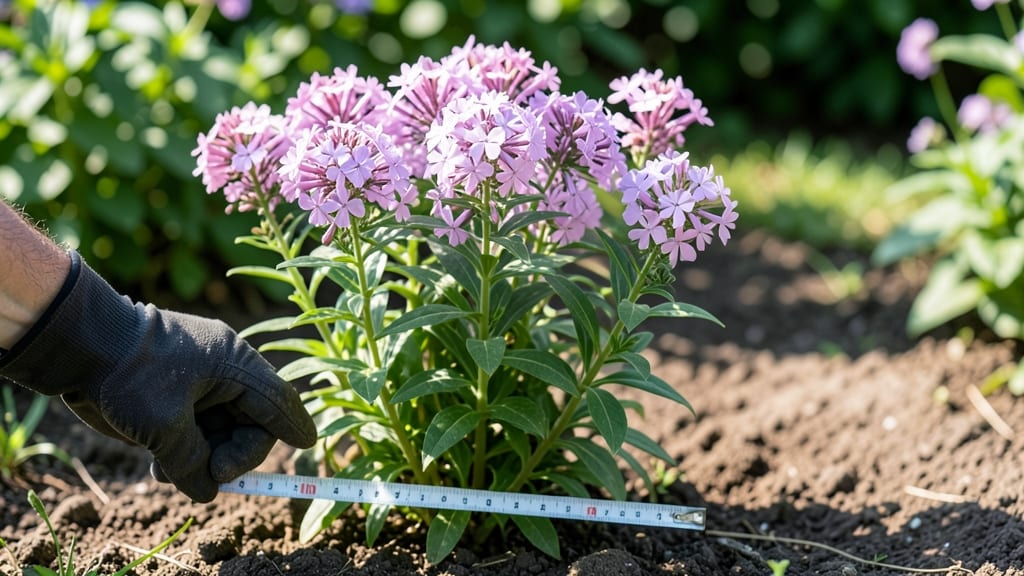
Yes, garden phlox spreads primarily through self-seeding and underground rhizomes, creating dense clusters over time. Most varieties expand 12-24 inches annually, though some stay clump-forming. Strategic deadheading and division control its spread while maintaining blooms.
Garden phlox multiplies in two key ways: through seeds that drop naturally and through creeping root systems called rhizomes. 🌱 The self-seeding habit means new plants pop up where old ones fade, while the rhizomes expand outward, filling gaps in your garden bed.
Some varieties like Phlox paniculata (summer phlox) grow aggressively, while others like Phlox subulata (moss phlox) stay more compact. Understanding these growth patterns helps you plan where to plant and how to manage them long-term.
For example, if you want to keep phlox contained in a specific area, dividing the clumps every 3-4 years prevents overcrowding. This also rejuvenates the plant and encourages bigger, healthier blooms.
Meanwhile, deadheading spent flowers regularly reduces the number of seeds that scatter, giving you more control over where new plants appear.
💡 In This Article
- How Garden Phlox Naturally Expands in Gardens
- Best Techniques to Manage Phlox Spread in Landscapes
How garden phlox naturally expands in gardens
Garden phlox spreads primarily through two botanical mechanisms: rhizome expansion and self-seeding. The rhizomes—horizontal underground stems—grow outward at a rate of about 6-12 inches per year, depending on soil quality and sunlight exposure.
These roots develop new shoots at nodes, creating dense clusters. For example, Phlox paniculata (summer phlox) spreads more aggressively than Phlox subulata (moss phlox), which forms tight mats instead of creeping outward. 🌿
The self-seeding process begins when flowers mature and release seeds, which scatter via wind or water. Each seed contains a tiny root system that germinates quickly in moist soil, often within 10-14 days.
This explains why phlox frequently reappears in unexpected garden spots—seeds can travel 3-5 feet from the parent plant. Sunlight triggers seed germination, so phlox thrives in full sun but may spread more slowly in shaded areas where competition for light limits growth.
Soil moisture plays a critical role in rhizome development. Well-drained soil with consistent moisture encourages faster expansion, while drought stress can stunt growth. In my own garden, I’ve noticed Phlox paniculata rhizomes spread 20-24 inches annually in rich, moist soil compared to just 8-12 inches in drier conditions.
The plant’s ability to adapt to different soil types makes it resilient but also means its spread can vary dramatically based on local climate.
Not all phlox varieties spread equally. Phlox drummondii (annual phlox) relies entirely on self-seeding, while perennial types like Phlox maculata (wild blue phlox) spread slowly via rhizomes.
The key difference lies in their growth habits: clump-formers (like Phlox subulata) stay contained, whereas spreading types (like Phlox paniculata) require more management. This distinction helps gardeners choose varieties based on their desired garden layout.
Understanding these growth patterns allows you to predict where phlox will expand. For instance, planting Phlox paniculata near a border will eventually fill the space, while Phlox subulata can be used as a ground cover in rock gardens without overrunning nearby plants.
The plant’s natural expansion is both a benefit—filling gaps—and a challenge—requiring proactive care to maintain garden design. ✨