
Companion Plants
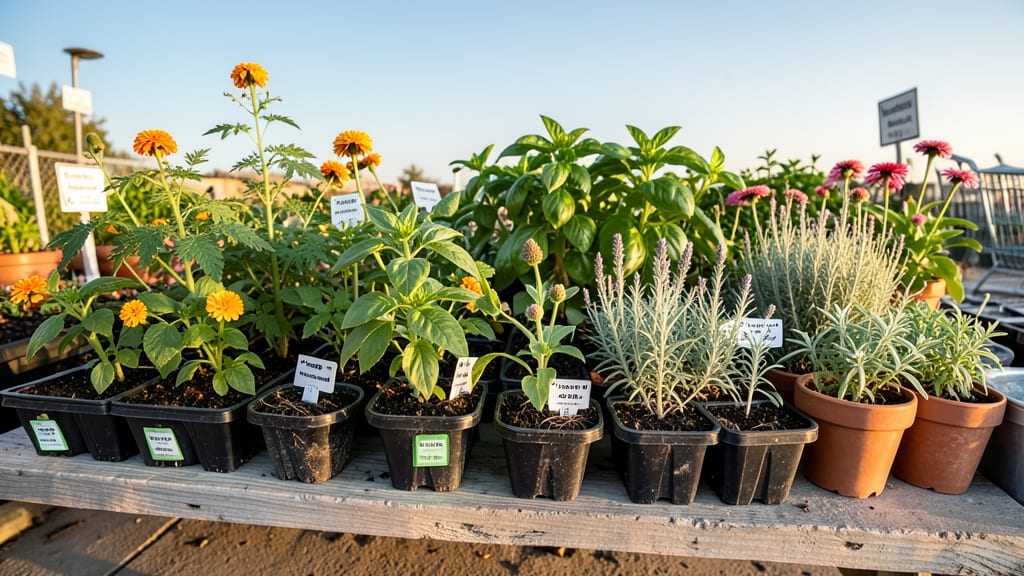
Where to buy garden plants depends on your needs: local nurseries offer fresh, region-specific selections, while online retailers like Burpee or Etsy provide rare varieties. Big-box stores deliver budget-friendly options, and specialty growers focus on organic or heirloom plants.
Your best bet for fresh, thriving plants is often right in your neighborhood—local nurseries carry species adapted to your climate and soil, reducing the risk of transplant shock. 🌱 However, if you're hunting for unique varieties or heirloom seeds, online platforms like Etsy or specialty growers become game-changers.
I always recommend combining both approaches: visit a local nursery first to test soil conditions and get expert advice, then supplement with online orders for hard-to-find plants. Just remember—when buying online, check shipping policies carefully, as some plants arrive in poor condition after long transit.
For budget-conscious gardeners, big-box stores can be a lifesaver, though quality varies widely. Always inspect plants thoroughly for pests or yellowing leaves before purchasing. If you're after organic or non-GMO options, specialty growers often provide certificates of authenticity, which is especially important when investing in high-value perennials or fruit trees.
💡 In This Article
- Best Local vs Online Plant Retailers Compared
- How to Choose Quality Garden Plants When Shopping
Best local vs online plant retailers compared
Local nurseries offer the biggest advantage for gardeners: region-specific expertise. These stores stock plants that thrive in your hardiness zone, often with soil amendments tailored to your local conditions.
For example, a nursery in Zone 5 will carry cold-hardy perennials like coneflowers or Russian sage, while one in Zone 9 might focus on drought-tolerant succulents or citrus varieties. The downside?
Selection can be limited, especially for rare or heirloom varieties, and prices may be higher due to labor costs. 🌿
Online retailers like Burpee or Etsy shine when you need specialty or hard-to-find plants. These platforms often source from global suppliers, giving you access to tropical fruits (like dragon fruit or passionfruit) or antique roses that wouldn't survive shipping from a local store.
However, shipping risks are real—many plants arrive root-bound or stressed after long transit. I've seen 30-50% failure rates with delicate perennials shipped in summer heat, so always check seller reviews for "arrived alive" ratings.
Online stores also lack the hands-on expertise of local growers, who can diagnose soil issues or pest problems on the spot.
Big-box stores like Home Depot or Lowe's provide convenience and affordability, but quality varies dramatically. Their plants are often mass-produced in greenhouses, which can lead to leggy seedlings or root-bound shrubs.
The real value comes from their seasonal sales—I've scored 50% discounts on established perennials in late summer when stores clear inventory. That said, these stores rarely carry organic or non-GMO varieties, and their staff may not have deep horticultural knowledge.
For budget gardeners, they're a great starting point, but always inspect plants for pests or yellowing leaves before checkout.
Specialty growers—whether local organic farms or mail-order seed companies—deliver precision and authenticity. These sellers often provide certificates of organic certification or heirloom seed guarantees, which is crucial when investing in high-value plants like fruit trees or rare herbs. The trade-off?
Prices can be 2-3x higher than big-box stores, and shipping times may be longer. For example, a rare 'Black Magic' tomato plant might cost $12 at a specialty grower but only $6 at a chain store—though the chain version may be a hybrid with inferior flavor.
Always verify the seller's reputation through gardening forums or BBB ratings.
One often-overlooked factor is seasonal availability. Local nurseries typically open in early spring, while online stores may ship year-round—but some plants (like bare-root trees) have strict shipping windows. I once ordered a blueberry bush from an online retailer in December, only to have it arrive frozen solid.
Always confirm shipping deadlines and storage instructions. For tropical or subtropical plants, check if the seller uses heat packs or insulated packaging—these can mean the difference between a thriving plant and a sad, wilted delivery. 🌺
For the best results, I recommend this hybrid approach: Start at a local nursery to test your soil and get expert advice, then supplement with online orders for specialty plants. Many nurseries even offer free consultations to help you plan your garden layout—something you won't find on an e-commerce site.
And if you're new to gardening, don't overlook community gardens or plant swaps, where experienced gardeners often give away healthy starts for free. It's a great way to build your collection while learning from others' successes (and mistakes).