
Companion Plants
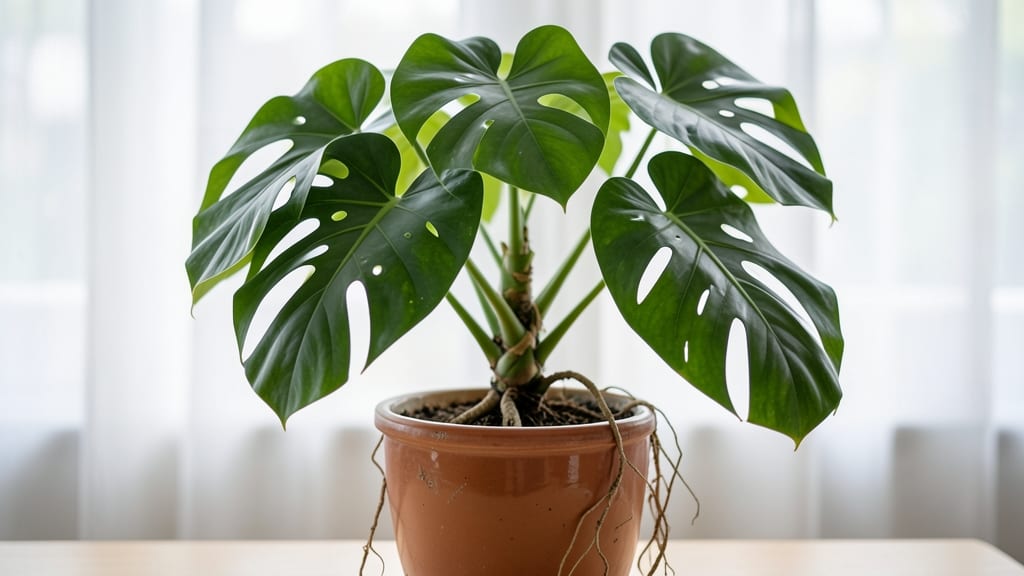
Gardening tropical plants 🌺 means bringing a slice of the rainforest into your home—but without the right humidity, even the hardiest varieties wilt faster than a forgotten houseplant.
Struggling to keep your tropical plants thriving indoors? The secret isn’t just sunlight—it’s mastering humidity levels that mimic their natural rainforest homes. Too dry, and your hibiscus or orchid will start dropping leaves like it’s winter. Too damp, and you risk root rot faster than you can say "fungus gnats."
Here’s the good news: with the right humidity hacks—like pebble trays, strategic misting, or even a DIY greenhouse from a plastic bag—you can transform your living room into a tropical oasis. No fancy equipment needed, just smart adjustments for your specific plants.
Below, I’ll walk you through how to measure humidity, which tropical plants handle dry air best, and the simplest ways to keep your 🌺 thriving year-round, no matter where you live.
How to measure and maintain ideal humidity for tropical plants
Tropical plants crave the lush, steamy conditions of their rainforest origins, but indoor environments often fall short. The ideal humidity range for most tropical species is 40-70%, with some picky varieties like ferns needing closer to 60-80%.
Without proper humidity, you’ll see crispy leaf edges, stunted growth, and even leaf drop—classic signs your plants are thirsty for moisture in the air, not just the soil.
I’ve learned the hard way that measuring humidity is just as critical as watering. A simple hygrometer (digital or analog) can save your plants from silent suffering. These tools are affordable and give you real-time data, so you can adjust before damage appears.
For example, my calathea leaves started curling until I invested in a hygrometer—now I know exactly when to intervene.
Before you rush out to buy one, try these DIY humidity tests to gauge your environment: Place a bowl of water near your plants and check for condensation on the leaves in the morning.
If droplets form regularly, your humidity is likely in the 60-80% range. No droplets? You’re probably below 40%, and it’s time to act.
Different tropical plants have unique humidity needs, so grouping them by type is a game-changer. For instance, orchids and ferns love high humidity (60-80%), while monstera and philodendrons can tolerate slightly drier air (40-60%).
Understanding these preferences helps you create microclimates in your home, ensuring each plant thrives without overcompensating for others.
🌿
| Plant Type | Ideal Humidity Range | Low Humidity Symptoms | Quick Fixes |
|---|---|---|---|
| Orchids | 60-80% | Crispy leaf edges, flower buds dropping | Humidity tray or daily misting |
| Ferns | 60-80% | Brown frond tips, curled leaves | Group with other plants, use pebble tray |
| Monstera | 40-60% | Slow growth, yellowing leaves | Rotate near bathroom or kitchen |
| Philodendron | 40-60% | Dry, brittle leaves | Mist leaves 2-3x weekly |
| Calathea | 60-80% | Curling leaves, brown spots | Humidifier or terrarium setup |
If your hygrometer reads below 40%, don’t panic—there are simple ways to boost humidity without breaking the bank. Start with a pebble tray: Fill a shallow tray with pebbles and water, then place your plant pot on top.
The evaporating water increases moisture around the plant. For orchids or ferns, this method can raise humidity by 10-20% instantly. I keep mine under my calathea and notice a difference within days.
For plants showing crispy leaf edges or yellowing foliage, act fast. Trim the damaged areas with clean scissors and increase humidity immediately. If the problem persists, your plant might be overwatered or underwatered, so check the soil moisture too.
A humidity dome (a clear plastic cover) can also work for seedlings or small tropicals, creating a mini greenhouse effect.
In winter, when indoor air gets dry from heating, I move my tropical collection near the bathroom shower or kitchen sink after cooking. The steam from hot showers or boiling water adds natural humidity.
For larger setups, a small humidifier (even a DIY one made from a bucket of water and a fan) can make a world of difference. Just avoid placing humidifiers too close to plants to prevent mold.
Pro tip: Rotate your plants regularly to ensure even humidity exposure. Plants near windows or vents often dry out faster, so move them around weekly.
I also group my high-humidity lovers (like my calathea and fern collection) together in one corner of my living room, creating a self-sustaining humid microclimate.
💧
10 Humidity-boosting hacks for indoor tropical gardens
Indoor tropical gardens need humidity levels between 40-70% to thrive, but most homes hover around 30-50%. Without proper humidity, your monstera leaves will crisp, ferns will brown, and orchids will refuse to bloom.
The good news? You don’t need expensive equipment—just a few clever tricks to recreate their rainforest environment.
I’ve tested these budget-friendly hacks with my own collection of tropical houseplants, from peace lilies to calatheas. Some take 5 minutes daily, while others require zero effort beyond setup. The key is combining a few methods for maximum impact without turning your home into a swamp.
- 1 Pebble Trays: Place terracotta pots on trays filled with pebbles and water. As water evaporates, it creates a microclimate. Best for: small groups of calatheas or pothos.
- 2 Humidity Domes: Use clear plastic bags or glass cloche covers for delicate plants like orchids. Poke holes for airflow—remove daily to prevent mold.
- 3 Group Plants: Cluster 3-5 tropical plants together to create a self-sustaining humidity zone. My philodendron and bird-of-paradise thrive in this setup.
- 4 DIY Misting: Use a spray bottle with room-temperature water 2x daily. Avoid misting hairy leaves (like peperomias)—it traps dust.
- 5 Shower Steam: Run a hot shower with the door closed and leave your plants inside for 10-15 minutes. Repeat 2x weekly for a natural humidity boost.
- 6 Household Humidifiers: Place a bowl of water near a fan or use a humidifier on low. Bonus: Add pebbles to increase surface area.
- 7 Wet Towel Trick: Drape a damp towel over a plant stand or radiator. Refresh every 2-3 days to maintain moisture.
- 8 Self-Watering Planters: Use wick-based systems where the water reservoir doubles as a humidity source. Ideal for large tropicals like rubber plants.
- 9 Bathroom Retreats: Move sensitive plants to the bathroom during dry months. The steam from showers keeps humidity high with zero effort.
- 10 Ice Cube Method: Place frozen water bottles near plants. As they melt, they release cool, humid air—perfect for large leafy tropicals like monstera deliciosa.
Start with 2-3 methods that fit your lifestyle. For example, I combine pebble trays under my calatheas with weekly shower steam sessions—it’s kept my humidity levels at 60% all winter without buying a humidifier. The key is consistency: daily misting works better than one-time fixes.
Pro tip: Place a hygrometer near your plants to track progress. Aim for 50-60% humidity for most tropicals—you’ll notice shinier