
Planting
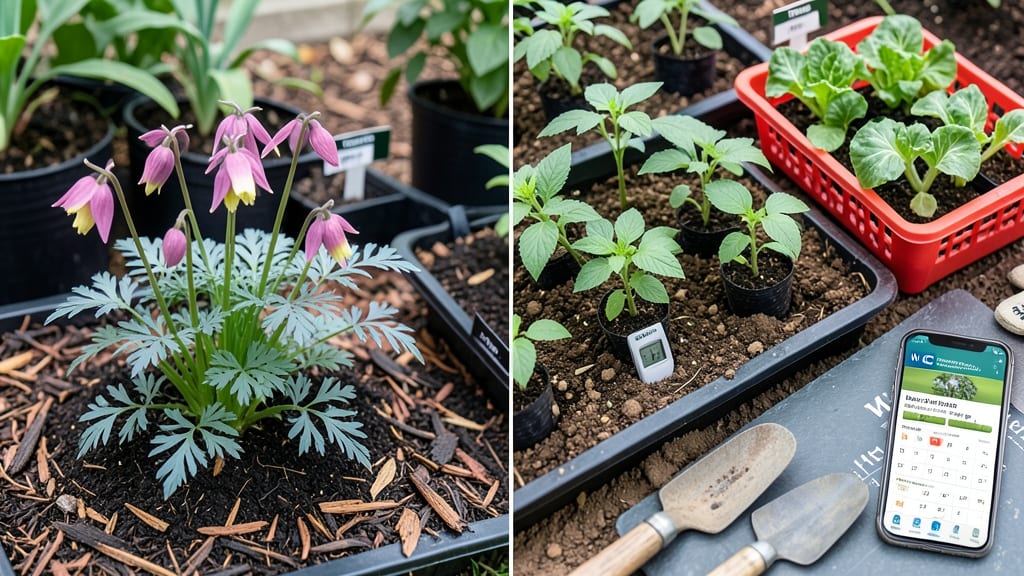
Planting a garden in NC at the right time can mean the difference between a lush harvest and a season of disappointment.
North Carolina’s diverse climate—from the mountains to the coast—means your garden’s success hinges on planting at the perfect time. Get the wrong timing, and you’ll battle pests, stunted growth, or even total crop failure. But master these zone-specific deadlines, and you’ll enjoy a bountiful harvest months ahead of schedule.
Whether you’re in the Piedmont’s 7a zone or the Coastal Plain’s 8a, knowing when to start seeds indoors or transplant seedlings outdoors is the key to faster growth. Miss the window, and you’ll waste time and resources on crops that never thrive.
Below, I break down the exact planting windows for NC’s most popular vegetables and flowers—plus how to adjust for microclimates, soil prep tips, and the fastest-growing crops for your zone.
NC planting zones explained: when to start seeds and transplant by region
North Carolina’s 7a-8b USDA zones create dramatic differences in planting times—from the Coastal Plain’s mild winters to the Mountains’ late springs. Even within 100 miles, your last-frost date can shift by weeks, making zone awareness non-negotiable for success.
I’ve grown tomatoes in Zone 8a Raleigh and struggled with peppers in Zone 7a Asheville—the difference is night-and-day timing.
Your first step? Identify your zone using the NC State Extension’s interactive map. Then, bookmark these exact deadlines for your region.
Cool-season crops like kale and broccoli thrive when planted 4-6 weeks before your last frost, while heat-lovers such as okra and sweet potatoes need soil temps above 65°F to germinate. Let’s break it down by region so you can plant with confidence.
📌 PRO TIP: Use row covers to extend your cool-season window by 2-3 weeks in frost-prone zones like 7a. I’ve added 4 weeks to my spinach season this way!
| Zone & Region | Avg. Last Frost | Cool-Season Start Seeds | Transplant Window | Warm-Season Start Seeds | Heat-Tolerant Adjustments |
|---|---|---|---|---|---|
| 7a (Mountains: Asheville, Boone) | April 15 | March 1 | April 20-May 10 | April 1 (indoors) | Use black plastic mulch for eggplants |
| 7b (Piedmont: Greensboro, Winston-Salem) | March 25 | February 15 | March 25-April 15 | March 15 (indoors) | Plant peppers after May 10 |
| 8a (Coastal Piedmont: Raleigh, Durham) | March 15 | February 1 | March 15-April 5 | March 1 (indoors) | Direct sow cucumbers after April 15 |
| 8b (Coastal Plain: Wilmington, Fayetteville) | February 15 | January 15 | February 20-March 10 | February 1 (indoors) | Sow sweet corn by March 15 |
Notice how Zone 7a gardeners wait until April 20 to transplant tomatoes, while Zone 8b can start as early as February 20? That’s a 6-week difference—enough to miss an entire harvest cycle.
I learned this the hard way when my peppers bolted in Asheville after a late frost in Zone 7a.
For warm-season crops, soil temperature matters more than air temperature. Use a soil thermometer—most seeds need 60-70°F to germinate. In Zone 8b, I’ve seen okra seeds sprout in March when soil hits 70°F, but the same seeds fail in Zone 7a until May.
Timing isn’t just about dates; it’s about soil readiness.
Don’t overlook fall planting for cool-season crops. In Zone 7a, I sow spinach and radishes by August 15 for a winter harvest. In Zone 8b, you can stretch this until September 30.
The key? Plant 6-8 weeks before first frost—check your local NC State Extension for exact dates.
🌱 MY TOP MISTAKE: Planting cucumbers too early in Zone 7b. They wilted from 32°F nights. Now I wait until May 10—no more sad, frost-nipped vines!
Protect tender plants with frost cloth if temps dip below 35°F after transplanting. I’ve saved eggplant starts in Zone 8a by covering them for 3 nights during a late-March chill. A little fabric goes a long way for heat-loving crops.
For container gardens, adjust timing by 1-2 weeks earlier
How to adjust planting times for NC’s microclimates (and avoid common mistakes)
North Carolina’s microclimates can turn a thriving garden into a disaster if you don’t adjust planting times. Coastal areas like Wilmington enjoy longer growing seasons, while mountain valleys like Boone face late frosts well into May.
Even urban gardens in Raleigh can have unpredictable heat pockets that confuse planting schedules. Understanding these variations is key to avoiding stunted plants or wasted seeds.
One of the biggest mistakes I see is planting heat-lovers too early in frost-prone valleys or delaying cool-season crops in humid lowlands. For example, tomatoes thrive in 80°F+ soil but will rot if planted before May 15 in the Piedmont.
Meanwhile, spinach bolted in June heat in the Coastal Plain because gardeners didn’t start seeds early enough. The solution? Microclimate-specific adjustments and tools like row covers or cold frames to extend seasons safely.
⚠️ Microclimate Pitfalls to Avoid
- Mountain Valleys: Don’t plant warm crops before May 20—frost can return suddenly. Use black plastic mulch to warm soil faster.
- Coastal Zones: Avoid fall planting of warm crops like peppers—they’ll rot in humid October air. Opt for fast-maturing varieties instead.
- Urban Heat Islands: Containers dry out 3x faster in pavement-heated areas. Water twice daily during 90°F+ weeks.
Pro Tip: Check your local Almanac frost dates but adjust 1-2 weeks later for urban or high-altitude spots.
For high-altitude gardens (e.g., Asheville), start cool-season crops indoors by February 15 to transplant after April 1. In contrast, coastal gardens (e.g., Morehead City) can direct-sow warm-season crops like okra as early as March 20—but protect seedlings with frost cloth until April 15.
The key is soil temperature: Use a soil thermometer to confirm 60°F+ for warm crops and 50°F+ for cool crops before planting.
Row covers and cold frames are game-changers for extending seasons. In Zone 7a valleys, I’ve used floating row covers to plant spinach and kale by March 1 instead of waiting for April 15.
For heat-loving crops in humid lowlands, shade cloth (30-50%) prevents bolting in 95°F+ afternoons. Always remove covers by late May to avoid heat stress in plants.
Timing isn’t just about frost—it’s about pest cycles too. Cabbage worms peak in June-July in the Piedmont, so planting broccoli in August (instead of May) often yields pest-free harvests.
Similarly, squash bugs overwinter in Coastal Plain mulch, so rotate planting spots yearly. Keep a gardening journal to track local pest patterns and adjust planting windows accordingly.
To maximize your NC garden, stagger plantings every 2-3 weeks for continuous harvests. For example, sow bush beans on May 1, May 15, and June 1 in the Mountains to avoid a single overwhelming harvest.
In Coastal Zones, fall lettuce planted August 1, August 15, and September 1 will mature before first frost. Pair this with succession planting of radishes (30 days) between slower carrots (70 days) to optimize space.
Remember: Microclimates aren’t just about elevation—they’re shaped by soil, wind, and nearby water. A garden beside a pond stays cooler and damper, while a south-facing wall can add 10°F of heat.
Use these natural factors to your advantage: Plant heat-lovers near walls and cool-season crops near shade trees. With these adjustments, you’ll outsmart NC’s climate and enjoy bountiful harvests year-round. 🌱