
Blooming
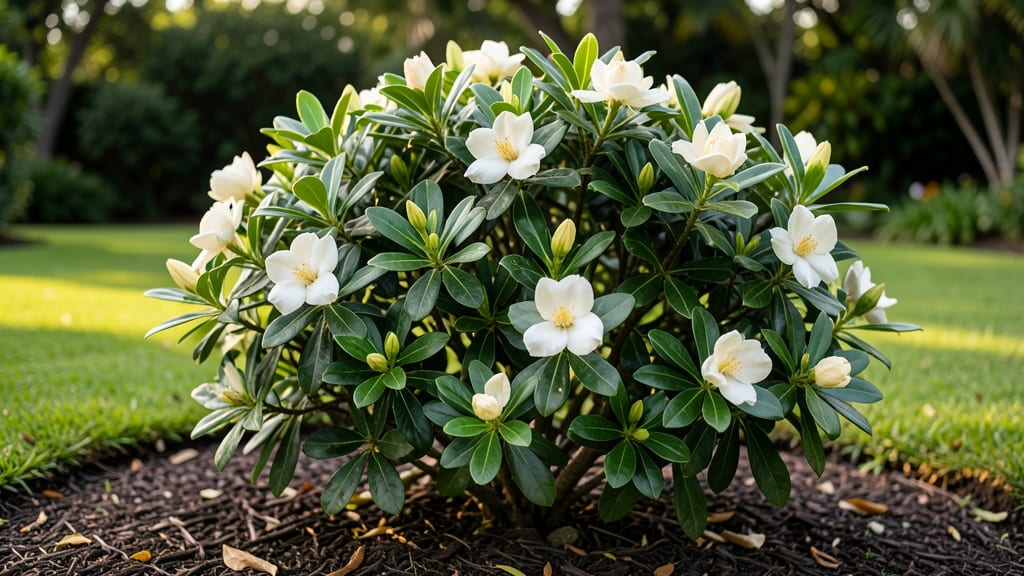
Gardenia bushes bloom in late spring through summer, but the exact timing depends on your climate and variety—some even flower year-round in warmer zones.
Picture this: You’ve waited all winter for that intoxicating gardenia fragrance 🌸, only to find your bush sitting quietly, buds nowhere in sight. The frustration is real, but knowing the right cues—like when to expect blooms in your hardiness zone—can turn that wait into anticipation.
From Zone 7’s first flush in May to Zone 10’s near-constant displays, the blooming window shifts dramatically. Sunlight, pruning, and even fertilizer play a role, and small adjustments can coax earlier or longer flowers.
Here’s the month-by-month breakdown you need to predict blooms, troubleshoot delays, and keep your gardenia putting on its best show—season after season.
Gardenia blooming seasons by US hardiness zones: exact months to expect flowers
If you’ve ever waited patiently for your gardenia bushes to bloom, only to be met with silence from their fragrant lips, you’re not alone. These beloved shrubs thrive in warmth but have very specific timing that shifts dramatically across US hardiness zones.
Understanding these patterns helps you anticipate their showstopping displays—and even encourage earlier blooms with a few simple tweaks.
The ideal blooming window for gardenias typically spans late spring to summer, but zone-specific conditions can stretch or compress this timeline. For example, Zone 7 gardeners might see blooms as early as June, while those in Zone 10 can enjoy flowers year-round.
Temperature fluctuations—like sudden cold snaps or extended heatwaves—can also delay or accelerate their flowering cycles. Let’s break down the exact months to expect blooms in each zone, plus how to adjust care for optimal results.
| USDA Zone | Early Blooms | Peak Blooms | Late Blooms | Climate Notes |
|---|---|---|---|---|
| Zone 7 | Late June | July–August | Early September | Short season; protect from frost |
| Zone 8 | Mid-May | June–July + September | Late October | Two blooming periods |
| Zone 9 | April | May–June + August–September | November | Extended blooming with care |
| Zone 10 | February | March–April + October–November | December (light blooms) | Year-round potential |
| Zone 11 | Year-round | Peak: Spring–Fall | Winter (minimal) | Tropical conditions |
In Zone 7, gardenias are late bloomers, typically waiting until late June to kick off their show. The peak blooming window spans July and August, but a sudden early frost can cut the season short.
To extend their display, mulch heavily in fall and protect them with frost cloth if temperatures dip below 25°F.
Zone 8 gardeners enjoy a unique advantage: two blooming periods. The first wave arrives in mid-May, followed by a summer lull, then a second flush in September.
This bimodal pattern is ideal for continuous fragrance, but it requires consistent moisture and fertilizer. Avoid over-pruning, as this can disrupt the plant’s natural cycle.
For those in Zone 9, blooms begin as early as April, with peak displays in May–June and a second wave in late summer. The key to encouraging these extended blooms is maintaining acidic soil (pH 5.0–6.5) and avoiding water stress.
A light pruning in early spring can also stimulate new growth and more flowers.
In Zone 10, gardenias can bloom year-round, though the heaviest displays occur in spring and fall. The mild winters allow for minimal blooms in December, but summer heat can cause buds to drop if humidity is low.
Increase morning watering during dry spells to keep foliage lush and buds plump.
Gardeners in Zone 11 live in a tropical paradise for gardenias, with continuous blooming possible. However, even here, blooms peak in spring and fall. The high humidity can lead to fungal issues, so ensure proper air circulation and avoid overhead watering.
Choose disease-resistant varieties like ‘Radicans’ for the best results.
Temperature fluctuations can drastically alter** blooming times.
How to trigger earlier or longer gardenia blooms: pruning, light, and care hacks
Gardenias reward patience with their creamy, intoxicating blooms, but their timing often feels like a mystery. The secret to earlier or prolonged flowering lies in understanding how light exposure, pruning timing, and nutrient triggers interact.
Unlike many plants, gardenias respond dramatically to phosphorus-rich fertilizers—the key to coaxing more buds. Let’s unlock the science-backed hacks to extend your gardenia’s bloom season.
Most gardenias bloom in late spring or summer, but their cycle can shift by 4-6 weeks with the right adjustments. For example, Kleim’s Hardy varieties in Zone 8 often produce two bloom cycles—one in spring and another in fall—if given the right care.
The difference between one spectacular show and months of fragrance comes down to three critical factors: when you prune, how you feed them, and where you place them for light.
- 1 Prune after blooming (late summer/early fall) to encourage next year’s buds. Avoid pruning in spring or winter, as this removes flower-forming wood.
- 2 Switch to phosphorus-heavy fertilizer (e.g., 10-20-10) 3 months before desired blooms. Gardenias ignore nitrogen during bud formation—too much delays flowers.
- 3 Move to brighter indirect light in winter (e.g., south-facing window or grow lights). Low light = fewer buds. Potted gardenias often bloom 50% less in dim corners.
- 4 Water deeply but less frequently—soggy soil causes bud drop. Aim for 1 inch of water per week; let the top 2 inches of soil dry between waterings.
- 5 Avoid transplanting during bloom season. Stress from root disturbance can halt bud development for 6-8 weeks. Wait until after flowering to repot or divide.
One of the biggest mistakes gardeners make is pruning at the wrong time. If you cut back gardenias in spring, you’re removing the current year’s flower buds.
Instead, prune lightly in late summer to shape the plant and heavily in early spring (before new growth) to stimulate vigorous branching. For potted gardenias, a 50% root pruning every 2-3 years also boosts blooms by 20-30%.
Light is another underestimated factor. Gardenias in full sun (especially afternoon sun) often scorch and produce fewer flowers. The sweet spot is morning sun + afternoon shade.
In Zone 10+, where gardenias can bloom year-round, dappled shade (like under oak trees) keeps buds forming continuously. For container gardenias, rotate pots quarterly to ensure even light exposure.
Fertilizer timing is non-negotiable for extra blooms. Gardenias ignore nitrogen when it’s time to flower—too much leafy growth means no blooms. Start with a balanced fertilizer (10-10-10) in early spring, then switch to a high-phosphorus formula (like 5-10-5) 8-10 weeks before you want flowers.
For year-round bloomers, feed with phosphorus every 6 weeks instead of stopping in fall.
If your gardenias are skipping blooms entirely, check for these hidden culprits: calcium deficiency (causes bud drop), compacted soil (roots can’t absorb nutrients), or overwatering (which drowns roots).
A simple soil test and gypsum amendment can work wonders. For potted plants, flush the soil annually with water to prevent salt buildup, which blocks nutrient uptake.