
Planting
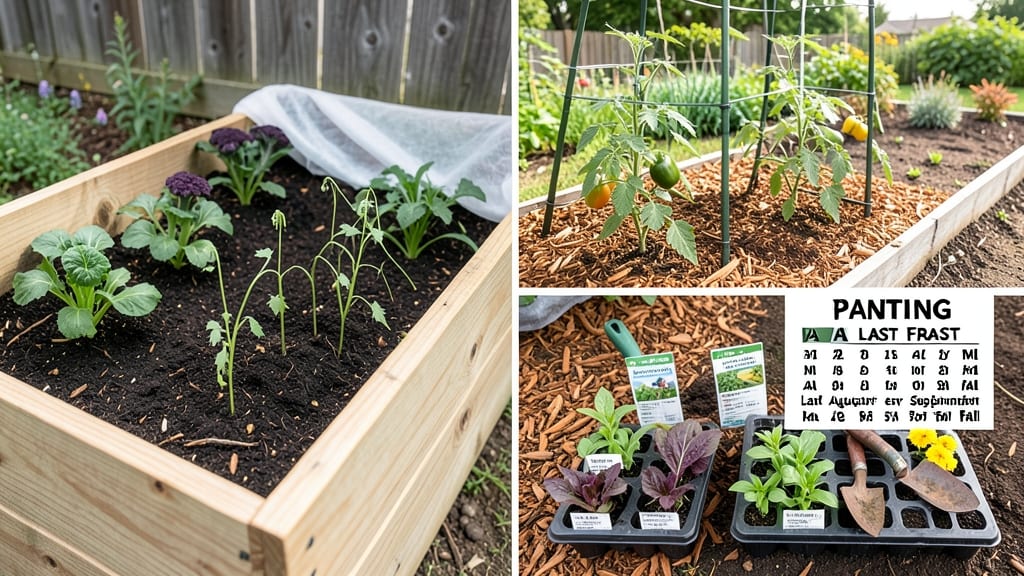
Planting your garden in Pennsylvania at the right time means the difference between a bountiful harvest and a sad, wilted disappointment.
Pennsylvania’s diverse climate—from frosty Pittsburgh to humid Philadelphia—means planting your garden at the wrong time can spell disaster for your crops. Get the exact zone-specific dates to maximize yields and avoid common gardening mistakes.
Timing isn’t just about waiting for spring; it’s about reading your soil, knowing your last frost date, and adjusting for microclimates that can shift planting windows by weeks. Whether you’re growing cool-season greens or heat-loving tomatoes, the right moment makes all the difference.
In this guide, I’ll break down the best planting windows for Pennsylvania’s USDA Zones 5a-7a, share month-by-month schedules, and show you how to stretch your growing season with simple tricks like row covers. Ready to turn your garden dreams into reality?
Pennsylvania planting zones: key dates by hardiness Zone (5a-7a)
Pennsylvania spans USDA hardiness zones 5a through 7a, creating dramatic differences in planting windows from Erie's chilly Zone 5a to Pittsburgh's milder Zone 7a. These zones dictate when to plant cool-season crops like lettuce versus heat-loving tomatoes that need warmer soil.
Getting these dates wrong can mean wilted seedlings or stunted growth—so let's break it down by zone.
Your last spring frost is the critical date for planting warm-season crops, while first fall frost determines when to harvest or protect tender plants. In Zone 5a (Erie), you might lose 30-40 days of growing season compared to Zone 7a (Delaware Valley).
This means timing for tomatoes could vary by 4-6 weeks between northern and southern PA.
Here’s your zone-by-zone planting timeline with exact dates for key crops, including risks of planting too early or late:
| Zone | Last Spring Frost | First Fall Frost | Warm-Season Start (Tomatoes/Peppers) | Cool-Season Window | Fall Planting Deadline |
|---|---|---|---|---|---|
| 5a (Erie) | May 10–15 | Sept 25–Oct 5 | May 20–June 1 (after soil hits 60°F) | March 15–April 30 | Aug 15 (6 weeks before frost) |
| 5b (State College) | May 1–5 | Sept 30–Oct 10 | May 10–May 20 | March 1–April 15 | Aug 20 |
| 6a (Harrisburg) | April 25–May 5 | Oct 5–15 | April 25–May 10 | Feb 15–April 30 | Sept 1 |
| 6b (Lancaster) | April 15–25 | Oct 10–20 | April 15–April 25 | Feb 1–April 15 | Sept 10 |
| 7a (Pittsburgh/Philly) | April 1–10 | Oct 25–Nov 5 | April 1–April 15 | Jan 15–April 30 | Sept 20 |
In Zone 5a, planting tomatoes before May 20 risks frost damage—even if seedlings look healthy. Wait until soil temperatures hit 60°F (use a soil thermometer) to avoid stunted growth. Meanwhile, Zone 7a gardeners can start peppers indoors as early as March 1 for a head start.
For cool-season greens like spinach or kale, Zone 5a has a shorter window—sow by April 30 for a summer harvest before bolting. In Zone 7a, you can plant fall lettuce as late as September 20 and still enjoy fresh greens before frost.
The key is 6-8 weeks before first frost for mature harvests.
Pro tip: Use row covers in Zone 5a-5b to extend your <
Best month-by-month planting schedule for Pennsylvania gardens
Pennsylvania’s spring and fall planting windows are your golden opportunities to grow a thriving garden. Unlike warmer climates, our cool seasons actually offer the best conditions for many crops—think crisp kale, sweet radishes, and hardy asparagus.
But timing is everything: plant too early, and frost will nip your seedlings; wait too long, and summer heat will stress heat-sensitive plants.
I’ve broken down the month-by-month schedule that works across Pennsylvania’s USDA Zones 5a-7a, from the frosty Erie region to the warmer Delaware Valley. Whether you’re starting seeds indoors or sowing directly into the garden, these dates will help you avoid common mistakes and maximize your harvest.
- 1 March: Start cool-season crops indoors (spinach, lettuce, broccoli) and plant asparagus crowns in well-drained soil. Harden off seedlings by late month.
- 2 April: Sow peas, radishes, and potatoes directly outdoors once soil reaches 40°F. Transplant broccoli and cabbage seedlings after last frost (typically mid-April in Zone 6).
- 3 May: Direct-sow warm-season crops like beans, corn, and cucumbers after soil warms to 60°F (usually late May). Transplant tomatoes and peppers after all frost risk passes.
- 4 September: Plant fall kale, carrots, and spinach for a second harvest. Extend seasons with row covers to protect tender crops like lettuce from early frosts.
For perennial crops like asparagus, timing matters just as much. Plant crowns in early spring (March) or early fall (September) for the best root establishment. In Zone 5a, asparagus may take 3 years to produce spears, while Zone 7a gardens can enjoy harvests in 2 years with warmer soils.
Don’t overlook fall planting—September is your last chance to sow cool-season crops for a harvest before winter. Kale, radishes, and turnips thrive in cooler weather and can even sweeten up after frost. Use mulch to protect young plants from early frosts in October.
Pro tip: Check your local last frost date (typically April 15-May 1 for most of PA) and adjust by 2-3 weeks if you’re in a microclimate like a valley or urban heat island.
A simple soil thermometer ($10 at garden centers) will tell you when it’s safe to plant warm-season crops.
With this schedule, you’ll avoid the heartbreak of frost-damaged seedlings or bolting greens and instead enjoy a continuous harvest from spring through fall. Happy planting! 🌱