
Planting
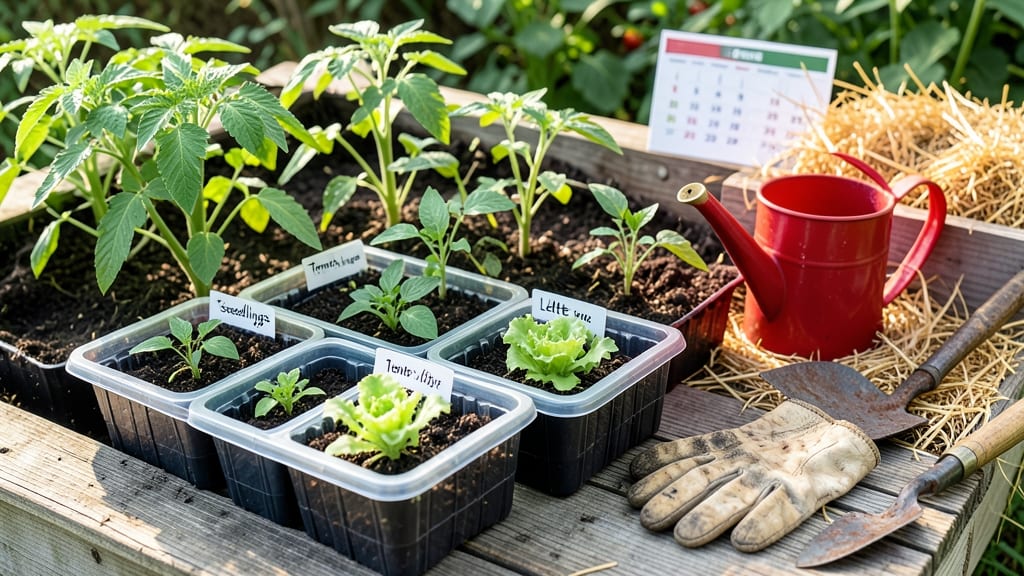
To plant a garden in Virginia at the best possible time, aim for after your last frost date—typically mid-March to early April in most zones, but earlier in the coastal plains.
Virginia’s diverse climate—from the coastal plains to the Appalachian Mountains—means planting times can vary by up to 6 weeks between regions. Get your garden’s timing perfectly right with this USDA zone-specific guide to maximize yields and avoid frost-related failures.
Cool-season crops like spinach and broccoli thrive when planted in early spring or fall, while tomatoes and peppers need warmer soil—wait until late April or May. I’ll break down the ideal windows for each zone, plus pro tips to extend your growing season.
Whether you’re a beginner or a seasoned gardener, this calendar ensures you plant at the right time for healthy, bountiful harvests all year.
Virginia planting calendar by USDA Zone (7a, 7b, 8a, 8b)
Virginia’s gardening success hinges on understanding your USDA zone, which dictates when to plant everything from cool-season greens to heat-loving tomatoes.
Zones 7a and 7b (common in Piedmont and coastal areas) have average last frost dates around March 15–April 1, while 8a and 8b (southwest Virginia) can start planting 2–3 weeks earlier. This calendar aligns planting windows with Virginia’s microclimates to avoid frost damage and maximize harvests.
For cool-season crops like spinach, broccoli, and kale, start seeds indoors in February (Zone 8) or March (Zone 7). Transplant seedlings 2–4 weeks before your last frost date, with Zone 7a gardeners waiting until mid-April and Zone 8b planting as early as late February.
Warm-season staples—tomatoes, peppers, and squash—need soil temperatures above 60°F, so hold off until mid-May in Zone 7a and early April in Zone 8b.
Perennials like asparagus and rhubarb thrive when planted in early spring (March–April), while strawberries benefit from fall planting (September–October) to establish roots before winter. Herbs such as basil and cilantro are warm-season plants—wait until after Memorial Day in cooler zones to avoid frost.
Adjust for early/late varieties: plant ‘Early Girl’ tomatoes in Zone 7a by May 1, but ‘Better Boy’ (longer season) can wait until May 15.
| Zone & Task | Cool-Season Crops | Warm-Season Crops | Perennials | Herbs |
|---|---|---|---|---|
| Zone 7a (Piedmont) | Start seeds: Feb–Mar Transplant: Apr 15–May 1 |
Plant after May 15 (soil 60°F+) |
Plant Mar–Apr or Sep–Oct | Basil: May 20+ Cilantro: Mar–Apr |
| Zone 7b (Coastal) | Start seeds: Jan–Feb Transplant: Mar 20–Apr 10 |
Plant after May 1 | Plant Feb–Mar or Aug–Sep | Basil: May 1+ Cilantro: Feb–Mar |
| Zone 8a (Valley) | Start seeds: Dec–Jan Transplant: Feb 20–Mar 15 |
Plant after Apr 1 | Plant Jan–Feb or Jul–Aug | Basil: Apr 15+ Cilantro: Jan–Feb |
| Zone 8b (SW VA) | Start seeds: Nov–Dec Transplant: Feb 1–Mar 10 |
Plant after Mar 20 | Plant Dec–Jan or Jun–Jul | Basil: Mar 30+ Cilantro: Nov–Dec |
| Key Notes | Spinach: 30–60 days to harvest Broccoli: 60–90 days |
Tomatoes: 70–85 days Peppers: 60–90 days |
Asparagus: 2 years to harvest Rhubarb: 1 year |
Dill: Cool-season Oregano: Perennial |
Use row covers or cold frames to extend your cool-season growing window by 2–4 weeks in Zone 7a. For example, plant
Critical planting mistakes in Virginia gardens (and how to avoid them)
Virginia’s diverse microclimates—from the coastal plains to the mountains—create tricky planting conditions. Many gardeners rush to plant warm-season crops like tomatoes or peppers too early, only to see them wilt from late frosts.
Even experienced growers sometimes ignore localized heat islands in urban areas, which can push planting windows 2 weeks earlier than rural zones.
Another common mistake is misreading frost forecasts. While the average last frost date for Richmond (Zone 7b) is April 15, your specific yard might experience frost 10 days later due to elevation or wind patterns. Without adjustments, your cucumber seedlings could end up as frost-damaged snacks instead of harvests.
⚠️ callout-warning ⚠️
🌡️ 3 Deadly Planting Mistakes & Fixes
- ❌ Planting warm crops too early → ✅ Wait until soil reaches 60°F (use a soil thermometer)
- ❌ Ignoring microclimates → ✅ Test your yard’s frost dates with frost-sensitive plants (like basil) as indicators
- ❌ Skipping succession planting → ✅ Plant lettuce every 2 weeks from March to September for continuous harvests
Pro Tip: Use row covers to extend spring planting by 3-4 weeks in Zones 7a-7b.
Let’s talk urban heat islands. Cities like Norfolk (Zone 8a) can be 5-10°F warmer than surrounding areas, tricking gardeners into planting tomatoes in March when rural gardeners wait until mid-April.
To adapt, monitor your local weather station data and adjust planting dates 1-2 weeks later than official zone guidelines.
For fall planting, many gardeners make the opposite mistake—waiting too long. By mid-September, cool-season crops like kale or radishes need 60 days to mature before the first frost.
Plant broccoli by August 15 in Zone 7b to ensure harvests before November 15. Use cold frames to push harvests into December for hardy greens.
My biggest lesson? Successional planting saves the season. Instead of one big lettuce planting in March, stagger seeds every 2 weeks through July. This ensures you’re always harvesting crisp, pest-free greens while avoiding the bolting that hits all plants at once when days get long.
Finally, don’t trust last year’s notes. Virginia’s climate shifts yearly—2023’s early spring became 2024’s late frost. Bookmark the Virginia Cooperative Extension’s frost maps and adjust your calendar annually. With these tweaks, your garden will thrive year after year, no matter Virginia’s mood swings. 🌱