
Planting
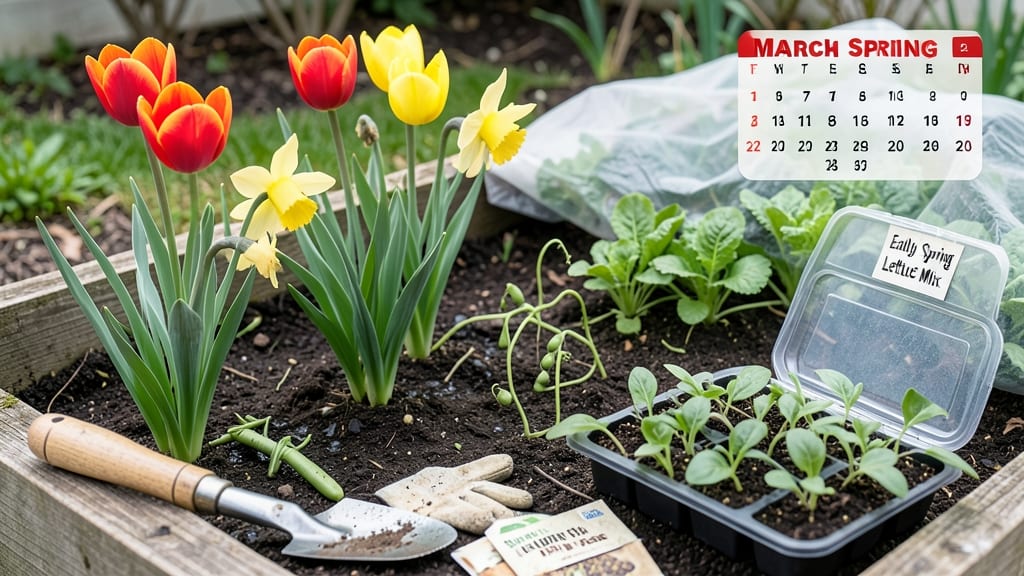
Planting your garden in Pennsylvania at the right time means the difference between a lush harvest and a sad, wilted disappointment.
Pennsylvania’s diverse climate—from the humid Appalachians to the cooler Great Lakes region—means planting your garden at the wrong time can spell disaster for your crops. But get the timing right, and you’ll enjoy a bountiful harvest that rivals any farmer’s market.
In zones 5b-7a, the ideal window for cool-season crops like lettuce and peas opens in late March, while warm-season favorites like tomatoes and peppers wait until mid-May. Fall planting starts again in August, but rushing it risks a frost-killed garden before harvest.
Below, I’ll break down the exact dates for your zone, how to adjust for late frosts or early heat, and which crops thrive when planted just right—so you can skip the guesswork and start digging in with confidence.
Pennsylvania planting zones: key dates by hardiness Zone (5a-7a)
Pennsylvania spans USDA hardiness zones 5a through 7a, creating a patchwork of planting opportunities. The state’s geography—from the Appalachian Mountains to the Delaware River Valley—means your last frost date could vary by 4-6 weeks.
Knowing your exact zone helps you avoid frost damage or stunted growth by planting at the right time.
In Zone 5a (northern PA), average last frost dates hover around May 15, while Zone 7a (southern PA) sees frost-free conditions by April 15. These differences matter when choosing cool-season crops like spinach or warm-season crops like tomatoes.
Microclimates—like urban heat islands or sheltered valleys—can shift these dates by 1-2 weeks.
Below is a zone-by-zone breakdown of key planting dates, including when to start seeds indoors, transplant seedlings, and direct-sow outdoors. Urban gardeners should add 3-5 days to rural timelines due to heat retention in cities.
| Zone | Last Frost Date | Cool-Season Planting Window | Warm-Season Planting Window | Fall Planting Deadline |
|---|---|---|---|---|
| 5a (Erie, State College) | May 15 | March 20–April 15 (indoors) April 30–May 15 (outdoors) |
May 20–June 10 (after soil warms) | August 15–September 1 |
| 5b (Harrisburg, Scranton) | May 1 | March 1–April 1 (indoors) April 15–April 30 (outdoors) |
May 1–May 15 (after soil warms) | August 1–August 15 |
| 6a (Lancaster, Allentown) | April 15 | February 20–March 15 (indoors) April 1–April 15 (outdoors) |
April 20–May 1 (after soil warms) | July 31–August 10 |
| 6b (Reading, Lebanon) | April 1 | February 15–March 1 (indoors) March 20–April 1 (outdoors) |
April 10–April 20 (after soil warms) | July 20–July 31 |
| 7a (Philadelphia, Wilmington) | March 20–April 1 | January 30–February 15 (indoors) March 1–March 15 (outdoors) |
March 20–April 1 (after soil warms) | July 10–July 20 |
For cool-season crops like lettuce, kale, and peas, start seeds 4-6 weeks before your last frost date. In Zone 5a, this means sowing indoors by March 20, while Zone 7a gardeners can begin as early as January 30.
These early starts give seedlings a head start before transplanting outdoors after the frost risk passes.
Warm-season crops—such as tomatoes, peppers, and cucumbers—require soil temperatures above 60°F. Use a soil thermometer to confirm readiness; in Zone 5a, this typically aligns with late May, while Zone 7a can plant by mid-April.
Always wait until nighttime temperatures stay above 50°F to avoid stunted growth.
Fall planting follows a similar logic but works backward from your first frost date.
In Zone 5a, aim to plant by August 15 for a harvest before winter, while Zone 7a extends the window to mid-July. Broccoli, carrots, and spinach thrive in cooler fall temperatures and can be direct-sown until September 1 in most zones.
Urban gardeners should account for heat islands, which can push last frost dates 1-2 weeks later than rural areas. If you’re in Philadelphia or Pittsburgh, check local weather stations for microclimate adjustments. For rural areas, valleys and low-lying spots
Best crops to plant in Pennsylvania by season (and when to avoid them)
Pennsylvania’s short growing season demands strategic planning to maximize yields. Cool-season crops like lettuce and peas thrive in spring and fall, while warm-season favorites like tomatoes and peppers need late starts after the last frost.
Timing is everything—plant too early, and frost will kill tender seedlings; too late, and you’ll miss the harvest window entirely.
My garden in USDA Zone 6b taught me that early potatoes and radishes are the fastest crops to plant in March or April, while late tomatoes and peppers should wait until mid-May.
Even experienced gardeners make mistakes, like planting heat-loving basil before Memorial Day—only to watch it wilt in late spring frosts.
For continuous harvests, I stagger plantings every 2-3 weeks. For example, lettuce planted in March, April, and May ensures fresh greens all summer. Radishes mature in just 30 days, making them perfect for quick succession planting.
Meanwhile, tomatoes need 70-85 days to ripen, so I start seeds indoors in March and transplant after Memorial Day.
Common mistakes? Planting squash too early—it rots in cold soil—or skipping row covers for broccoli in spring, which attracts pests. My biggest lesson? Check soil temperature with a thermometer—50°F+ for warm-season crops, 40°F+ for cool-season ones. If it’s too cold, wait.
Pro tip: Use frost dates from your local Cooperative Extension office (e.g., April 15 in Philly vs. May 1 in Pittsburgh). Adjust planting dates by 2-3 weeks if your microclimate runs colder.
And always save space for fast growers like bush beans and radishes to fill gaps in your garden plan.
With the right timing, Pennsylvania’s short season can yield abundant harvests—just don’t let late frosts or overcrowding ruin your hard work. 🌱