
Planting
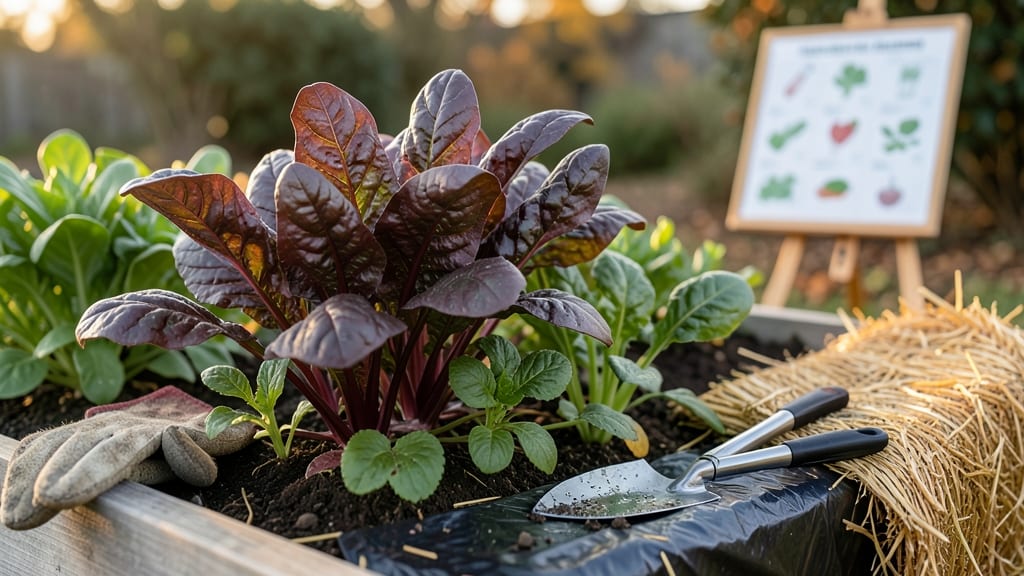
To plant a winter garden in Florida, start between late August and mid-November—this window ensures your 🥬 greens, roots, and herbs thrive before the heat returns.
Florida’s mild winters create a unique opportunity to grow thriving winter gardens—but planting at the wrong time can leave your crops struggling in unexpected heat spikes. Timing is everything when it comes to maximizing yield and avoiding common pitfalls.
Most Florida gardeners focus on September and October for broccoli, carrots, and spinach, but late November can still work for heat-tolerant varieties like mustard greens. The key is matching your crop to the 8a-11 zone’s subtle temperature shifts.
Below, I’ll break down the best planting months by crop, how to prep your soil for Florida’s humidity, and which varieties actually perform well in our short winter season.
Florida winter garden planting calendar: month-by-month heat-tolerant crops guide
Florida’s mild winter temperatures (typically 50-75°F) create a perfect window for growing heat-tolerant winter crops. Unlike northern states, you won’t deal with frost, but unexpected heat spikes can still stress your plants. The key is planting at the right time to avoid bolting or stunted growth.
Most Florida gardeners start their winter garden in September, but the exact timing depends on the crop. Leafy greens like spinach and kale handle cooler temps, while root vegetables like carrots and beets need consistent soil temperatures.
Below, I’ve broken down the best month-by-month planting schedule for Florida’s top winter crops.
Pro Tip: Always check your soil temperature before planting. Most winter crops prefer 60-75°F soil. Use a soil thermometer to avoid mistakes.
| Month | Crop | Ideal Planting Time | Soil Temp (°F) | Heat Tolerance | Harvest Window |
|---|---|---|---|---|---|
| September | Broccoli, Cabbage, Kale | Early Sept (North FL) / Late Sept (South FL) | 65-75°F | Moderate (avoid >80°F) | Nov - Feb |
| October | Carrots, Beets, Spinach | Mid-October | 60-70°F | Low (stress >75°F) | Dec - Mar |
| November | Radishes, Turnips, Lettuce | Early Nov | 55-65°F | Very Low (bolt at 70°F) | Dec - Jan |
| December | Collards, Mustard Greens, Peas | Mid-Dec (South FL) / Jan (North FL) | 50-60°F | High (thrive in cool temps) | Feb - Apr |
| January | Green Onions, Swiss Chard | Late Jan | 55-65°F | Moderate | Mar - Apr |
In September, focus on cool-season brassicas like broccoli and cabbage. These plants handle Florida’s early fall heat better than most. Plant seeds 1/4 inch deep and keep soil moist until germination. Mulch with straw to retain moisture and regulate soil temperature.
By October, temperatures drop slightly, making it ideal for root vegetables. Carrots and beets need loose, well-draining soil to prevent forking. If your soil is heavy clay, mix in compost or sand before planting. Thin seedlings to 2-3 inches apart for optimal growth.
November is perfect for fast-growing greens like radishes and spinach. These crops mature quickly, so succession plant every 2 weeks for a continuous harvest. Use shade cloth if temperatures rise above 70°F to prevent bolting.
Southern Florida gardeners can extend their winter season into December and January with heat-tolerant greens like collards and mustard. These plants actually prefer cooler temps and can handle light frosts. Plant in partial shade to avoid stress from afternoon sun.
For February and March, focus on fast-maturing crops like green onions and Swiss chard. These handle Florida’s warming trends better than lettuce or spinach. If you notice leaves yellowing, it’s often a sign of nutrient deficiency—feed with a balanced fertilizer (5-10-10) to revive growth.
Remember, Florida’s microclimates vary. North Florida (like Gainesville) may experience cooler nights, while South Florida (like Miami) stays warmer. Adjust your planting dates 1-2 weeks earlier in southern regions to avoid heat stress.
🌱
How to adjust planting times for Florida’s microclimates and heat waves
Florida’s winter gardens thrive when you account for its distinct microclimates and sudden heat spikes. North Florida’s cooler highlands (like Gainesville) can drop below 50°F, while South Florida’s Miami stays above 65°F even in December. These variations mean your planting schedule must shift based on location and crop tolerance.
Heat waves in late winter—especially in Central and South Florida—can send temperatures soaring into the 80s°F by February. Crops like lettuce or spinach planted too early may bolt or turn bitter. Adjusting your timeline by 2-4 weeks can mean the difference between a thriving harvest and wasted effort.
- North Florida (Zones 8a-9a): Plant cool-season crops like broccoli and kale by mid-October to avoid early cold snaps.
- Central Florida (Zones 9b-10a): Delay leafy greens until November 1st to prevent bolting from 70°F+ days.
- South Florida (Zones 10b-11): Focus on heat-tolerant varieties like Swiss chard or collards and plant in December for best results.
- Heat Wave Prep: Use shade cloth (30-50%) over sensitive crops during February heat spikes to maintain ideal 60-70°F soil temps.
- Extend Your Season: Apply row covers in January to protect early spring plantings from unexpected cold fronts.
For extended growing seasons, consider season extenders like floating row covers or low tunnels. These tools can push your harvest window by 4-6 weeks in both spring and fall. For example, I’ve used lightweight row covers to grow carrots in January when temperatures dip below 60°F.
Monitor soil temperatures closely—ideal ranges for cool-season crops are 60-70°F. Use a soil thermometer to avoid planting too early when soils are still warm. In South Florida, where soil stays warm year-round, opt for heat-loving varieties like mustard greens or turnips.
Adjust your watering schedule during heat waves—deep watering every 2-3 days in February prevents stress. Mulch with straw or pine needles to retain moisture and regulate soil temperature. I’ve seen 30% higher yields in mulched beds during Florida’s unpredictable winters.
When in doubt, start with fast-maturing crops like radishes (25 days) or bok choy (30 days) to test your adjusted timeline. These act as early indicators of whether your microclimate adjustments are working—or if you need to shift again.