
Planting
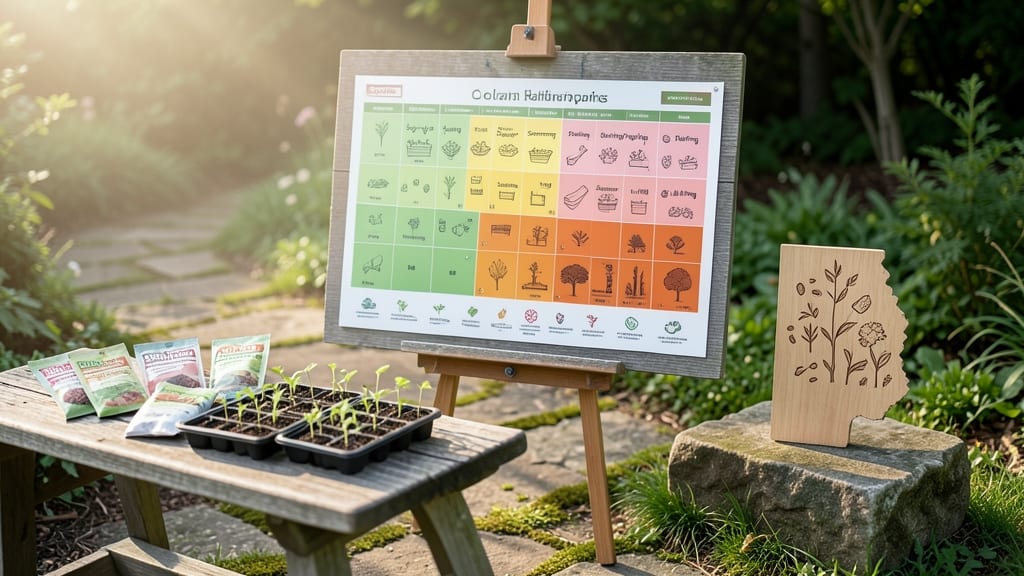
Planting a vegetable garden in Oklahoma at the right time means the difference between a thriving harvest and wasted effort—get the timing wrong, and you risk losing everything to late frosts or blistering summer heat.
If you’ve ever watched your seedlings wilt under a surprise frost or bolt into flower before producing a single edible pod, you know how critical those planting windows can be.
Oklahoma’s diverse climate zones—from 6b in the north to 8a in the south—mean frost dates vary by weeks, and even a few degrees can shift your entire growing season.
This guide breaks down the exact planting windows for your zone, including which cool-season crops like lettuce and peas can handle early spring, and when to wait for the soil to warm up for heat-loving tomatoes and peppers.
We’ll also cover how to stretch your season with row covers and mulch, so you can grow more without guessing.
By the end, you’ll have a clear schedule, a pre-planting checklist, and the confidence to time your garden like a pro—no more second-guessing or lost seeds.
Oklahoma’s last frost dates by plant Hardiness Zone (2024 guide)
Timing your vegetable garden planting in Oklahoma depends heavily on understanding your USDA Hardiness Zone and average last frost dates. Oklahoma spans zones 6b through 8a, where even small shifts in elevation or urban heat can change frost timelines by weeks.
Knowing these dates helps you avoid planting cool-season crops too late or warm-season plants too early, both of which can fail spectacularly.
For example, Zone 6b (northwest Oklahoma) typically sees its last frost around April 15, while Zone 8a (southeastern Oklahoma) might not experience frost until March 1.
These differences matter when choosing between peas and lettuce (cool-season) and tomatoes or peppers (warm-season). Microclimates—like urban areas or valleys—can push these dates even earlier or later.
Here’s the critical data you need to plan your 2024 Oklahoma vegetable garden, including historical trends and microclimate adjustments:
| Zone | Avg. Last Frost | Safe Planting Window | Cool-Season Crops | Warm-Season Crops | Microclimate Note |
|---|---|---|---|---|---|
| 6b (e.g., Woodward, Enid) | April 15 ± 7 days | April 22–May 10 | Peas, spinach, broccoli | Tomatoes, peppers (May 15) | Mountains delay frost 1–2 weeks |
| 7a (e.g., Oklahoma City, Stillwater) | March 31 ± 5 days | April 10–April 25 | Lettuce, kale, radishes | Cucumbers, squash (April 20) | Urban areas warm 2–3°F faster |
| 7b (e.g., Tulsa, Lawton) | March 20 ± 7 days | March 28–April 10 | Onions, cabbage, carrots | Beans, corn (April 5) | Valleys frost 3–5 days later |
| 8a (e.g., Ardmore, Durant) | March 1 ± 10 days | February 20–March 10 | Spinach, peas, broccoli | Melons, okra (March 15) | Early planting possible with row covers |
If you’re in Zone 6b or 7a, hold off on planting warm-season crops until soil temperatures consistently reach 60°F (use a soil thermometer!).
In Zone 8a, you can start cool-season crops as early as February, but watch for late frosts—historical data shows 10% chance of frost in March even in southern Oklahoma.
For microclimates, adjust your timeline by observing local patterns. Urban areas like Oklahoma City can be 2–3°F warmer than rural zones, while mountainous regions (e.g., Arbuckle Mountains) may experience frost 1–2 weeks later.
Use frost cloth or row covers to push your planting window earlier in cooler microclimates.
Historical data from the Oklahoma Mesonet shows that last frost dates have shifted slightly earlier by 3–5 days over the past decade due to climate trends. However, 2024 predictions suggest near-average conditions, so rely on local observations over long-term averages for precision.
Pro tip: Plant cool-season crops like kale or spinach in late summer (August) for a fall harvest, using the same frost date logic in reverse.
For warm-season crops, succession planting every 2 weeks after your last frost date ensures a steady supply of tomatoes, peppers, and squash all summer.
Don’t forget to monitor first frost dates for fall planting—typically October 3
Best planting calendar for Oklahoma vegetables (month-by-month)
Oklahoma’s variable climate—from cool springs to scorching summers—means your planting schedule must adapt. Warm-season crops like tomatoes and peppers thrive in May, while cool-season greens like lettuce and spinach prefer March or September.
I’ve broken down the best times to plant popular Oklahoma vegetables, including succession planting tips to keep your harvests rolling all season.
For northern Oklahoma (Zones 6b-7a), aim for late April to early May for warm-season crops, while southern Oklahoma (Zones 7b-8a) gardeners can start as early as mid-March.
Always check your last frost date—typically March 15-30 in the north and February 15-March 1 in the south—to avoid frost damage. I’ll share month-by-month guidance to maximize your garden’s potential.
- 1 March: Plant cool-season crops like peas, spinach, and lettuce. Start onion sets and potatoes in well-drained soil.
- 2 April: Harden off transplants (tomatoes, peppers, eggplants) and plant after last frost. Sow beans and squash directly into warm soil.
- 3 May-June: Peak planting for tomatoes, peppers, and cucumbers. Succession plant lettuce every 2 weeks for continuous harvests.
- 4 July-August: Plant fall greens (kale, collards) and broccoli for autumn harvests. Avoid planting heat-sensitive crops like cucumbers.
- 5 September: Last chance for warm-season crops like sweet potatoes. Direct-sow carrots and radishes for quick harvests.
For succession planting, focus on fast-maturing crops like radishes (30 days) and bush beans (50 days).
I recommend sowing lettuce every 2 weeks from April through September to avoid bolting. Tomatoes and peppers should be planted in late May to escape early summer’s brutal heat, while squash and cucumbers thrive in June’s warmth.
In southern Oklahoma (Zones 7b-8a), you can extend your season by planting cool-season crops like spinach in October for harvests before the first frost. Use row covers to protect tender greens from unexpected cold snaps.
I’ve found that succession planting every 3 weeks keeps my kitchen stocked with fresh produce year-round.
Remember, Oklahoma’s soil temperatures matter just as much as air temps. Use a soil thermometer—warm-season crops need soil at 60°F or warmer to germinate. For cool-season crops, aim for 40-50°F soil.
Mulching with straw or grass clippings helps regulate soil temps and retain moisture during our dry spells.
Pro tip: Keep a gardening journal to track your planting dates and success rates. Note which varieties perform best in your microclimate—some tomato varieties, like ‘Celebrity’, handle Oklahoma’s heat better than others.
With this calendar, you’ll avoid the common mistakes of planting too early or too late, ensuring a productive garden from spring to fall.