
Planting
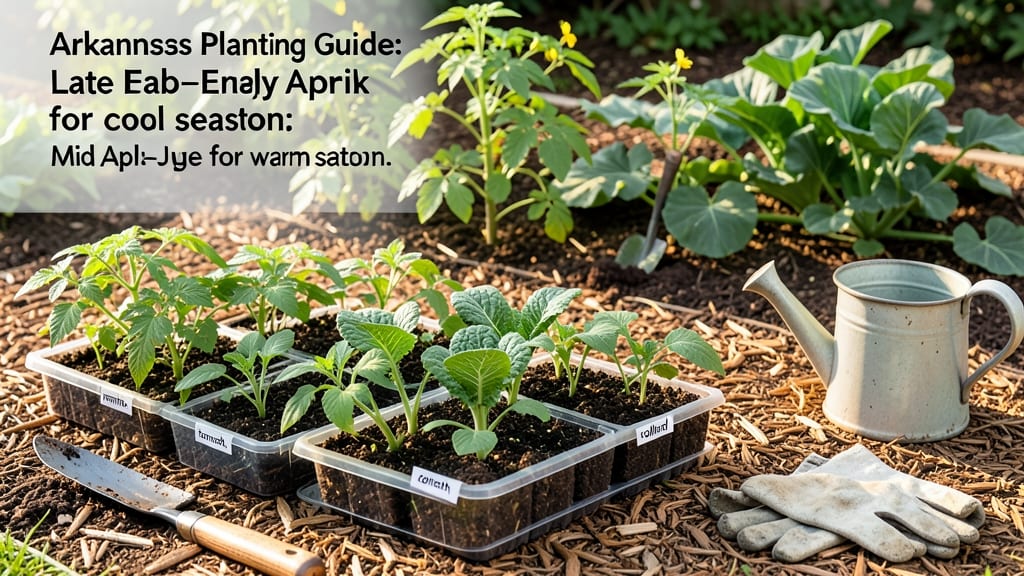
Planting your garden in Arkansas at the right time means the difference between a bumper crop and a sad, wilted mess 🌱 — and the perfect window starts as early as late February for cool-season plants.
Missed planting season in Arkansas? Don’t worry—knowing the exact deadlines for Zones 7a and 8a can save your tomatoes, peppers, and greens from late frosts or scorching heat. Arkansas’ spring weather swings wildly, so timing is everything.
This guide breaks down the ideal planting months for your location, from frost-free dates to soil temperature tricks that work in Arkansas’ humidity. Whether you’re sowing seeds indoors in February or transplanting warm-season crops in May, we’ve got the zone-specific schedule you need.
You’ll learn how to adjust for Arkansas’ microclimates, protect seedlings from unexpected cold snaps, and even stretch your growing season with smart fall planting. Ready to grow like a pro? Let’s get started.
Arkansas planting deadlines by Zone (7a vs 8a) for vegetables, flowers & herbs
Arkansas gardeners face a unique challenge: USDA Zones 7a and 8a bring wildly different planting windows, especially when last frost dates shift between northern and southern regions.
In Zone 7a (north Arkansas), the average last frost falls around March 25, while Zone 8a (south Arkansas) sees frost-free conditions by March 10. These dates determine whether your tomatoes or spinach thrive—or bolt before harvest.
For cool-season crops like lettuce and peas, Zone 7a gardeners can start seeds as early as February 15, while Zone 8a gardeners enjoy a 2-week head start.
Meanwhile, warm-season crops like peppers and basil must wait until soil temperatures hit 60°F+, typically April 15 in 7a and April 1 in 8a. Missing these windows risks stunted growth or total crop failure.
Here’s your zone-specific planting timeline for Arkansas, broken down by crop type and microclimate:
Zone 8a gardeners in southern Arkansas (e.g., Little Rock, Hot Springs) can push spring planting 2–3 weeks earlier than their Zone 7a counterparts in Fayetteville or Rogers. For example, okra and sweet potatoes thrive in Zone 8a’s heat but may struggle in Zone 7a’s cooler summers.
Always check the University of Arkansas Extension for local frost-free date updates, as Arkansas’ microclimates can shift deadlines by 10+ days.
Pro tip: Warm your soil faster in Zone 7a by using black plastic mulch or cold frames to extend the growing season. In Zone 8a, focus on shade cloth for heat-sensitive crops like leafy greens during summer’s peak (July–August).
Both zones benefit from succession planting—sow lettuce every 2 weeks from March to September to avoid gaps.
For herbs like basil, wait until after May 1 in Zone 7a to avoid late frosts, which can kill tender seedlings. In Zone 8a, you can start basil indoors in March and transplant by April 15.
Similarly, peppers need 80°F+ soil, so Zone 7a gardeners should wait until mid-May unless using heat mats.
Don’t overlook fall planting—Arkansas’ mild winters allow cool-season crops to thrive until November 15 in Zone 8a and November 1 in Zone 7a. Spinach and radishes sown in August often produce sweeter harvests than spring plantings.
Use row covers to protect seedlings from unexpected early frosts, especially in Zone 7a’s northern valleys.
Remember: Arkansas’ humidity (avg. 75%+) means fungal diseases like powdery mildew are common. Space plants 12–18 inches apart for airflow, and water at soil level (not overhead) to keep foliage dry.
In Zone 8a’s heat, mulch with straw to retain moisture, while Zone 7a may need extra mulch for winter protection.
Track your garden’s progress with a planting
How to adjust planting dates for Arkansas’ unpredictable weather patterns
Arkansas’ humid subtropical climate throws curveballs with late frosts and sudden heat waves, making traditional planting charts unreliable. I’ve learned the hard way—skipping frost protection for tomato seedlings in April can mean wilted plants by Memorial Day.
The key is flexibility: adjust your schedule based on soil temperature, not just calendar dates.
Start by tracking your local frost-free date—it varies 1-2 weeks across Arkansas’ Zone 7a (north) and Zone 8a (south). Use the University of Arkansas Extension’s frost calendar as your baseline, then add a 2-week buffer for safety.
For example, if their last frost date is March 15, wait until April 1 to plant warm-season crops like peppers and cucumbers.
Leverage Arkansas’ long growing season by succession planting. After harvesting early spring greens like spinach, replant with bush beans or carrots in the same space. This maximizes your harvest window and reduces wasted soil. I’ve added 20% more yield to my garden using this trick!
Don’t forget to harden off seedlings gradually—Arkansas’ sudden wind shifts can shock tender plants. Start by exposing them to 2 hours of outdoor conditions per day, increasing by 1 hour daily for 1 week before transplanting. This builds resilience against late-spring storms.
Finally, keep a gardening journal to track your local microclimate. Note when your soil warms, when frosts hit, and how humidity affects your plants. Over 3 years, I’ve adjusted my planting dates by 10-14 days earlier than the Extension’s averages—just by trusting my own data.