
Planting
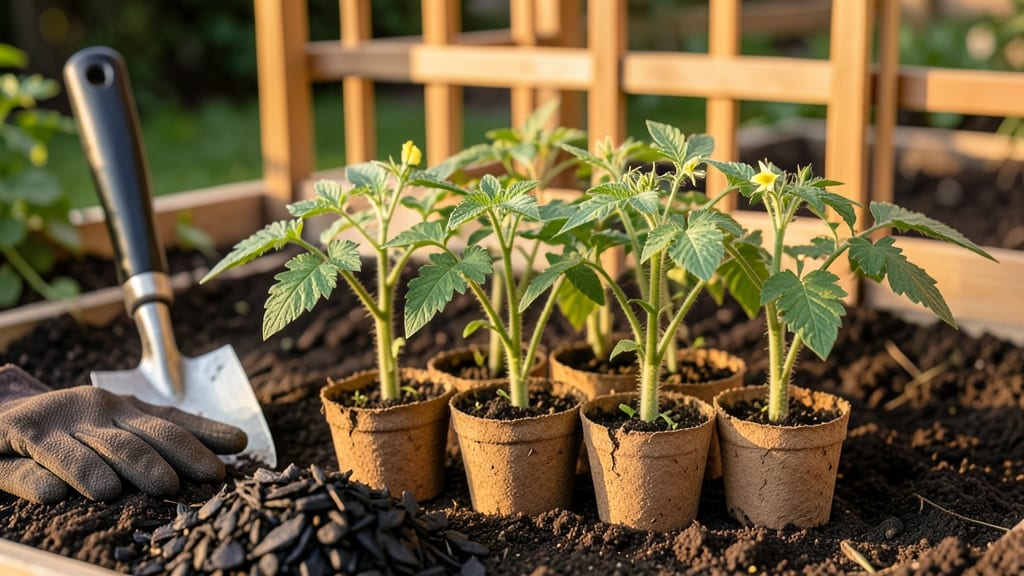
Get it wrong, and you’re staring at leggy, weak plants that bolt in the heat—or worse, seedlings that rot from a surprise frost. I’ve lost three batches to timing mistakes, and trust me, you don’t want to repeat that.
Here’s the real deal: how to use your last frost date and soil temperature to pick the perfect window, plus how to adjust for your microclimate—whether you’re in Zone 6a or a warmer region.
You’ll learn the exact soil temp check that guarantees roots take hold, how to harden off seedlings right, and why planting too early (or too late) sabotages your harvest before it starts.
Ideal soil temperature for planting tomato seedlings (with exact guidelines)
Getting the soil temperature right when planting tomato seedlings is the difference between thriving vines and struggling plants. Tomatoes need warmth to establish roots and grow strong—too cold, and they’ll wilt; too hot, and they’ll stress.
The key is hitting that sweet spot between 50°F and 70°F, with 60°F-70°F being ideal for most varieties.
Why does soil temperature matter so much? Tomato roots struggle to absorb nutrients below 50°F, while temperatures above 85°F can shock seedlings. Even if your last frost date has passed, cold soil will delay growth by weeks. That’s why I always check soil temp—not air temp—before planting.
| Soil Temp Range (°F) | Planting Readiness | Root Activity | Best For |
|---|---|---|---|
| Below 50°F | ❌ Avoid planting | ❄️ Minimal growth | Cold climates with protection |
| 50°F–59°F | ⚠️ Possible with caution | 🐢 Slow root development | Early spring in Zones 5–7 |
| 60°F–70°F | ✅ Ideal planting window | 🌱 Healthy root expansion | Most USDA Zones 8–10 |
| 70°F–85°F | ✅ Safe, but monitor | 💪 Vigorous growth | Southern climates (Zones 9–11) |
| Above 85°F | ⚠️ Risk of stress | 🔥 Root burn possible | Heatwaves—plant early |
Testing soil temperature is easier than you think. A simple soil thermometer (just $10) gives accurate readings in seconds. Stick it 4–6 inches deep—where roots will grow—and wait 30 seconds.
If it’s below 50°F, wait 1–2 weeks. Raised beds warm up faster than in-ground soil, so they’re perfect for cooler climates.
For USDA Zones 3–5, aim for late May or early June when soil hits 60°F. In Zones 6–8, you can plant as early as mid-April if nights stay above 50°F.
Southern gardeners in Zones 9–11 can start in February, but watch for heat stress—mulch helps keep roots cool.
Pro tip: Black plastic mulch raises soil temp by 5–10°F in 24 hours, while straw mulch keeps it stable. If your soil is too cold, try a cold frame or row cover to create a microclimate. I’ve even used clear plastic bottles as mini greenhouses for seedlings in chilly springs!
One common mistake? Planting by air temperature instead of soil temp. A 70°F day can hide 50°F soil—always check below the surface. Heirloom varieties like Brandywine need warmer soil than cherry tomatoes, so research your specific type.
If you’re unsure, harden off seedlings for 2 weeks before planting, even if soil temps are borderline. This toughens them up for 50°F–60°F conditions. And remember: raised beds warm up 2–3 weeks earlier than in-ground soil, giving you a head start in cooler zones.
For container gardening, soil heats up faster—monitor temps closely. If your potting mix feels cool to the touch, delay planting. Slow-growing seedlings in cold soil often recover, but wilting or yellow leaves mean it’s too late. Better to wait a week than risk losing your plants!
Final rule: Plant when soil is 60°F+, not when the calendar says it’s safe. Use a thermometer, adjust for your zone, and watch your tomatoes thrive from day one. Happy planting!
Last frost date vs. soil temperature: the critical timing formula for tomato success
Timing your tomato seedlings perfectly means checking two critical factors: your last frost date and soil temperature. Many gardeners focus only on frost dates, but cold soil can stunt roots even after the last frost.
For example, in Zone 6a, the average last frost is April 15, but soil might still be too chilly for planting.
Soil temperature matters more than air temperature because tomato roots struggle below 50°F. Ideal planting occurs when soil hits 60°F-70°F, signaling roots can absorb nutrients efficiently. This often means waiting 2-4 weeks after your last frost date, depending on your climate.
Cold soil (below 50°F) causes root rot and stunted growth. Even if air temps warm up, soil heats slower. Use a soil thermometer ($10 at garden centers) to check depth (2-3 inches). If soil is below 60°F, delay planting—no exception!
To calculate your perfect planting window, start by finding your last frost date (check the USDA Plant Hardiness Zone Map). Then, add 2-4 weeks to account for soil warming.
For instance, in Zone 5, where last frost averages May 10, soil may not reach 60°F until mid-to-late May.
In colder climates (Zones 3-5), extend your season with row covers or cold frames. These tools raise soil temps by 5-10°F, letting you plant 2-3 weeks earlier.
For example, a low tunnel can push Zone 4 soil to 60°F by early May instead of late May.
Common mistakes include planting based on air temperature alone or ignoring microclimates. A south-facing slope warms faster than a shady spot. Test soil in multiple garden areas—one spot might be ready while another isn’t. Always plant after dark to reduce transplant shock from sun exposure.
Pro tip: Use black plastic mulch or straw mulch to warm soil faster. Lay it down 1-2 weeks before planting to raise temps by 3-5°F.
Pair this with drip irrigation to maintain moisture without cooling the soil. With these adjustments, you’ll avoid the #1 tomato planting mistake—rushing too soon!