
Plants
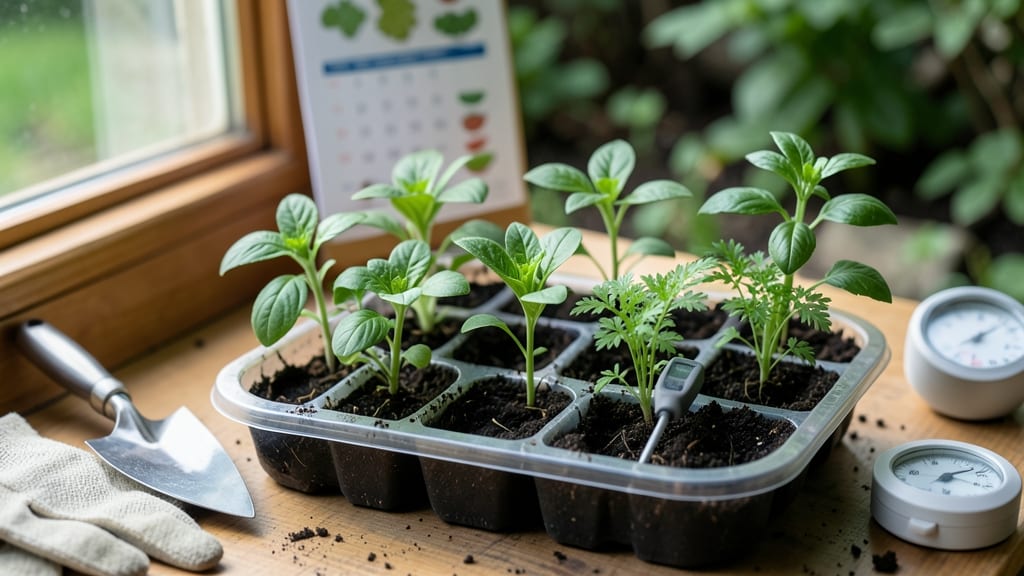
Planting garden plants at the right time means the difference between a bountiful harvest and a sad, withered garden bed — and missing the window can cost you months of effort.
Timing your garden planting wrong can mean the difference between a thriving harvest and wasted seeds—so knowing exactly when to plant in your climate zone is non-negotiable.
In Zone 6a, where spring arrives around mid-April, waiting too long could leave your tomatoes bolting before they ripen, while starting too early risks frost damage to tender seedlings.
Most garden plants thrive when sown after your last frost date, but the rules shift for warm-season crops like peppers and beans, which need soil temperatures above 60°F. Meanwhile, cool-season greens like spinach can handle a light frost and may even prefer it.
The key is matching your plants to your zone’s 165 frost-free days, then adjusting for soil warmth and rainfall patterns.
Below, I break down the exact months for planting by zone, plus pro tips for extending seasons, avoiding common mistakes, and even salvaging a garden if you’ve missed the ideal window. No more guesswork — just a step-by-step guide to get your garden off to the right start.
Climate zone planting calendar: exact months for vegetables, flowers & herbs
Getting your planting schedule right depends on your USDA climate zone, which determines your last frost date and growing window. In Zone 3, for example, you might start cool-season crops like spinach in early May, while Zone 10 gardeners can plant tomatoes year-round with proper care.
Each zone has unique timing for vegetables, flowers, and herbs—and missing these windows can mean stunted growth or crop failure.
For cool-season crops (like broccoli and kale), aim to plant 4-6 weeks before your last frost. Warm-season crops (tomatoes, peppers) need to wait until after the last frost and soil temps hit 60°F.
Perennials and herbs like rosemary often thrive when planted in early spring or fall, avoiding summer heat stress. Let’s break down the exact months for each zone.
| USDA Zone | Last Frost Date | Cool-Season Planting | Warm-Season Planting | Fall Planting Window |
|---|---|---|---|---|
| 3-4 | Mid-May | Early May | Late May-June | Mid-August |
| 5-6 | Mid-April | Late March-April | Early May-June | Early September |
| 7-8 | Mid-March | February-March | March-April | Mid-October |
| 9-10 | None | Year-round (with care) | Year-round (with care) | Year-round (with care) |
*Adjust for microclimates (e.g., urban heat islands may extend warm-season windows by 2-4 weeks.)
In Zones 3-4, where winters are harsh, focus on early spring planting for cold-hardy crops like peas and kale. These zones have shorter growing seasons, so fast-maturing varieties (under 60 days) are ideal.
For example, radishes can be sown as early as late April and harvested by June before summer heat sets in.
Gardeners in Zones 5-6 enjoy a longer window—plant cool-season crops in March-April and warm-season crops like cucumbers and beans after May 15. Fall planting here starts in early September, allowing for a second harvest of lettuce or spinach before frost.
Use row covers to extend the season by 2-3 weeks.
Southern gardeners in Zones 7-10 can plant warm-season crops as early as February and enjoy year-round gardening in Zone 10.
However, even here, heat-sensitive plants like basil may bolt in summer—opt for shade cloth or succession planting to keep yields steady. Herbs like cilantro thrive in cooler months, while rosemary loves the heat.
For container gardening, timing shifts slightly—pots warm up faster, so warm-season crops can go in 2-3 weeks earlier than in-ground plants. Always check seed packets for days to maturity and count backward from your first frost date.
For example, if your first frost is October 15 and tomatoes take 80 days, plant by July 15 for a fall harvest.
Don’t forget about perennials and ornamental plants—many, like lavender or daylilies, should be planted in spring or early fall to establish roots before winter. Bulbs like tulips need 6-8 weeks of chilling, so plant them in fall (October-November in most zones).
Adjust for microclimates: A south-facing wall might extend your growing season by 3-4 weeks.
Pro tip: Use a planting calendar app or local cooperative extension service for zone-specific advice. Even within a zone, elevations and urban heat can shift planting times by 1-2 weeks. For instance, a mountain garden in Zone 6
How to adjust planting times for early/late seasons (and avoid common mistakes)
Adjusting your planting schedule for early or late seasons can double your harvest—but timing wrong risks wilted seedlings or bolting plants. I’ve learned the hard way that frost dates and heat tolerance are just the start.
The real secret lies in season extension tools and succession planting strategies that most gardeners overlook.
For example, in Zone 5, where I garden, planting cool-season crops like spinach in late August gives me a fall harvest before frost. Meanwhile, warm-season crops like tomatoes need to wait until after May 15—or risk blossom end rot from nighttime chills.
The key is reading your microclimate and using protective covers to push boundaries.
Premature Planting Pitfalls
Bolting: When cool-weather crops like lettuce or radishes sense warming soil, they bolt (go to seed) prematurely. Solution: Use shade cloth or plant heat-tolerant varieties like 'Black Seeded Simpson' lettuce.
Frost Damage: Tender seedlings (e.g., peppers, eggplants) wilt if temps drop below 50°F. Solution: Start indoors 6-8 weeks early and use row covers for outdoor hardening.
Poor Germination: Cold, wet soil can prevent seeds from sprouting. Solution: Wait until soil reaches 60°F+ for warm-season crops or use heat mats for early starts.
One of my go-to strategies is succession planting. Instead of sowing all bush beans at once, I plant every 2 weeks from May to July. This ensures a steady harvest and prevents overcrowding.
For slow growers like broccoli, I stagger plantings in early spring and late summer for a fall crop.
Don’t forget row covers—they’re my secret weapon for extending seasons. A floating row cover can add 4-6°F of warmth, letting me plant spinach in early spring or kale in fall without frost damage. Just remove covers during pollination for cucumbers or squash to avoid insect traps.
For late-season adjustments, I rely on cold frames or low tunnels. These let me harvest greens like arugula until December in my Zone 6 garden. The trick is ventilation: crack the lid on warm days to prevent fungal diseases from excess moisture.
Pro tip: Monitor soil temps with a thermometer. Most warm-season crops need 70°F+ soil, while cool-season crops thrive at 50-65°F. Adjust planting dates based on your soil’sPatience pays off—a well-timed planting beats a rushed one every time. 🌱