
Planting
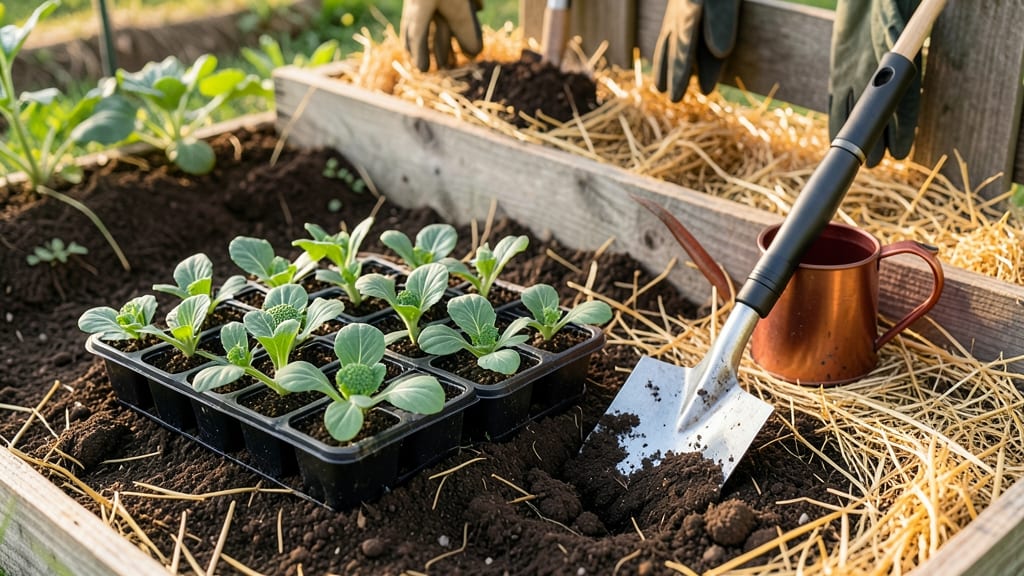
Planting a fall garden in North Carolina requires precise timing to beat the first frost and maximize your harvest before winter takes over.
North Carolina’s warm fall weather creates the perfect window for a bountiful harvest—but planting too early or late can ruin your crops. Timing is everything, and these exact dates by plant type will help you maximize your fall garden’s yield before winter sets in.
If you’ve ever watched your greens bolt in the heat or your broccoli turn bitter before frost, you know how critical the right schedule is. The key is knowing your region’s first-frost dates and matching them to the right cool-season crops.
Below, I’ll break down the best planting windows for NC’s most productive fall vegetables, from leafy greens to root crops, plus soil prep tips to set your garden up for success.
NC fall planting calendar: exact dates for cool-season vegetables by region
North Carolina's fall planting window is one of the most productive times for gardeners, but timing varies dramatically across regions. Coastal areas like Wilmington enjoy later frost dates (mid-November), while mountain zones like Asheville face earlier frosts (mid-October).
These differences mean your broccoli planted in Raleigh might thrive while the same variety in Charlotte struggles if not timed perfectly.
To maximize your harvest, I've broken down the optimal planting dates for NC's four key regions, focusing on cool-season vegetables that thrive in fall's mild temperatures.
The first frost deadline (average Oct 15–Nov 15) determines your last planting window, but some crops like kale and spinach actually sweeten with frost, giving you flexibility.
Here's your region-specific planting schedule with exact dates for leafy greens, root vegetables, and brassicas that will produce until winter:
| Region | Plant Type | Early Planting (Direct Sow) | Late Planting (Transplant) | First Frost Deadline | Notes |
|---|---|---|---|---|---|
| Raleigh (Zone 7b) | Leafy Greens (Spinach, Lettuce) | Aug 15–Sept 15 | Sept 1–Oct 10 | Oct 25 | Use row covers for late harvests |
| Raleigh (Zone 7b) | Brassicas (Broccoli, Kale) | July 15–Aug 15 | Aug 1–Sept 15 | Oct 25 | Choose cold-hardy varieties |
| Charlotte (Zone 7b-8a) | Root Vegetables (Carrots, Beets) | Aug 1–Sept 1 | Sept 15–Oct 5 | Nov 1 | Loosen soil to prevent forking |
| Asheville (Zone 6b-7a) | All Greens (Collards, Mustard) | July 1–Aug 10 | Aug 15–Sept 5 | Oct 15 | Plant in warmest microclimate |
| Coastal (Zone 8a-8b) | Brassicas (Cauliflower, Brussels) | July 15–Aug 30 | Aug 15–Sept 30 | Nov 15 | Extend with cold frames |
For Raleigh gardeners, I recommend starting with fast-maturing varieties like baby spinach (30 days) and radishes (25 days) in late August. These give you an early harvest before cooler temps slow growth.
In Charlotte, where the growing season extends slightly longer, you can push your carrots and beets into early October for a late fall harvest.
The mountain regions like Asheville demand earlier planting. Here, I prioritize cold-hardy crops such as collard greens and mustard greens, which can handle light frosts and even improve in flavor. These should be in the ground by mid-August at the latest to establish
Best fall crops for NC gardens: yield potential and planting tips
Fall gardening in North Carolina offers some of the most rewarding harvests—especially when you focus on high-yield crops that thrive in cooler temperatures. The key is selecting varieties that mature quickly before the first frost (typically October 15–November 15 in most regions).
I’ve tested these top 8 fall crops in my own NC garden, and they consistently deliver the best results when planted at the right time and spaced correctly.
Your soil prep is just as critical as timing. Before planting, amend your beds with 2–3 inches of compost and a balanced fertilizer (10-10-10) to ensure your crops get the nutrients they need. Avoid fresh manure, which can burn tender seedlings.
I also recommend adding a 1-inch layer of mulch after planting to retain moisture and suppress weeds—this is especially important for shallow-rooted crops like radishes and lettuce.
Let’s start with the highest-yielding crops for NC’s fall garden. Kale and broccoli are my top recommendations—they handle light frosts beautifully and keep producing well into December. For kale, plant transplants 4–6 weeks before your first frost date (around mid-September for most of NC).
Space them 12–18 inches apart in rows 24 inches apart to allow airflow and reduce disease risk. Broccoli prefers cooler soil, so wait until late August to early September for transplants, spacing them 18–24 inches apart in rows 30 inches apart.
Root vegetables like carrots and radishes are also fall staples, but they require loose, stone-free soil to grow straight. I’ve had the most success with short, round varieties like ‘Paris Market’ carrots (mature in 60 days) and ‘Cherry Belle’ radishes (ready in 25 days).
Sow seeds directly in the garden (no transplants) 6–8 weeks before your first frost, thinning seedlings to 2–3 inches apart for carrots and 1 inch apart for radishes. A fine, sandy loam works best—amend heavy clay soil with pearlite or compost to prevent forking.
Don’t overlook leafy greens like spinach and Swiss chard. These are fast-growing, cold-tolerant crops that can be harvested multiple times.
Plant spinach seeds 4–6 weeks before frost (around mid-September) in rows 12 inches apart, thinning to 4–6 inches apart. Swiss chard is even more forgiving—sow seeds 6–8 weeks before frost and space them 6–12 inches apart.
Both thrive in partial shade if your afternoons are scorching, making them perfect for container gardens or shaded beds.
One mistake I see new gardeners make is planting too late for quick-maturing crops like radishes or lettuce. If you miss the early September window, opt for winter-hardy varieties like ‘Winter Density’ lettuce or ‘Ruby Streaks’ spinach, which can survive light frosts and even brief freezes.
Another common error is overcrowding, which leads to stunted growth and disease. Always follow the spacing guidelines for each crop—it’s worth the extra room for a bountiful harvest.
Finally, succession planting is your secret weapon for extending your fall harvest. For example, sow a second crop of radishes 3–4 weeks after your first planting to ensure a continuous supply.
With the right crops, spacing, and timing, your NC fall garden can produce 2–3 times more than spring plantings—plus, you’ll enjoy fresh, homegrown veggies long after your neighbors’ gardens have gone dormant. 🌱🍃