
Planting
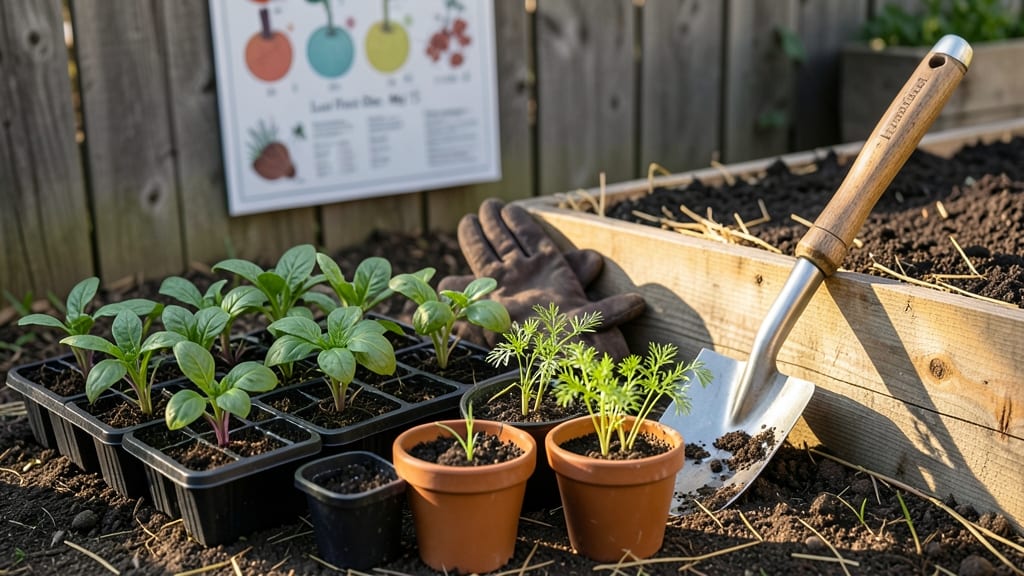
Planting a vegetable garden in New York at the right time means the difference between a bumper crop and a sad, frost-nipped disappointment.
New York’s unpredictable climate can make timing your vegetable garden a high-stakes game—plant too early, and frost will wipe out your hard work; too late, and you’ll miss peak harvests. But with the right NY-specific last frost dates and planting zones, you can maximize your garden’s potential year after year.
For Zone 6a gardeners like most of New York, the window to plant cool-season crops like lettuce and peas opens around mid-April, while warm-season favorites such as tomatoes and peppers wait until mid-June after the last frost.
Fall planting starts as early as late July for hardy greens and root vegetables.
Below, I’ll break down the exact frost dates by region, share my 3-step soil prep for faster growth, and reveal which crops thrive in New York’s short but sweet growing season—so you can plan with confidence.
New York’s last frost dates by region: when to plant cool-season vs. warm-season vegetables
New York’s diverse geography means frost dates vary dramatically from the Western Finger Lakes region to the Central Hudson Valley and Eastern Long Island. Understanding these last spring frost and first fall frost dates is critical for planning your vegetable garden.
In USDA Zones 5-7, these dates shift by weeks, so let’s break it down by region to help you time your cool-season and warm-season crops perfectly.
For cool-season vegetables like lettuce, spinach, and peas, you’ll want to plant 4-6 weeks before the last frost. Meanwhile, warm-season crops such as tomatoes, peppers, and cucumbers need to wait until after the last frost to thrive.
Missing these windows can mean lost harvests or stunted growth, so let’s dive into the specifics for each region.
Western NY (e.g., Buffalo, Rochester) typically sees its last spring frost around April 25–May 5, while the first fall frost arrives October 10–20. This shorter growing season demands careful planning, especially for heat-loving crops like sweet potatoes and okra. Central NY (Albany, Syracuse) has slightly later frosts—May 1–10 in spring and October 15–25 in fall—giving you a 160–180-day growing season.
Eastern NY (NYC, Long Island) enjoys the longest season, with last frosts around May 15–25 and first frosts October 25–November 5. This extended window lets you grow two full harvests of warm-season crops like tomatoes and peppers, plus fall brassicas such as broccoli and kale. However, microclimates—like urban heat islands in NYC—can push these dates even later.
For cool-season crops, start seeds indoors 6-8 weeks before your region’s last frost date. For example, in Western NY, sow spinach and lettuce indoors by March 1 for a May harvest.
In Eastern NY, you can push this even earlier—February 15—thanks to the later frost dates. Peas and radishes are also great early crops, as they tolerate light frosts.
Warm-season crops like tomatoes, peppers, and beans need consistent soil temperatures above 50°F (10°C).
In Western NY, wait until May 15–June 1 to transplant seedlings, while Central NY gardeners can start slightly earlier—May 10–20. Eastern NY offers the longest window, allowing you to plant tomatoes as late as June 10 for a fall harvest.
Don’t overlook succession planting, especially for leafy greens and root vegetables. In Central and Eastern NY, you can plant lettuce every 2 weeks from March through September to enjoy fresh greens all season. For warm-season crops
Best vegetables to plant in New York by month: a month-by-month planting schedule for maximum yields
Timing your vegetable garden in New York requires balancing cool-season hardiness with warm-season heat tolerance. The key? Understanding your region’s last frost date (typically April 15–May 15 in most areas) and planning for succession planting to stretch harvests.
Whether you're in Upstate or NYC, this month-by-month guide will help you plant the right crops at the right time for abundant yields.
For early spring, focus on cold-hardy crops like peas, spinach, and kale that thrive in 40–50°F soil. As temperatures rise, transition to warm-season staples such as tomatoes, peppers, and cucumbers—these need 60°F+ soil to germinate.
Don’t forget fall planting for hearty greens and root vegetables that mature before the first frost (mid-October in most of NY).
- 1 March–April (Cool-Season): Plant peas, spinach, kale, lettuce, and radishes under row covers if frost threatens. Soil temps should be 40–50°F.
- 2 May (Transitional): Start warm-season crops like tomatoes, peppers, and beans after last frost (mid-May). Use black plastic mulch to warm soil faster.
- 3 June–July (Peak Summer): Sow cucumbers, squash, and corn. Succession plant bush beans and lettuce every 2 weeks for continuous harvests.
- 4 August (Late Summer): Plant heat-tolerant greens like Swiss chard and malabar spinach. Start fall broccoli and cabbage 6–8 weeks before first frost.
- 5 September–October (Fall): Direct-sow carrots, beets, and garlic. Cover with frost blankets to extend harvests into November.
Pro tip: Use succession planting for leafy greens like lettuce and spinach—sow seeds every 2 weeks from spring to early fall. This ensures a steady supply even if early plantings bolt in hot summer weather.
For root vegetables such as carrots and radishes, thin seedlings to 2 inches apart to prevent overcrowding.
Don’t overlook fall crops like kale and Brussels sprouts, which taste sweeter after a light frost. These thrive in cool fall temperatures and can be harvested well into winter with row covers.
For Upstate NY, where winters are harsher, focus on overwintering onions and garlic planted in October.
To maximize space, interplant fast-maturing crops like radishes with slower-growing carrots or cabbage. Radishes are ready in 3–4 weeks, giving you early harvests while the carrots mature. Always water deeply in the morning to prevent fungal diseases, especially during humid summer months.
With this schedule, you’ll enjoy fresh produce from spring to fall, even in New York’s variable climate. Happy planting! 🌱