
Planting
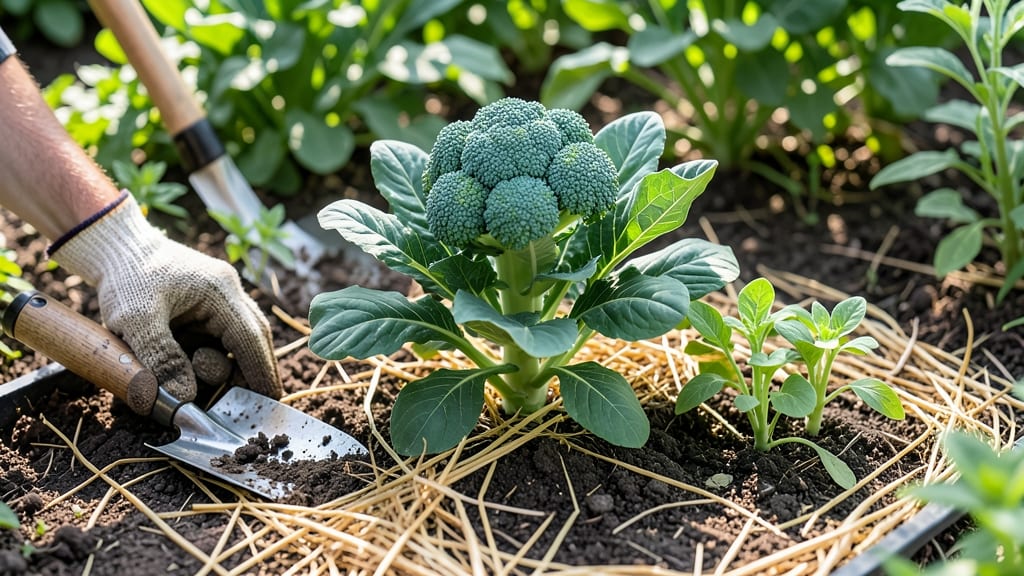
Planting a fall garden in Missouri means timing your seeds between mid-August and mid-September to beat the first frost and maximize your harvest.
Missouri’s short growing season demands precision—plant too early, and you’ll face heat stress; too late, and frost ruins your harvest. Timing is everything for a bountiful harvest in Zones 5-7.
If you’ve ever watched your seedlings wilt under summer’s last heatwave or seen frost nip tender greens before they mature, you know how critical the right window is.
The key? Starting 6-8 weeks before your average first frost date (usually late September to early October) and choosing fast-maturing varieties that thrive in cooler temps.
In this guide, I’ll break down the exact planting dates by zone, the best cool-season crops for Missouri’s climate, and simple tricks to extend your harvest—so you can enjoy fresh greens and root veggies long after summer’s over.
Missouri fall planting calendar: exact dates by Zone 5-7 for cool-season crops
Missouri's fall garden success hinges on precise timing—cool-season crops like kale and spinach thrive when planted after summer's heat subsides but before hard frosts arrive.
In Zones 5-7, this window typically spans mid-September to mid-October, but local microclimates (like urban heat islands or river valleys) can shift these dates by 1-2 weeks. Use your last frost date (usually October 15) as your deadline for planting frost-sensitive crops.
For Zone 5 (northern Missouri), aim to plant 4-6 weeks before first frost—around September 15-25—while Zone 7 (southern Missouri) can extend planting until October 10-20. Succession planting every 2 weeks ensures continuous harvests.
Start with fast-growing crops like radishes (25 days) before slower varieties like broccoli (60+ days).
| Crop | Zone 5 Planting Window | Zone 6 Planting Window | Zone 7 Planting Window | Days to Harvest |
|---|---|---|---|---|
| Kale | Sept 15-Oct 5 | Sept 20-Oct 10 | Sept 25-Oct 15 | 45-60 days |
| Spinach | Sept 1-Aug 20 | Sept 5-Oct 5 | Sept 10-Oct 10 | 30-50 days |
| Carrots | Aug 15-Sept 20 | Aug 20-Sept 25 | Aug 25-Oct 5 | 60-80 days |
| Broccoli | Sept 1-Oct 5 | Sept 10-Oct 10 | Sept 15-Oct 15 | 60-75 days |
| Lettuce | Aug 15-Sept 30 | Aug 20-Oct 10 | Aug 25-Oct 20 | 30-50 days |
Prepare your soil 2-3 weeks before planting by amending with 2-3 inches of compost and a balanced fertilizer (10-10-10). Missouri's clay-heavy soils benefit from sand or peat moss to improve drainage.
Test your soil pH—most cool-season crops prefer 6.0-7.0. If your soil is still warm from summer, use shade cloth to protect seedlings until temperatures drop below 80°F.
For succession planting, stagger your radish and lettuce every 10-14 days to ensure a steady harvest. These fast growers (30-50 days) create space for slower crops like Brussels sprouts (90+ days).
In Zone 5, prioritize cold-hardy varieties like 'Winterbor' kale or 'Red Fire' spinach, which tolerate light frosts (28°F).
Missouri's microclimates can shift planting dates significantly. Urban areas like St. Louis (Zone
How to extend your Missouri fall garden season: frost-proofing tips for maximum yield
Missouri’s fall frost dates can arrive unexpectedly, often between mid-October and early November depending on your USDA Zone (5-7). Without protection, your cool-season crops like kale, spinach, and carrots can suffer frost damage before reaching maturity.
The key to a successful fall harvest lies in strategic frost-proofing—using simple yet effective techniques to shield your plants from early cold snaps.
First, check your local historical frost dates from the Missouri Climate Center or MU Extension to determine your frost-free window. In most of Missouri, the average first frost occurs around October 15-30, but microclimates near rivers or urban areas may push this back by 1-2 weeks.
Knowing your exact window helps you plan staggered planting and protective measures like row covers or cold frames.
- 1. Use row covers: Lightweight floating row covers raise temperatures by 5-8°F and protect plants from light frost (down to 25°F). Secure edges with bricks or soil to prevent wind damage.
- 2. Plant cold-hardy varieties: Choose frost-tolerant crops like kale, Swiss chard, and spinach, which survive 20-25°F with minimal protection. Avoid tender greens like lettuce after mid-September.
- 3. Stagger planting dates: Sow succession crops every 2-3 weeks from late July to mid-September to ensure a continuous harvest before frost. Example: Plant radishes in July, August, and September for staggered maturity.
- 4. Insulate soil with mulch: Apply straw or leaves (3-4 inches) to insulate roots and prevent soil temperature drops. This extends the growing season by 2-3 weeks for root crops like carrots and beets.
- 5. Use cold frames or cloches: For high-value crops like Brussels sprouts or broccoli, use clear plastic cloches or mini greenhouses to trap heat. These protect down to 15°F and can extend harvests into December.
Another game-changer is staggered planting. Instead of planting all your cool-season crops at once, spread them out over 4-6 weeks. For example, plant spinach in early August, late August, and early September to ensure some plants mature before frost.
This succession planting strategy maximizes your harvest window and reduces waste.
For soil insulation, focus on root crops like carrots, beets, and turnips. These plants benefit from mulched soil, which stays warmer longer. Apply straw or shredded leaves (avoid grass clippings—they mat down) around plants in early October.
This simple step can delay frost damage by 10-14 days, giving your crops extra time to bulk up.
If a hard frost (below 28°F) is forecasted, act fast. Cover delicate crops like lettuce or peas with heavy blankets or burlap secured with clips or rocks. Remove covers during the day to prevent heat buildup.
For long-term protection, consider a low tunnel made from PVC pipes and row cover fabric—this can extend your season by 4-6 weeks.
Finally, monitor your garden closely using a weather app or local frost alerts. Missouri’s fall weather is unpredictable, with temperature swings of 20°F+ possible.
By combining cold-hardy varieties, protective covers, and staggered planting, you’ll turn your fall garden into a frost-proof powerhouse—even in Zone 5’s chillier corners. 🌿