
Planting
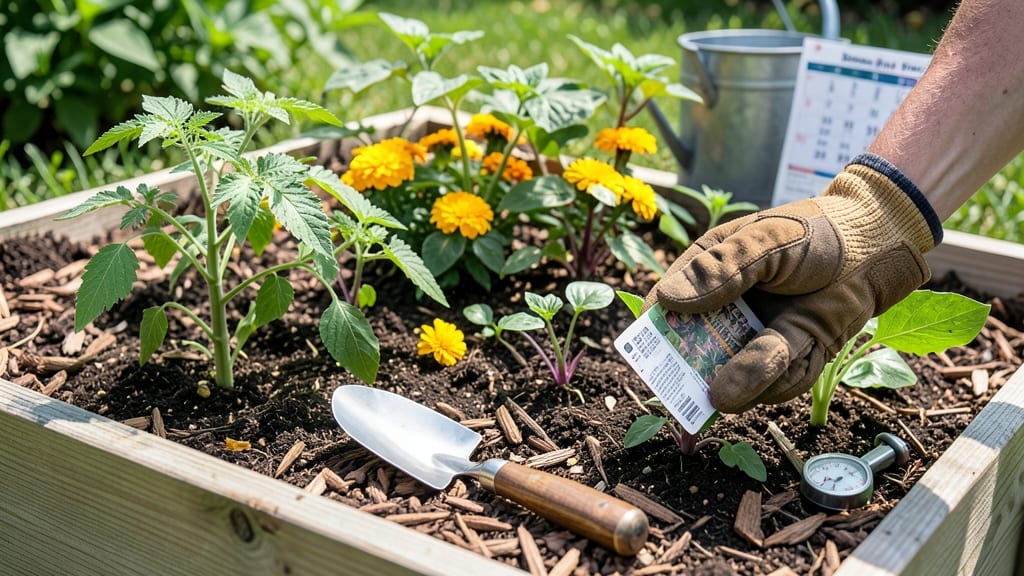
Planting your garden in Missouri at the right time means the difference between a thriving harvest and a sad pile of wilted seedlings.
Missouri’s unpredictable climate—from early spring freezes to scorching summer heat—can make or break your garden. But timing your plantings right, based on the state’s distinct growing zones, ensures a bountiful harvest instead of wilted disappointment.
Whether you’re growing General Garden Plants (Missouri) 🌱 like tomatoes, lettuce, or perennials, the key is knowing when to start seeds indoors, when to transplant outdoors, and how to adjust for your specific zone—whether you’re in St. Louis, Kansas City, or rural areas.
Below, I’ll break down the best planting dates for your region, soil prep tips, and how to avoid common mistakes that waste time and money. Let’s get those seeds in the ground at the perfect moment!
Missouri planting zones explained: when to start seeds indoors vs. outdoors
Missouri spans USDA Plant Hardiness Zones 5b through 7a, meaning gardeners in northern Missouri (like St. Louis) face shorter growing seasons than those in southern Missouri (like Springfield). These zones determine when to start seeds indoors and when to transplant outdoors to avoid frost damage.
For example, Zone 5b has an average last frost date of April 15, while Zone 7a can plant outdoors as early as March 15.
Understanding these zones helps you time seed starting and transplanting for cool-season crops like lettuce and peas versus warm-season crops like tomatoes and peppers. Cool-season crops can handle light frosts, while warm-season crops need consistent soil temperatures above 60°F.
Missouri’s first frost date ranges from October 15 in Zone 7a to November 1 in Zone 5b, so plan accordingly.
Here’s how to calculate your frost dates: Use the Missouri Botanical Garden’s frost calculator or check the National Weather Service’s climate data for your county. For example, Kansas City (Zone 6a) has a frost-free season of 180 days, while St. Louis (Zone 6b) enjoys 190 days. These dates are critical for scheduling direct sowing and transplanting.
| Zone | Avg. Last Frost | Avg. First Frost | Indoor Start (Cool-Season) | Outdoor Transplant (Cool-Season) | Indoor Start (Warm-Season) |
|---|---|---|---|---|---|
| 5b (Northeast MO) | April 15 | November 1 | March 1 - March 15 | April 20 - May 1 | February 15 - March 1 |
| 6a (Central MO) | April 1 | October 31 | February 20 - March 10 | April 10 - April 20 | January 30 - February 15 |
| 6b (St. Louis) | March 25 | October 15 | February 1 - February 15 | March 25 - April 5 | January 15 - February 1 |
| 7a (Southwest MO) | March 15 | October 1 | January 20 - February 10 | March 15 - March 25 | January 1 - January 15 |
For cool-season crops like kale, spinach, and carrots, start seeds indoors 4-6 weeks before your last frost date. For example, in Zone 5b, this means starting seeds by March 1 for outdoor planting by April 20.
These crops thrive in cooler temperatures (50-65°F) and can even handle light frosts, making them ideal for early spring or late summer plantings.
On the other hand, warm-season crops like tomatoes, peppers, and cucumbers need soil temperatures above 60°F to germinate. Start these seeds indoors 6-8 weeks before your last frost date.
In Zone 7a, this translates to starting seeds by January 15 for transplanting outdoors by March 15. Use a seedling heat mat if your home is too cool to ensure proper germination.
Missouri’s microclimates can vary dramatically even within a 20-mile radius
Best crops to plant by month in Missouri: a seasonal planting guide
Missouri’s growing season offers a perfect window for both cool-season and warm-season crops, but timing is everything. Early spring and late summer are ideal for leafy greens, while late spring and early summer are prime for tomatoes and peppers.
The key is aligning your planting with Missouri’s average last frost dates—typically mid-April in southern zones and early May in northern areas—while avoiding late-season heat stress.
For flowers like marigolds and zinnia, you can start seeds indoors as early as February for a summer-long display. Meanwhile, warm-season vegetables like beans and squash thrive when planted after the soil reaches 60°F, usually by early May.
Let’s break down the best planting schedule month by month to maximize your harvest.
🌱 Missouri Planting Calendar by Month
- February: Start cool-season crops indoors (lettuce, spinach) and perennials like asparagus. Harden off seedlings for early transplanting.
- March: Plant peas, radishes, and onions outdoors. Begin tomato and pepper seeds indoors 6-8 weeks before last frost.
- April: Transplant broccoli, cabbage, and cauliflower after frost risk passes. Direct-sow carrots and beets for early harvests.
- May: Plant tomatoes, peppers, and beans after soil warms. Add marigolds and sunflowers for pollinators and color.
- June: Sow late-season crops like bush beans and cucumbers. Succession plant lettuce and kale for fall harvests.
- July: Plant fall greens (spinach, arugula) and pumpkins for autumn harvests. Avoid planting warm-season crops.
- August: Direct-sow radishes, turnips, and carrots for winter harvests. Transplant broccoli for late fall production.
- September: Plant garlic for next year’s harvest. Add mums and asters for fall blooms.
Missouri’s fall planting is often overlooked but can yield delicious crops like kale and Brussels sprouts, which thrive in cooler weather. These plants benefit from late-summer soil prep, including compost and mulch, to protect roots from early frosts.
Even in Zone 5b, you can extend your harvest well into October with the right timing.
For flowers like zinnias and cosmos, succession planting every 2-3 weeks ensures continuous blooms from summer through frost. These annuals are drought-tolerant once established, making them perfect for Missouri’s variable summer rains.
Pair them with herbs like basil, which should be planted after the last frost for maximum flavor.
Don’t forget to adjust for your specific microclimate. Urban areas like St. Louis may experience heat islands that delay frost, while rural areas might see earlier freezes. Always check the Missouri Botanical Garden’s frost date maps for your exact location before planting.
With this month-by-month guide, you’ll avoid common pitfalls like planting tomatoes too early or missing the window for fall greens. Happy gardening—your future harvests will thank you! 🌿