
Planting
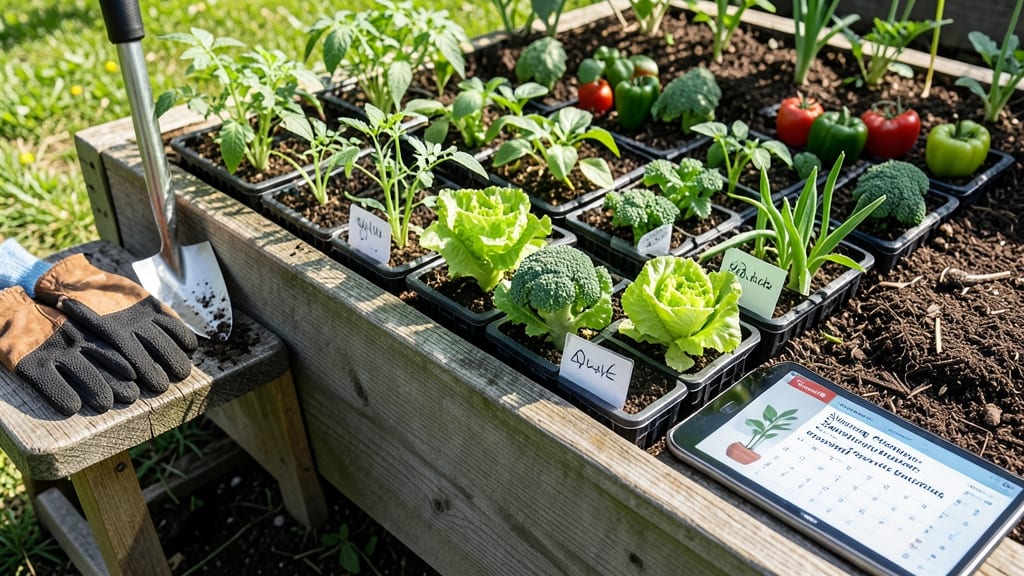
To plant a vegetable garden in Virginia, time your seeds between late winter and early spring—just as the soil warms but before the last frost hits around mid-March.
Virginia’s diverse climate—from the humid Piedmont to the cooler mountains—means planting your vegetable garden at the wrong time can mean wasted seeds or stunted crops. But timing it right unlocks bountiful harvests of tomatoes, peppers, and more, even in the state’s hot summers.
Cool-season crops like spinach and broccoli thrive when planted 4-6 weeks before the last frost, while warm-season favorites such as okra and sweet potatoes need to wait until 2-3 weeks after the frost has passed. Missing these windows can leave you with leggy seedlings or bolted greens.
Below, I’ll break down the exact planting schedule for your USDA Zone (6a-8a), plus heat-tolerant varieties that shine in Virginia’s summers and how to extend your harvest into fall.
Virginia’s last-frost dates by Zone: when to plant cool-season vs. warm-season crops
Virginia’s USDA Hardiness Zones 5b-8a create distinct planting windows for your vegetable garden. The last-frost dates vary dramatically—from late March in coastal areas to early April in the mountains—meaning your planting schedule should adjust based on where you live.
For example, Zone 5b (mountains) has an average last frost of April 15, while Zone 8a (Tidewater) sees its last frost around March 15. Understanding these differences ensures you plant cool-season crops early enough to avoid frost damage and warm-season crops late enough to escape chilly nights.
Cool-season crops like broccoli, spinach, and kale thrive when temperatures are mild, ideally planted 4-6 weeks before your last frost date.
In contrast, warm-season crops such as tomatoes, peppers, and sweet potatoes need soil temperatures above 60°F and should wait until 2-3 weeks after your last frost. Missing these windows can lead to slow growth or complete crop failure, especially in Virginia’s unpredictable spring weather.
Here’s how to align your planting with Virginia’s zones and frost dates for a high-yield garden:
For Zone 5b gardeners, start cool-season crops like broccoli indoors in early March to transplant outdoors by April 1. Meanwhile, Zone 8a gardeners can sow spinach as early as January for an early spring harvest.
Warm-season crops like tomatoes and peppers should wait until soil temperatures consistently stay above 60°F, which typically aligns with late April to early May across most of Virginia.
Don’t overlook succession planting, a technique that extends your harvest by staggering plantings every 2-3 weeks. For example, in Zone 6b, you can plant lettuce in February, March, and even late August for a fall harvest.
This method works especially well for fast-growing crops like radishes, bush beans, and turnips, ensuring a steady supply throughout the season.
If you’re unsure about your exact last-frost date, check local microclimates. Valley areas tend to frost later than hilltops, while coastal regions like Norfolk experience earlier last frosts. Use a frost calendar from your local Cooperative Extension Service or rely on frost-free date apps for real-time updates.
These tools can save you from costly mistakes, like planting tomato seedlings too early and risking frost damage.
Protect young plants from late frosts using frost cloths or row covers
Best heat-tolerant vegetables for Virginia gardens: what thrives in Zone 5b-8a summers
Virginia’s summers can hit 90°F+, but with the right heat-tolerant vegetables, you can still enjoy a thriving garden. These varieties thrive in Zones 5b-8a and handle humidity and intense sun better than others.
From ‘Celebrity’ tomatoes to ‘Carolina Gold’ sweet potatoes, these picks are perfect for Virginia’s climate.
Heat-loving plants need consistent moisture and well-draining soil to avoid stress. Many also benefit from mulching to retain soil moisture and keep roots cool. Let’s dive into the best options for your summer garden, including their planting times and care tips.
- ‘Celebrity’ Tomatoes 🍅
- Planting Time: April 15–May 15 (after last frost)
- Heat Tolerance: Handles 90°F+ with daily watering
- ‘Carolina Gold’ Sweet Potatoes 🍠
- Planting Time: May 1–June 1 (soil 70°F+)
- Heat Tolerance: Thrives in humid heat with mulch
- ‘Jalapeño’ Peppers 🌶
- Planting Time: April 15–May 15 (direct sow or transplant)
- Heat Tolerance: Loves full sun and consistent heat
- Okra 🌱
- Planting Time: May 15–June 15 (after soil warms)
- Heat Tolerance: Drought-resistant once established
- Southern Peas (Cowpeas) 🌿
- Planting Time: May 1–June 1 (direct sow)
- Heat Tolerance: Fixes nitrogen and tolerates poor soil
For all these heat-tolerant varieties, start by amending your soil with compost to improve drainage and moisture retention. Morning watering is key to prevent fungal diseases like powdery mildew, which thrive in Virginia’s humidity.
If you’re in Zone 5b, opt for early-maturing varieties to avoid late-summer heat stress. In Zones 7a-8a, you can extend planting into July for a fall harvest. Just remember to space plants properly to allow airflow and reduce disease risk.
With these heat-loving vegetables, your Virginia garden can stay productive even when the mercury rises. Happy planting! 🌞