
Planting
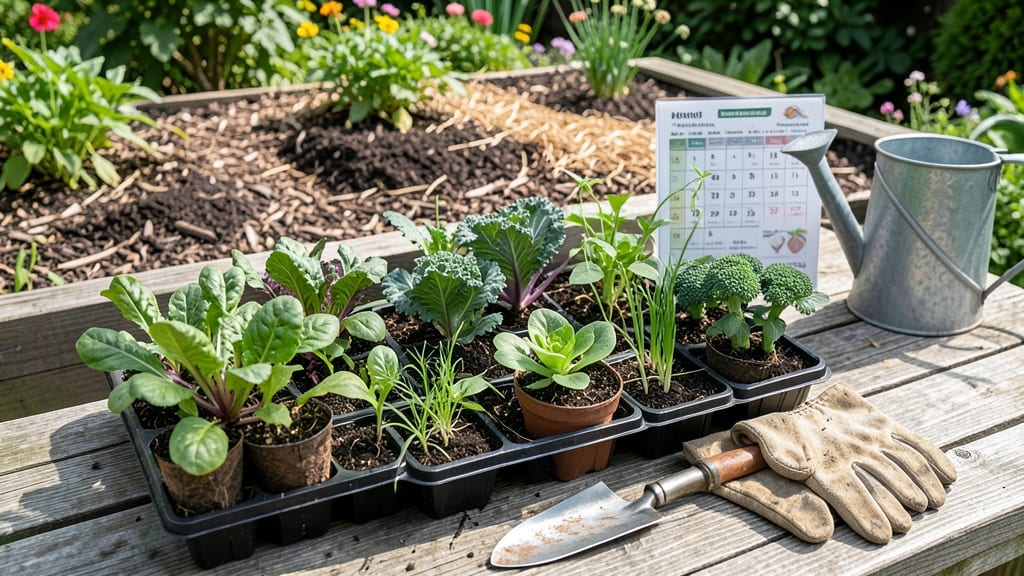
Planting a vegetable garden in Seattle means timing your crops to avoid late frosts and short growing seasons—your best window starts in early spring, when soil warms and rain lets up.
Seattle’s unpredictable weather can make or break your vegetable garden 🌱—planting too early risks frost damage, while waiting too long shortens your harvest. The key is knowing when the last frost typically hits (mid-April for most areas) and which crops thrive in the cool, wet spring.
Cool-season vegetables like lettuce and spinach can go in the ground as early as February, while warm-season crops like tomatoes need to wait until late May or June. The difference between a bountiful harvest and a sad excuse for a garden often comes down to these few critical weeks.
In this guide, I’ll break down the exact planting schedule for Seattle’s climate, including frost dates, soil prep tips, and how to adjust for your neighborhood’s microclimate—so you can grow a garden that actually produces.
Seattle’s last frost & first frost dates: critical planting windows by month
Seattle’s USDA Zone 8-9 climate creates a delicate balance for gardeners—too early, and frost zaps tender seedlings, while waiting too long shortens your harvest window. Understanding average frost dates (typically mid-October to late April) is key to timing your cool-season crops like spinach and warm-season plants like tomatoes perfectly.
The last spring frost usually occurs around April 15th, though urban heat islands (like downtown) can push this back by 1-2 weeks. Coastal areas, however, may experience later frosts due to marine layer influence.
For first fall frost, plan for October 15th, but inland areas can see frost as early as September 20th.
Here’s your planting timeline broken down by month, accounting for Seattle’s variable weather patterns and microclimates:
| Month | Cool-Season Crops (Plant) | Warm-Season Crops (Plant) | Notes |
|---|---|---|---|
| March | Spinach, Kale, Peas, Lettuce | None (too cold) | Start seeds indoors; use row covers for early outdoor plantings. |
| April | Broccoli, Cabbage, Carrots | Tomatoes (after April 15th) | Wait until soil warms (50°F+) for tomatoes; coastal areas may wait until May. |
| May | Radishes, Green Onions | Peppers, Eggplant, Basil | Ideal for warm-season crops; urban heat islands can plant earlier. |
| June-August | None (too hot) | Cucumbers, Beans, Corn | Succession plant fast-growing crops like beans every 2 weeks. |
| September | Kale, Brussels Sprouts, Spinach | None (frost risk) | Plant 6-8 weeks before first frost for fall harvests. |
| October | Garlic, Onions, Cover Crops | None | Prepare for winter with hardy crops or plant garlic in October. |
Heatwaves can also disrupt planting—Seattle’s summer temperatures often spike above 90°F, stressing warm-season crops. Monitor forecasts and use shade cloth for delicate plants like lettuce during July-August.
For coastal gardeners, extend your season by 1-2 weeks later than inland areas. Urban gardeners in heat islands (e.g., South Lake Union) can plant warm-season crops 10-14 days earlier than the averages above.
Pro tip: Use WSU Extension’s frost date maps (link in resources) for real-time adjustments. Mark your calendar for April 15th (last frost) and October 15th (first frost) as your planting bookends.
Adjust for microclimates—your backyard’s sun exposure and wind patterns matter. A south-facing wall can add 10°F warmth, while a north-facing garden may need earlier starts.
Remember: Succession planting is your secret weapon. For example, sow lettuce every 2 weeks from April to September to ensure continuous harvests before frost.
🌱
Best vegetables to plant in Seattle’s spring, summer, and fall: a seasonal guide
Seattle’s mild coastal climate and short growing season demand smart crop selection. The right vegetables planted at the right time mean the difference between a bountiful harvest and wilted disappointment.
I’ve grown everything from frost-resistant greens to heat-loving tomatoes in my Seattle garden, and these are the winners for each season.
Spring kicks off with cool-season crops that thrive in 50-60°F soil, while summer brings warm-season powerhouses that need consistent warmth. Fall extends your harvest with hardy greens and root vegetables. Let’s dive into the best picks for each season—and how to succession plant for continuous yields.
🌱 Seattle’s Seasonal Planting Highlights
- Spring (March-May): Start with spinach, kale, and peas—they handle late frosts like a pro. Bush beans and lettuce love cooler temps too.
- Summer (June-August): Plant tomatoes, peppers, and cucumbers after May 15 when soil warms. Succession plant every 2 weeks for nonstop harvests!
- Fall (September-November): Broccoli, carrots, and radishes thrive in cool fall air. Plant by August 15 for winter harvests.
- Pro Tip: Use row covers to extend spring/fall seasons by 2-3 weeks. My kale stays crisp until December with this trick!
For spring planting, focus on fast-growing greens like arugula and radishes—they mature in 30-40 days, giving you quick rewards. I always sow peas in early March; they’re frost-tolerant and ready by May. Succession planting every 2 weeks keeps the harvest flowing.
Summer is all about heat-loving crops. My cherry tomatoes and bell peppers thrive with afternoon shade in Seattle’s hotter microclimates. Plant cucumbers near trellises to save space—my vertical garden produces 20% more this way! Water deeply in the morning to prevent blossom end rot.
Fall is my favorite season—cool nights sweeten carrots and beets, while kale becomes sweeter after frost. I plant broccoli in late July for October harvests. Garlic planted in October even overwinters for next year’s crop! Mulch heavily to protect roots from temperature swings.
Don’t forget perennial favorites like asparagus and rhubarb—they thrive in Seattle’s climate and reward patience with decades of harvests. My asparagus crowns, planted in 2018, now give me spears every spring with almost no effort!
Seattle’s short growing season means every day counts. By rotating crops and succession planting, you can enjoy fresh veggies from April through November. Start with these seasonal standouts, and your garden will thank you with abundance all year. Happy planting! 🌱