
Planting
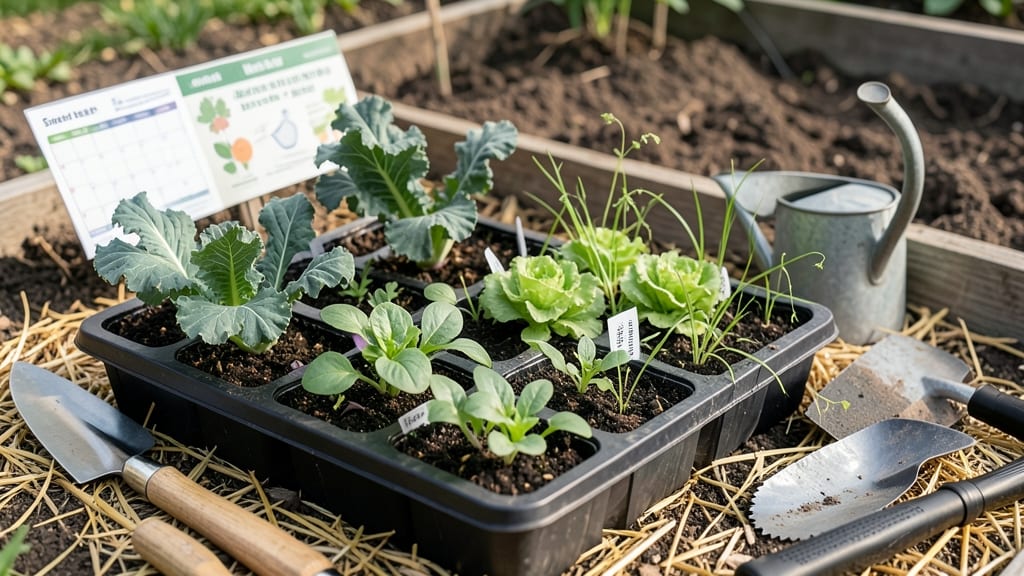
To plant a vegetable garden in Seattle, time your cool-season crops 4–6 weeks before the last frost — typically by mid-March — and warm-season crops 2–3 weeks after.
Seattle’s unpredictable weather can turn your vegetable garden dreams into a gamble—unless you plant at the perfect time. Miss the window, and frost or heatwaves will ruin your harvest before it even starts. 🥕
The key is knowing your zone: Seattle’s USDA 8a means frost lingers until mid-April, but microclimates near Puget Sound can delay it by weeks. Cool-season crops like kale and peas thrive in early spring, while tomatoes and peppers need to wait until late May.
Below, I’ll break down the exact planting windows for every crop, plus pro tips to stretch your growing season—so you can enjoy fresh veggies from spring through fall.
Seattle’s frost dates by planting zone: critical timing for vegetable success
Seattle’s USDA Zones 8a-9a create a unique gardening climate where cool, wet springs and mild winters demand precision timing. The last average frost date typically falls between mid-April and early May, while the first frost arrives around mid-October.
Understanding these windows is the key to avoiding frost damage or stunted growth.
For cool-season crops like lettuce, spinach, and peas, planting 4-6 weeks before your last frost ensures they mature before summer heat arrives. Meanwhile, warm-season crops such as tomatoes, peppers, and cucumbers need to wait until 2-3 weeks after the last frost to thrive.
Seattle’s 10-day planting rule helps fine-tune these timelines—plant when soil temps hit 50°F+ for cool crops or 60°F+ for warm crops.
Here’s how Seattle’s planting zones break down with critical frost dates and planting windows:
| Zone | Last Frost Date | First Frost Date | Cool-Season Planting Window | Warm-Season Planting Window |
|---|---|---|---|---|
| 8a (West Seattle) | April 15 | October 15 | March 1 – April 15 | May 1 – June 15 |
| 8b (East Seattle) | April 20 | October 20 | March 15 – April 20 | May 15 – June 20 |
| 9a (South Seattle) | May 1 | October 30 | March 20 – April 30 | May 20 – June 25 |
*Dates vary yearly—monitor local forecasts for adjustments.
Seattle’s microclimates add complexity. For example, West Seattle (Zone 8a) often experiences frost 1-2 weeks earlier than South Seattle (Zone 9a).
Use a 10-day rule to adjust: if your area tends to frost earlier than average, plant cool crops 10 days sooner and warm crops 10 days later.
For cool-season crops, start seeds indoors in February and transplant outdoors in March. Hardier varieties like kale and spinach can handle light frosts, but lettuce and peas need protection if temps drop below 28°F. Use row covers or cold frames to extend their season.
Warm-season crops like tomatoes and peppers are frost-sensitive. Wait until soil temps reach 60°F+ (usually late May) and use black plastic mulch to warm the soil faster. If planting after June 15, opt for heat-tolerant varieties like ‘Heatmaster’ tomatoes or ‘Jalapeño M’ peppers.
Seattle’s fall planting is just as critical. Start broccoli, carrots, and beets in late July for a fall harvest before the first frost. Use the 10-day rule backward: if your first frost is October 15, aim for a 90-day harvest by planting around July 15.
Pro tip: Track your local frost dates using Seattle’s Plant Amendments or the Old Farmer’s Almanac. Adjust planting dates by 1-2 weeks if you notice earlier or later frosts in your neighborhood. A garden journal helps refine your timing each year.
Remember, soil temperature matters more than air temperature. Use a soil thermometer to confirm readiness—50°F+ for cool crops and 60°F+ for warm crops. With these frost-date guidelines, you’ll maximize your Seattle garden’s potential and avoid costly mistakes.
Best vegetables to plant in Seattle by season: month-by-month planting guide
Seattle’s mild but unpredictable climate means timing is everything for a thriving vegetable garden. Cool-season crops like kale and peas love early spring, while heat-loving tomatoes and peppers need to wait until late May.
Even fall crops like carrots and spinach thrive when planted at the right moment—usually in late summer for a harvest before frost.
To maximize your harvest, focus on planting cold-hardy greens in early spring and warm-season favorites after the last frost (typically around April 15). Fall planting starts in late July to avoid early frost, giving you fresh veggies until November.
Let’s break it down month by month for Seattle’s unique growing windows.
- 1 February-March: Start cold-hardy crops like kale, spinach, and peas. These thrive in 40-50°F soil and can handle light frost.
- 2 April: Plant broccoli, lettuce, and carrots. Soil should warm to 50-60°F. Avoid planting tomatoes or peppers too early—they need warmer soil.
- 3 Late May: Warm-season tomatoes, peppers, and cucumbers can finally go in. Wait until soil reaches 60°F+ to avoid poor germination.
- 4 June-July: Sow beans, squash, and basil. Keep soil moist to prevent bolting. Succession plant lettuce and radishes for continuous harvests.
- 5 Late July-August: Plant fall crops like kale, carrots, and spinach. These need 60-70 days to mature before frost hits (~October 15).
- 6 September: Direct-sow radishes and arugula for quick harvests. Protect late tomatoes with row covers if nights dip below 50°F.
Don’t forget to succession plant fast-growing crops like radishes and lettuce every 2-3 weeks for a steady supply. Cold frames or row covers can extend your season by 2-4 weeks in both spring and fall, giving you more time to enjoy homegrown veggies.
Seattle’s microclimates (like warmer urban areas vs. cooler rural spots) can shift planting times by 1-2 weeks. Always check your local last frost date and adjust accordingly. With the right timing, you’ll turn your garden into a year-round vegetable powerhouse—even in rainy Seattle!
Pro tip: Keep a gardening journal to track what works best in your specific spot. Next year, you’ll be a Seattle planting pro! 🌱