
Tools
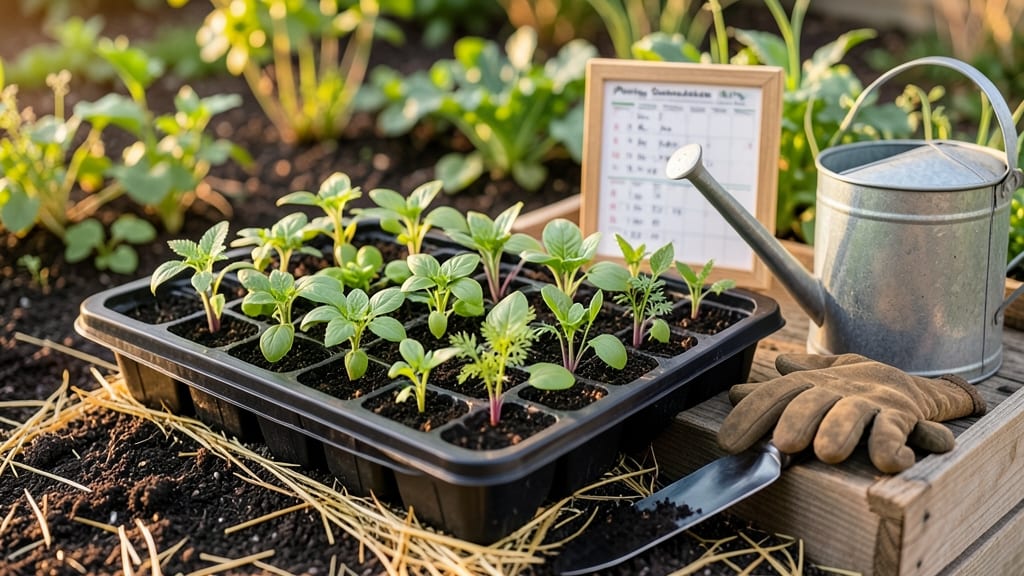
A vegetable garden planting schedule is your roadmap to a bountiful harvest, ensuring every seed and transplant goes in at the perfect moment for your zone.
Timing is everything in gardening—plant too early or late, and your vegetable harvest could suffer. With this zone-specific planting schedule, you’ll know exactly when to sow seeds and transplant seedlings for a thriving garden all season long.
Whether you’re in the chilly Zone 3 or the balmy Zone 10, the right schedule means the difference between a garden that thrives and one that struggles. Cool-season crops like spinach and kale have their own ideal windows, just as heat-lovers like tomatoes and peppers demand precise timing.
Below, I break down the exact deadlines for your region, plus succession planting tricks to stretch your harvests longer. No more guessing—just a clear, foolproof plan to maximize every square foot of your garden.


Zone-specific vegetable planting deadlines by USDA hardiness Zone
Getting your vegetable garden timing right means the difference between a bountiful harvest and wasted seeds. The USDA hardiness zones help determine when to plant cool-season crops like spinach versus warm-season favorites like tomatoes. Each zone has unique last frost dates that dictate your planting windows.
For example, gardeners in Zone 3 (like Minnesota) can start cold-hardy greens in early spring, while those in Zone 10 (like Southern California) might plant year-round. Below, I’ve broken down the ideal planting deadlines for zones 3 through 10, including key crops and their sowing windows.
In Zone 3, where winters are harsh, focus on early spring sowing for leafy greens and root vegetables like carrots. The last frost date here is often mid-May, so wait until then to transplant tomatoes and peppers, which need warmth to thrive.
By Zone 5, you’ll notice earlier planting windows—spinach can go in as early as March, while warm-season crops like cucumbers should wait until late April. Always check your local frost dates, as they can vary by 1-2 weeks even within the same zone.
For Zones 7-10, the rules relax significantly. In Zone 7, you can start tomatoes as early as April 15, while Zone 9 gardeners enjoy planting year-round. In Zone 10, tropical crops like sweet potatoes thrive without frost concerns at all.
Pro tip: Use row covers in cooler zones to extend planting windows for heat-loving crops. For example, in Zone 5, a cover can let you plant peppers 2 weeks earlier than the standard deadline.
Always account for succession planting—sow lettuce every 2 weeks in spring for continuous harvests. In Zone 3, this means March, April, and May sowings, while Zone 10 can plant monthly.
Remember: Soil temperature matters just as much as air temperature. Use a soil thermometer to confirm 50°F+ for warm-season crops like beans and squash. In Zone 5, this often means waiting until late May.
Fall planting is just as critical. In Zone 7, sow kale and broccoli by mid-July for a winter harvest. In Zone 9, you can plant year-round, but avoid July-August for heat-sensitive crops.
Adjust for microclimates—a south-facing wall can extend your growing season
How to adjust your planting schedule for early or late harvests
When your last frost date sneaks up or unexpected heat waves arrive, don’t panic—your garden can still thrive with smart adjustments. I’ve learned that extending seasons isn’t just about luck; it’s about using the right tools and techniques to protect tender plants or delay planting until conditions improve.
For early harvests, focus on cold-hardy crops and protective structures. For late-season extensions, heat-tolerant varieties and shade solutions work wonders. The key is understanding which methods fit your climate and crops.
I once extended my fall harvest by 3 weeks using row covers on broccoli and cabbage. The difference was stunning—plants stayed healthy, and I avoided the grocery store until December!
For late-season planting, try fast-maturing varieties like ‘Early Girl’ tomatoes (50 days to harvest) or ‘Cherry Belle’ radishes (25 days).
Don’t forget to monitor soil temperatures with a thermometer. Most seeds need 60-70°F soil to germinate—waiting a few days for warmer conditions can mean the difference between success and failure. For cool-season crops, aim for 40-50°F soil.
With these strategies, you’ll turn early springs and late falls into prime growing seasons. Start small, experiment with one method at a time, and watch your harvests stretch beyond the calendar’s usual limits! 🌱