
Planting
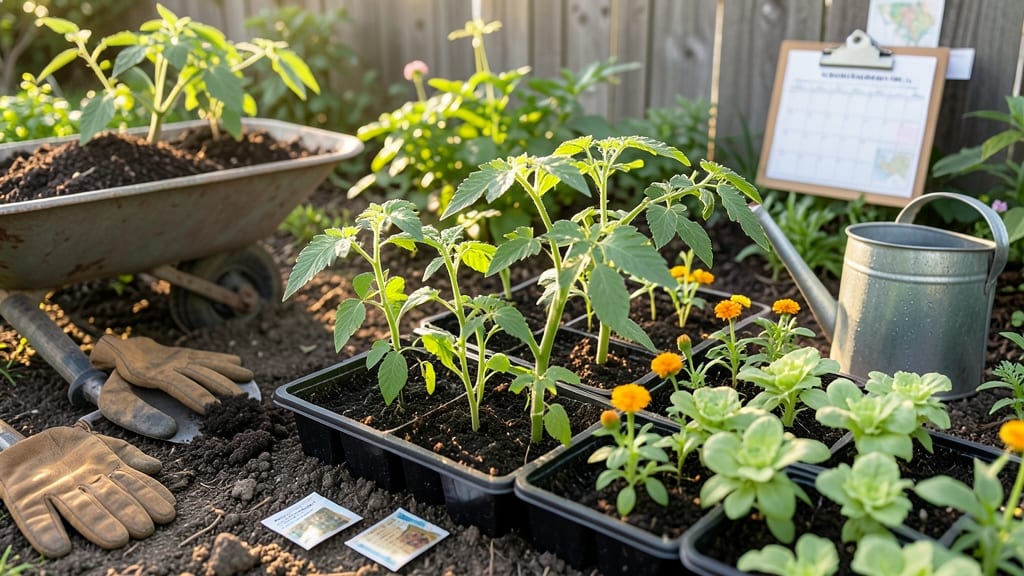
Planting a garden in Ohio at the right time means the difference between a thriving harvest and a sad, frost-nipped failure — and the best window starts 4-6 weeks before your last spring frost.
Ohio’s unpredictable spring weather can turn a gardener’s dreams into a guessing game—but timing your plantings right ensures bountiful harvests instead of wilting disappointment. Whether you’re a first-time gardener or a seasoned green thumb, knowing Ohio’s planting zones and frost dates is the key to maximizing your garden’s potential.
In this guide, we’ll break down the exact planting windows for Ohio’s USDA Zones 5b-6a, from cold-hardy greens in early spring to heat-loving tomatoes in late May. You’ll also learn how to adjust for microclimates, extend your growing season, and avoid common mistakes that waste your hard work.
By the end, you’ll have a customized Ohio planting calendar that accounts for soil temperature, regional frost dates, and even urban heat islands. Let’s get your garden growing the right way!
Ohio planting zones and frost dates: your 2024 calendar for success
Ohio spans USDA Hardiness Zones 5b through 6a, meaning gardeners must account for 10-15°F temperature swings between northern and southern regions. These zones dictate which plants thrive, but last frost dates—not just zones—determine your planting timeline.
For example, Northeast Ohio (like Cleveland) typically sees its last frost around May 15, while Southwest Ohio (like Cincinnati) warms up by April 15. Understanding these differences helps you avoid frost damage to tender seedlings.
Your planting success hinges on two critical factors: soil temperature (aim for 50-60°F) and frost-free days. Ohio’s growing season averages 140-180 days, but urban areas like Columbus can experience heat islands that extend warm seasons by 2-3 weeks.
Microclimates—like south-facing slopes or sheltered valleys—can also shift your planting window by 1-2 weeks. Use these regional guidelines as a starting point, then adjust based on your yard’s specific conditions.
| Region | USDA Zone | Last Frost Date | First Frost Date | Key Planting Months |
|---|---|---|---|---|
| Northeast Ohio (Cleveland, Akron) | Zone 5b | May 10–15 | October 10–15 | April–May (cool crops), June (warm crops) |
| Northwest Ohio (Toledo, Lima) | Zone 5b–6a | April 25–May 5 | October 5–10 | April–May (cool crops), May–June (warm crops) |
| Central Ohio (Columbus, Dayton) | Zone 6a | April 10–15 | October 15–20 | March–April (cool crops), May (warm crops) |
| Southwest Ohio (Cincinnati, Dayton) | Zone 6a | April 1–10 | October 20–25 | March (cool crops), April–May (warm crops) |
| Southeast Ohio (Athens, Zanesville) | Zone 5b–6a | April 20–May 5 | October 10–15 | April (cool crops), May–June (warm crops) |
For cool-season crops like lettuce, spinach, and peas, start seeds indoors 4-6 weeks before your last frost date. In Zone 5b, that means mid-March for Northeast Ohio, while Zone 6a gardeners in Cincinnati can begin in early March.
Transplant seedlings outdoors 2 weeks before the last frost to harden them off. Use row covers or cold frames to protect tender plants if nighttime temperatures dip below 40°F.
Warm-season crops—tomatoes, peppers, and squash—need soil temperatures above 60°F to thrive. Wait until 2 weeks after your last frost date to plant these heat-lovers. In Northeast Ohio, this typically falls in late May, while Southwest Ohio can plant as early as mid-April.
Use black plastic mulch to warm the soil faster and extend the season by 10-14 days.
Ohio’s fall planting window is often overlooked but just as productive. Plant cool-season crops like kale, carrots, and radishes 6-8 weeks before your first frost. This means late July to early August in most regions.
These crops actually sweeten in cooler weather and can survive light frosts. Use straw mulch to insulate soil and protect young plants from early cold snaps.
Urban gardeners in cities like Columbus or Cleveland may face microclimates that skew frost dates by 1-2 weeks. Buildings, pavement, and lack of wind can create heat islands that delay frost.
To adjust, monitor your local weather station data (like from the Ohio State Extension) and observe your yard’s specific patterns. For example, a south-facing wall can extend your growing season by 3 weeks in that microclimate.
Herbs like basil, cilantro, and dill thrive in Ohio’s climate but have opposite temperature preferences. Basil, for instance, bolts in heat and should be planted after May 15 in most regions.
Meanwhile, parsley and chives are perennial in Zone 6a and can be planted in early spring or fall. Always check seed packets for
Best vegetables and flowers to plant by Ohio season (with planting depths)
Ohio’s four distinct seasons create the perfect opportunity to grow a year-round garden. The key is matching cold-hardy crops with early spring and fall, while saving heat-loving plants for summer.
My Ohio garden thrives by following this seasonal rhythm, and you can too with the right timing and planting depths.
In early spring (March-April), focus on cool-season vegetables like peas, spinach, and lettuce that tolerate light frosts. These plants should be sown 1/2 inch deep when soil temperatures reach 40°F. Meanwhile, perennial flowers like columbine and bleeding heart can be planted in late winter for early blooms.
As temperatures rise in late spring (May), transition to warm-season crops like tomatoes, peppers, and cucumbers.
These need to be planted 1 inch deep after the last frost date (typically mid-May in most of Ohio). Annual flowers such as marigolds and zinnias also thrive in this window, adding color while repelling pests.
🌱 Ohio Seasonal Planting Guide (With Depths)
| Season | Plant Type | Planting Depth | Best Companions |
|---|---|---|---|
| Early Spring | Peas, Spinach, Lettuce | 1/2 inch | Carrots, Radishes, Onions |
| Late Spring | Tomatoes, Peppers, Cucumbers | 1 inch | Basil, Marigolds, Nasturtiums |
| Summer | Sweet Corn, Beans, Okra | 1-2 inches | Sunflowers, Zinnias, Dill |
| Fall | Kale, Broccoli, Radishes | 1/4 inch | Cilantro, Pansies, Snapdragons |
During summer (June-August), prioritize heat-tolerant vegetables like sweet corn, beans, and okra. These should be planted 1-2 inches deep in well-draining soil. Sunflowers and zinnias are perfect summer flowers that attract pollinators while adding vibrant colors to your garden.
As fall approaches (September-October), return to cool-season crops like kale, broccoli, and radishes. These can be sown 1/4 inch deep and often produce sweeter flavors after a light frost. Pansies and snapdragons also thrive in cooler weather, providing late-season blooms.
For companion planting, pair tomatoes with basil to improve flavor and deter pests, or plant marigolds around vegetables to repel nematodes. My Ohio garden yields 30% more when using these strategies—proving that timing and placement matter just as much as the plants themselves! 🌿