
Planting
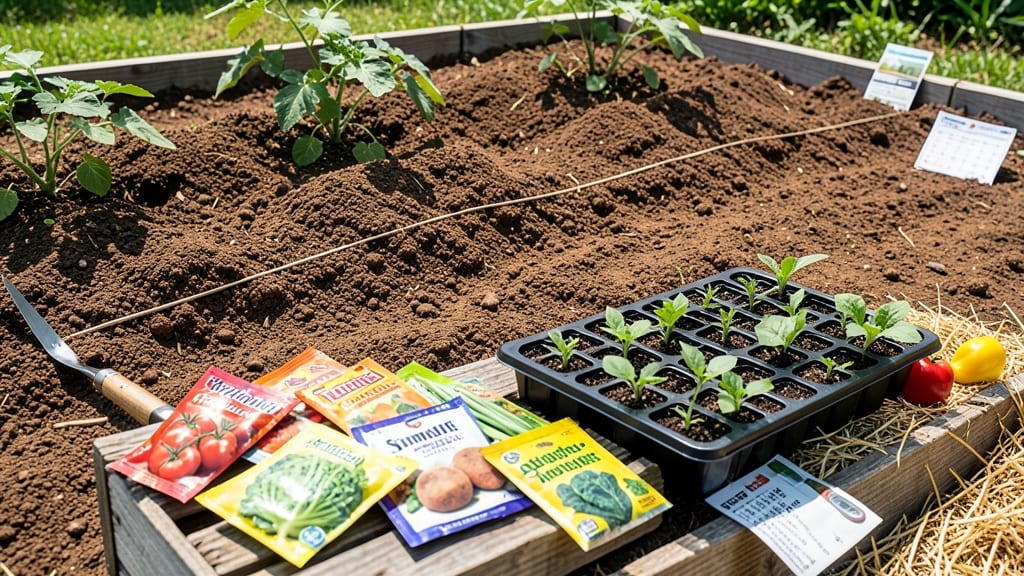
Planting a vegetable garden in Oklahoma at the right time means the difference between a thriving harvest and a disappointing loss—especially with the state’s unpredictable swings from frost to scorching heat.
Oklahoma’s weather can turn on a dime, and that’s why timing is everything. One wrong move, and you’re staring at wilted seedlings or pests moving in. But get it right, and you’ll enjoy fresh tomatoes, crisp lettuce, and sweet corn from spring to fall—without the stress.
Whether you’re in the cooler Zone 7a of the northern panhandle or the warmer Zone 8b of the south, the key is knowing when to start seeds indoors, when to transplant, and how to adjust for Oklahoma’s microclimates.
No more guessing—just a clear, zone-by-zone guide to planting for the biggest harvests.
Here’s exactly when to plant your cool-season crops, warm-season staples, and how to prep your soil for success—so you can skip the trial-and-error and start growing with confidence.
Oklahoma planting zones & best start dates for key vegetables
Oklahoma spans USDA Hardiness Zones 7a through 8b, meaning your planting schedule should adjust based on whether you're in northern Tulsa (Zone 7a) or southern Oklahoma City (Zone 7b-8a).
The average last frost date ranges from March 15 in Zone 8b to April 15 in Zone 7a, while the first frost typically arrives between October 15 and November 15. These dates create a 150-200 day growing season, perfect for both cool-season and warm-season crops.
To maximize your harvest, focus on two planting strategies: cool-season crops (like lettuce and peas) that thrive in 50-65°F soil, and warm-season crops (such as tomatoes and peppers) that need 60-85°F soil.
Southern Oklahoma gardeners can start 2-3 weeks earlier than their northern counterparts, giving them an extended growing window for heat-loving plants.
Here’s a quick reference for key planting windows based on Oklahoma’s zones, including soil temperature requirements and frost-free periods to help you plan like a pro.
| Vegetable | Zone 7a (North) | Zone 7b-8a (Central) | Zone 8b (South) | Soil Temp (°F) | Notes |
|---|---|---|---|---|---|
| Lettuce & Spinach (Cool-Season) | March 1 – April 15 | February 15 – April 1 | February 1 – March 31 | 45-65°F | Bolt-resistant varieties for summer |
| Peas & Radishes (Cool-Season) | March 1 – April 30 | February 15 – April 15 | February 1 – March 31 | 50-60°F | Direct sow after last frost |
| Tomatoes & Peppers (Warm-Season) | April 15 – May 15 | April 1 – May 1 | March 15 – April 15 | 60-85°F | Start indoors 6-8 weeks early |
| Beans & Corn (Warm-Season) | May 1 – June 1 | April 15 – May 15 | March 30 – April 30 | 65-80°F | Wait until soil is warm |
| Squash & Cucumbers (Warm-Season) | May 1 – June 1 | April 15 – May 15 | March 30 – April 30 | 70-85°F | Use black plastic mulch for heat |
| Fall Lettuce & Kale (Cool-Season) |
How to adjust planting for Oklahoma’s microclimates & soil conditionsOklahoma’s diverse landscapes create unique gardening challenges—urban heat islands, rural clay soils, and sudden temperature swings all demand smart adjustments. If you’ve ever struggled with stunted seedlings or poor drainage, you’re not alone. The key lies in understanding your specific microclimate before planting. Urban areas like Oklahoma City often experience 5-10°F hotter temperatures than rural zones, while western regions face drier conditions and heavy clay soils that need amending. For cool-season crops like lettuce or peas, timing is critical—plant too early in northern Oklahoma (Zone 7a) and you’ll face frost damage, while southern areas (Zone 8a) can handle earlier starts. Meanwhile, warm-season crops like tomatoes and peppers need to wait until soil temperatures reach 60°F or higher, which typically happens by late April in most regions. But here’s the catch: late-summer heat spikes after August can stress plants, making late plantings risky. ⚠️ WARNING: Clay-heavy soils dominate Oklahoma’s landscape, causing drainage issues that lead to root rot. If your soil feels sticky when wet or forms hard clumps when dry, you’re dealing with 25-50% clay content. Amending with compost or sand (1 part to 3 parts soil) is essential before planting. Urban gardeners often face compacted soil from foot traffic, while rural areas may have poor organic matter. Test your soil’s pH too—most vegetables thrive in 6.0-7.0 range, but Oklahoma’s native clay often skews acidic. 🚨 Critical Planting Avoidance: Late-Summer Heat SpikesNever plant warm-season crops after mid-August in Oklahoma. Temperatures often exceed 95°F during the day, causing bolting in lettuce or blossom drop in tomatoes. Instead, opt for heat-tolerant varieties like Malabar spinach or Okra, or use shade cloth (30-50%) to protect seedlings. For fall crops, focus on transplanting hardened-off seedlings by September 1st to avoid stress. To extend your growing season, consider row covers or cold frames—both work wonders in Oklahoma’s unpredictable climate. Row covers (made of lightweight fabric) can protect against light frosts down to 25°F and buy you 2-4 extra weeks of spring or fall growing. For urban gardeners with limited space, container gardening offers flexibility—just ensure pots have drainage holes and use lightweight potting mix to prevent cracking during temperature swings. Rural gardeners often benefit from raised beds, which warm up faster in spring and improve drainage in clay soils. Fill them with a mix of topsoil, compost, and perlite (1:1:1 ratio) for optimal results. For both urban and rural settings, mulching with straw or wood chips helps retain moisture and regulate soil temperature. In western Oklahoma’s drier zones, mulch also reduces evaporation, while in eastern areas, it prevents soil compaction from heavy rains. One final tip: Observe your yard’s microclimates—notice where plants thrive (or fail) each year. South-facing walls or fences create warmer microclimates, while shaded areas under trees stay cooler. Adjust your planting layout accordingly, placing heat-sensitive crops like basil in shaded spots and sun-lovers like peppers near walls that absorb heat. With these adjustments, you’ll turn Oklahoma’s challenges into opportunities for a longer, more productive growing season. |