
Planting
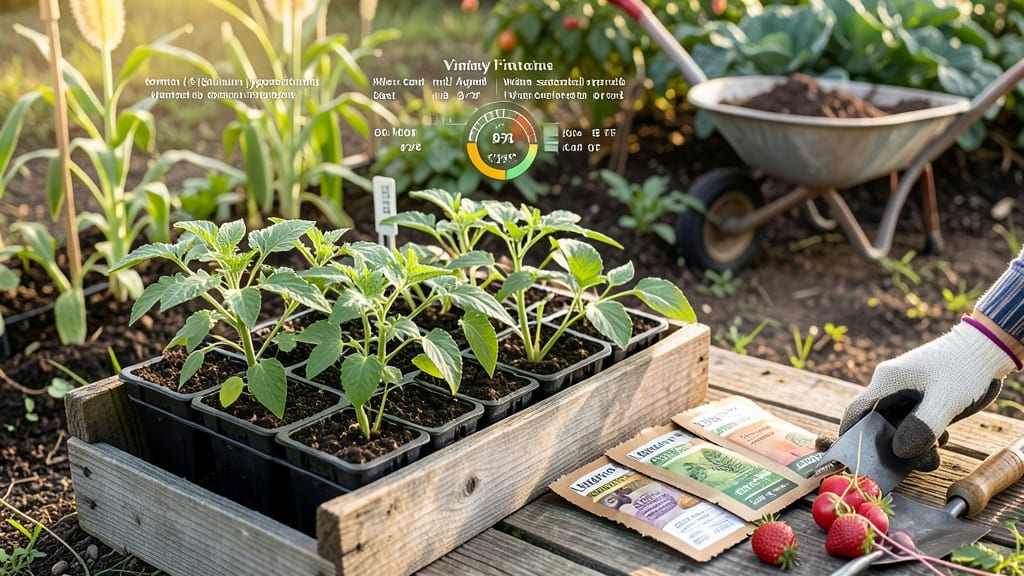
Planting a garden in Virginia at the right time means the difference between a bountiful harvest and a sad, frost-nipped disappointment.
Virginia’s unpredictable frost dates can make or break your garden—plant too early, and a late freeze wipes out your hard work. Too late, and you miss peak harvests. Here’s your exact planting timeline for Virginia’s climate zones, broken down by plant type so you never guess again.
From the Coastal Plain’s milder winters to the Piedmont’s earlier springs, each region has its own rhythm.
Cool-season crops like spinach and peas can go in as early as February in Zone 8a, while warm-season favorites like tomatoes need to wait until after the last frost—usually mid-April in most areas.
Below, I’ll walk you through the ideal planting windows for your Virginia garden, including when to start seeds indoors, transplant seedlings, and even squeeze in a fall harvest before the first frost hits in October.
Virginia’s frost-free dates by region: when to start planting
Virginia’s five distinct climate zones create wildly different last frost dates, which directly impact when you can safely plant your garden. Whether you’re in the Coastal Plain or the Blue Ridge Mountains, knowing your USDA zone (6b-8a) helps you avoid frost damage while maximizing your harvest.
Let’s break down the frost-free windows for each region so you can start planting with confidence.
In Zone 7a-8a, Virginia’s frost dates vary dramatically. The Coastal Plain (e.g., Norfolk) typically sees its last frost around March 15-30, while the Appalachian Plateau (e.g., Bristol) may wait until May 1-15.
This 6-week difference means your cool-season crops (like lettuce or peas) can go in weeks earlier in the south than in the mountains.
The Piedmont region (Richmond, Charlottesville) usually falls in the middle with last frosts around April 1-15, making it ideal for early spring planting of cold-hardy vegetables.
Meanwhile, the Valley (Roanoke, Harrisonburg) and Blue Ridge (Lynchburg, Blacksburg) often experience later frosts, delaying warm-season crops like tomatoes until mid-May or later.
Here’s a quick reference for last frost dates across Virginia’s regions, along with ideal planting windows for cool-season and warm-season crops:
For cool-season crops like broccoli, kale, and peas, start seeds indoors 4-6 weeks before your region’s last frost date. In the Coastal Plain, this means sowing in late January to February, while in the Appalachian Plateau, wait until late March to early April.
These plants thrive in cooler temperatures (40–70°F) and can even handle light frosts.
Warm-season crops—think tomatoes, peppers, and cucumbers—need soil temperatures above 60°F and should only go in after your last frost. In Zone 8a (Coastal Plain), this is mid-April, but in Zone 6b (Appalachian Plateau), wait until early June.
Use row covers or black plastic mulch to warm the soil faster if needed.
Don’t forget about fall planting! Many cool-season crops can be sown again in late summer for a second harvest before the first frost. In most of Virginia, aim for August 1–15, giving plants time to mature before October’s first frost.
This is especially useful for leafy greens, radishes, and carrots, which grow quickly in cooler weather.
Pro tip: Check the Virginia Cooperative Extension’s frost maps for real-time updates, as microclimates (like valleys or urban heat islands) can shift frost dates by
Best planting schedule for Virginia gardens: month-by-month guide
Timing is everything in Virginia’s garden—where last frost dates can swing by weeks between regions. My month-by-month schedule aligns with Virginia’s Zone 6b-8a climate, ensuring you plant cool-season crops early and warm-season favorites at the perfect moment.
Whether you’re in Richmond’s Piedmont or Norfolk’s Coastal Plain, these deadlines keep your harvests on track.
Spring kicks off with cold-hardy vegetables like spinach and peas, while summer demands tomatoes and peppers to wait for soil warmth. Fall offers a second chance for broccoli and kale before frost.
I’ve included regional tweaks so you can adjust for your microclimate—because a late April freeze in the mountains won’t match Coastal Virginia’s milder springs.
- 🌱 March: Start cold-hardy crops (lettuce, peas, spinach) 4-6 weeks before last frost (early March in Zone 8a, late March in Zone 6b).
- 🌿 April: Plant warm-season starters (onions, potatoes) 2-3 weeks before last frost. Transplant broccoli and cabbage after frost risk passes.
- ☀️ May-June: Tomatoes, peppers, and cucumbers go in after soil reaches 60°F (late May in Zone 6b, early May in Zone 8a).
- 🌻 July-August: Succession plant beans, carrots, and radishes for fall harvests. Direct-sow winter squash by mid-July.
- 🍂 September: Second planting of kale, Brussels sprouts, and garlic for winter harvests. Avoid planting warm-season crops after Labor Day.
Herbs like basil and cilantro thrive in late spring but bolt in summer’s heat—so sow cilantro in early spring and fall, while basil waits until after Memorial Day. Perennials like asparagus get a head start in early spring, but their crowns need 12+ hours of cold to break dormancy.
For flowers, pansies and snapdragons handle fall planting, while marigolds and zinnias bloom best when sown in late spring.
Don’t overlook fall planting—it’s your secret to winter harvests. Spinach and radishes tolerate light frosts, while garlic planted in October yields sweeter bulbs next summer. Cover crops like clover can go in September to protect soil and improve next year’s beds.
Just remember: stop planting warm-season crops by August 15 in most of Virginia to avoid first-frost damage.
Use row covers to push early spring plantings 2-3 weeks earlier, or black plastic mulch to warm soil for tomatoes and peppers. Succession planting every 2 weeks ensures a steady supply of lettuce, beans, and carrots.
And always check Virginia Cooperative Extension’s frost maps for your exact county—because a 5-mile elevation change can mean 2 weeks’ difference in frost dates.
With this schedule, you’ll maximize your garden’s potential without guessing. Start with cool-season crops in March, transition to warm-season staples in May-June, and reap fall rewards from September’s second plantings. Happy growing—your harvest table will thank you! 🌱