
Tools
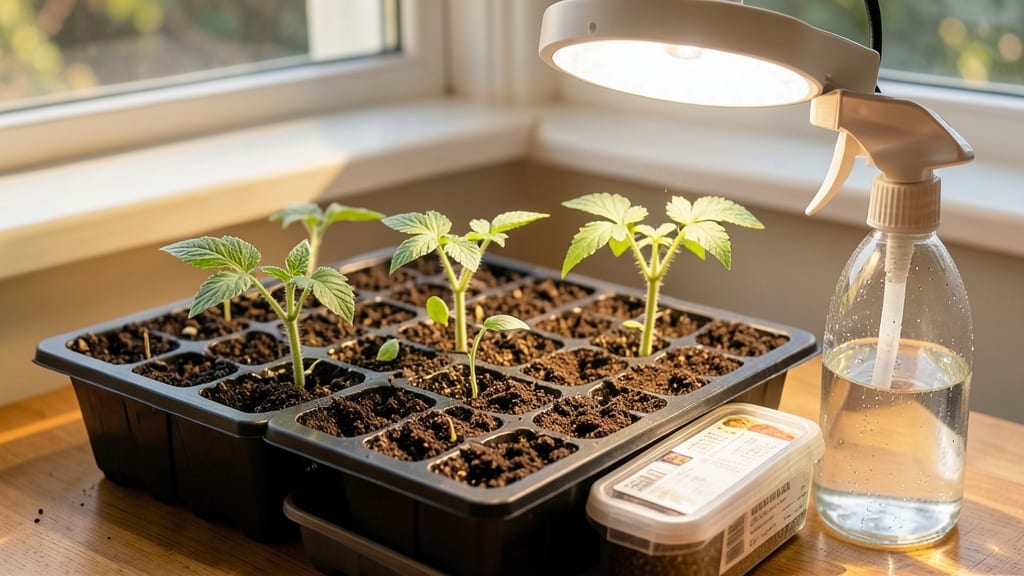
Starting garden seeds indoors 4-8 weeks before your last frost is the key to strong, healthy plants that hit the ground running.
Picture this: You’ve got your seed trays ready, the soil is fluffy, and you’re eager to get growing—only to realize too late that your seedlings are leggy and weak because you started them too early.
Or worse, you wait until April and miss the window entirely. The good news? With a little planning, you can avoid these common pitfalls and set your garden up for success from day one.
Timing isn’t just about the calendar—it’s about your USDA zone, the type of plants you’re growing, and how long they need to mature. For example, in Zone 6a, most gardeners start seeds in late February or early March, but that window shifts for cooler or warmer climates.
Whether you’re growing tomatoes, herbs, or flowers, getting the timing right means the difference between a thriving garden and a disappointing one.
In this guide, I’ll break down exactly when to start your seeds indoors, how to adjust for your specific zone, and what to watch for to ensure your seedlings are ready to transplant at the perfect moment. No more guessing—just confident, actionable steps for a garden that starts strong.
USDA zone-by-zone seed starting calendar for optimal transplant timing
Getting your seed starting timing right is the difference between lush, productive plants and leggy, struggling seedlings. The USDA zone you live in determines your last frost date, which is the foundation for calculating when to start seeds indoors.
In Zone 3 (like Minnesota or Maine), you might begin in early March, while Zone 10 (like Southern California) could start as early as January. Each zone has its own rhythm, and understanding these patterns helps you avoid common pitfalls like overcrowded trays or transplant shock.
For most gardeners, the goal is to have healthy seedlings ready to transplant outdoors 2-3 weeks before the last frost. This gives them time to establish roots in the garden soil before cooler temperatures arrive.
For example, tomatoes and peppers need a longer indoor head start (6-8 weeks) because they’re warm-season crops, while basil or lettuce can go from seed to garden in just 4-6 weeks.
Your zone dictates not just the start date but also which crops you can push to grow indoors year-round.
Below is a comparison-table breaking down the ideal indoor start windows for Zones 3-10, including common crops and their days to maturity. Use this as your guide to plan ahead—whether you’re a first-time gardener or a seasoned pro refining your schedule.
Notice how the start dates shift earlier as you move toward warmer zones? In Zone 10, you can start seeds almost year-round, while Zone
How to calculate your exact seed starting window based on days to maturity
Every seed packet lists a days to maturity range—this is your secret weapon for calculating the perfect start date.
For example, if your tomato seeds need 70 days to harvest and your last frost is April 15, you’ll need to start them indoors 4-6 weeks before that date to avoid transplant shock. This method works for all warm-season crops like peppers and basil.
For cool-season crops (like spinach or lettuce), the math changes slightly—you’ll want seedlings ready 2-4 weeks before the last frost, not after. Always check your USDA zone for accurate frost dates, as they vary by region. My go-to resource? The National Gardening Association’s frost date calculator.
Here’s how to break it down step-by-step:
- 1
- 2
- 3
- 4
- 5
Pro tip: Use a seed-starting journal to track your progress. I label each tray with the plant name, start date, and target transplant date to avoid confusion. For example, my basil trays always say "Start: Jan 20 | Transplant: Mar 1" in bold marker.
If you miss the window, don’t panic! Some fast-growing crops (like radishes or arugula) can be direct-sown after your last frost. For others, extend your season with a cold frame or row covers to protect young plants.
My peppers always get a weekly check in late April to see if they’re ready for the garden.
Remember, light and temperature matter just as much as timing. Seedlings need 12-16 hours of light daily—supplement with a grow light if natural light is weak. Keep soil temps between 60-75°F for optimal germination. With this method, you’ll have vigorous seedlings ready to thrive outdoors. 🌱