
Planting
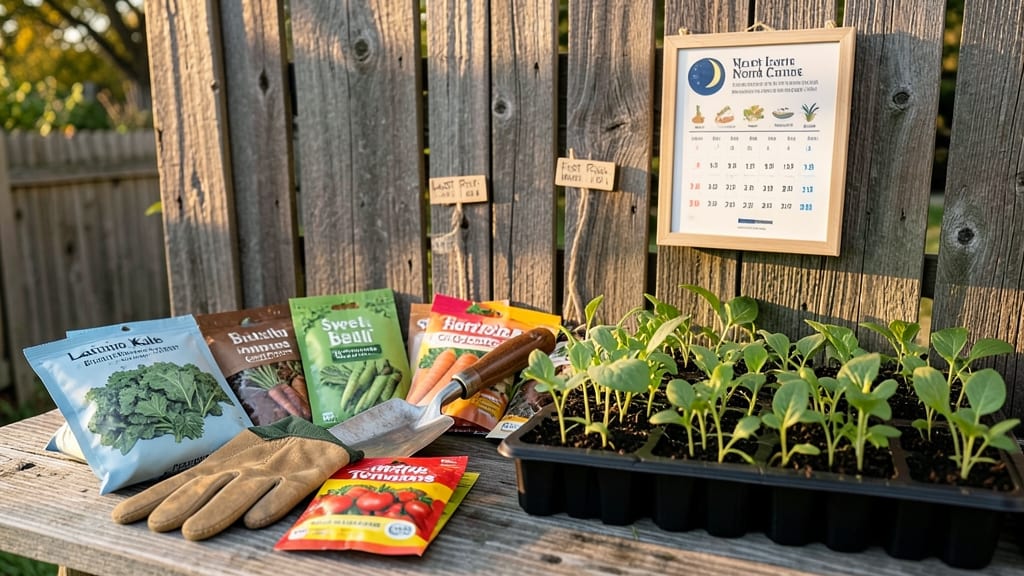
Planting your garden in North Carolina at the right time means the difference between a lush harvest and a sad, frost-nipped disappointment.
North Carolina’s diverse climate means your garden’s success hinges on timing—plant too early and risk frost damage, too late and miss peak harvests. Here’s your region-specific guide to mastering the perfect planting schedule for NC’s frost-free zones.
In zones 7a-8b, most gardeners aim for March through May for spring crops, but the exact dates shift dramatically from the Coastal Plain to the Mountains.
Cool-season veggies like spinach and peas can handle light frosts, while tomatoes and peppers need to wait until all danger of frost has passed.
Below, I break down the best planting windows by region, how to adjust for unpredictable weather, and which crops thrive in NC’s humid summers. Ready to get growing?
NC frost-free dates by region: when to plant cool vs warm season crops
North Carolina spans 10 USDA hardiness zones (5b-8a), creating dramatic differences in frost-free dates from the Mountains to the Coast.
In the Asheville area (Zone 7a), you might see your last frost on April 15, while Wilmington (Zone 8a) gardeners can plant warm crops as early as March 1. These variations mean your planting schedule should align with your specific microclimate—not just your county.
Cool-season crops like kale, spinach, and peas thrive in temperatures below 75°F and can often handle light frosts. Warm-season crops such as tomatoes, peppers, and cucumbers require soil temperatures above 60°F and won’t tolerate frost.
Planting too early risks stunted growth or death, while waiting too long may shorten your harvest window.
Here’s your region-by-region breakdown of frost-free dates and ideal planting windows, tailored for NC’s three distinct growing areas: Mountains, Piedmont, and Coastal Plain. Use this as your guide to time your plantings perfectly for maximum yields.
NC Frost-Free Dates & Planting Windows by Region
| Region | USDA Zone | Last Frost Date | First Frost Date | Cool-Season Planting | Warm-Season Planting |
|---|---|---|---|---|---|
| Mountains (Asheville, Boone) | 6a-7a | April 15-May 1 | October 15-November 1 | March 1-April 15 | May 15-June 15 |
| Piedmont (Raleigh, Greensboro) | 7a-7b | March 30-April 10 | October 30-November 10 | February 15-March 30 | April 15-May 15 |
| Coastal Plain (Wilmington, Fayetteville) | 8a | February 28-March 15 | November 15-December 1 | January 15-February 28 | March 15-April 15 |
*Dates vary yearly; monitor local forecasts for adjustments.
In the Mountains (Zones 6a-7a), where frosts linger longer, start cool-season crops like lettuce and peas as early as February under row covers. Wait until mid-May to plant tomatoes and peppers, as soil stays cool well into spring.
The Piedmont (Zones 7a-7b) offers a longer growing season, allowing you to plant warm crops by April 15 and even squeeze in a fall harvest of greens until November.
If you’re gardening in the Coastal Plain (Zone 8a), you’re in luck—your frost-free window stretches from March to December. This means you can plant warm-season crops like okra and sweet potatoes as early as February and enjoy year-round harvests of heat-loving plants.
However, even here, a late frost can sneak in, so always have frost cloth on hand for sensitive seedlings.
For cool-season crops, aim to plant 4-6 weeks before your last frost date. This gives seedlings time to establish roots before temperatures rise. For example, in Raleigh (Zone 7b), plant broccoli and cabbage by March 1 for a May harvest.
In Asheville (Zone 7a), wait until March 15 to avoid frost damage.
Warm-season crops need soil temperatures above 60°F to thrive. Use a soil thermometer to check—if it’s below 55°F, wait a few more weeks. In the Coastal Plain, you can start cucumbers and squash by March 15, while Mountain gardeners should wait until May 1.
Always use black plastic mulch to warm soil faster in cooler regions.
Pro tip: Succession planting extends your harvest. For lettuce or bush beans, sow seeds every 2-3 weeks from spring to early summer. In the Coastal Plain, you can even plant
Best planting schedule for NC’s most popular vegetables and herbs
North Carolina’s gardening season is a delicate balance between warm coastal breezes and mountain chills. Timing your planting schedule ensures your tomatoes thrive in the Piedmont while your sweet potatoes mature before summer’s end.
Let’s break down the month-by-month planting calendar for NC’s top crops, including succession planting secrets to keep your harvests flowing.
Start with cool-season crops like broccoli and kale in early spring, then transition to warm-season favorites such as peppers and squash once soil warms. In fall, repeat the cycle with spinach and radishes for a second harvest.
Each region—Coastal Plain, Piedmont, and Mountains—has its own rhythm, so we’ll tailor this guide to your USDA Zone.
📅 NC Planting Schedule by Month
- March-April: Plant cool-season veggies (lettuce, peas, onions) and herbs (basil, cilantro) after last frost. Succession-sow radishes every 2 weeks.
- May-June: Transition to warm-season crops (tomatoes, peppers, cucumbers). Plant sweet potatoes in late May-June in the Coastal Plain.
- July-August: Sow fall crops (kale, broccoli) for harvest before frost. Use shade cloth for heat-sensitive varieties.
- September-October: Plant garlic and onions for next year’s harvest. Add cover crops (clover, rye) to protect soil.
For heat-sensitive varieties like cucumbers and beans, time your planting to avoid July’s peak heat. In the Mountains (Zone 6-7), wait until after May 15 to plant warm-season crops, while the Coastal Plain (Zone 8) can start as early as mid-April.
Always check soil temperature—warm-season crops need 60°F+ soil.
Succession planting is your secret weapon for continuous harvests. For example, sow bush beans every 2 weeks from May through July to stretch your harvest. Similarly, lettuce and spinach can be planted in late summer for a fall-winter crop.
This method works especially well for fast-growing crops like radishes and turnips.
Don’t forget herbs—they’re low-maintenance and high-reward. Plant basil and cilantro in spring and fall, while oregano and thyme thrive year-round in well-draining soil. For perennial herbs, divide clumps every 3-4 years to keep them vigorous. Mulch around herb bases to retain moisture and suppress weeds.
Pro tip: Use row covers to extend your spring and fall growing seasons. These lightweight fabrics protect tender seedlings from late frosts and pests while allowing sunlight and water through.
Remove covers when plants are 2-3 inches tall to avoid overheating. With this schedule, you’ll enjoy homegrown harvests from spring through fall!