
Planting
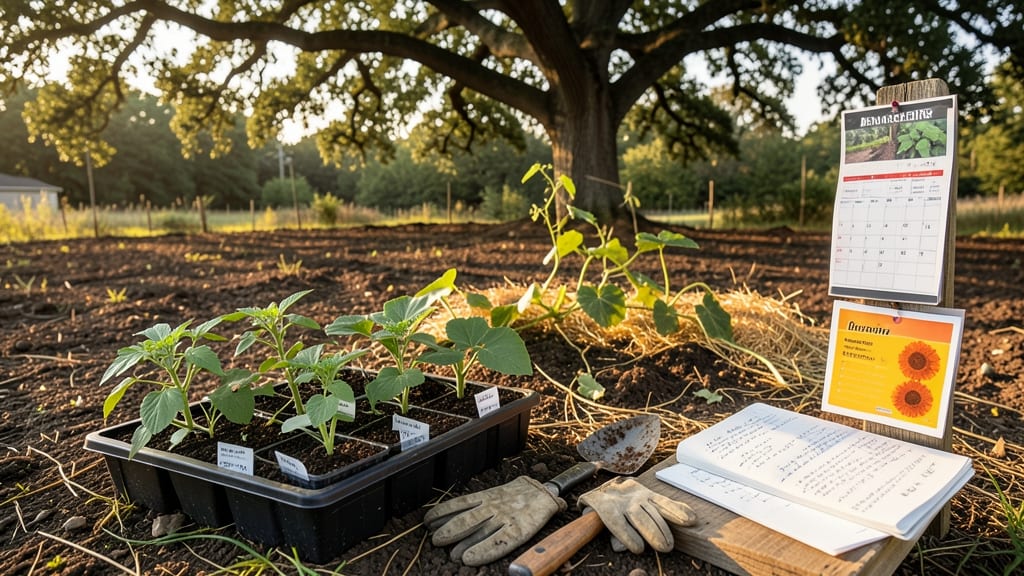
Planting a garden in Arkansas at the right time means the difference between a bountiful harvest and wasted effort—especially in Zones 7A/7B, where frost can strike well into March.
Arkansas gardeners know timing is everything—plant too early and risk frost damage, too late and miss peak harvests. With Zone 7A/7B’s unpredictable spring weather, knowing exactly when to start seeds, transplant seedlings, and harvest can mean the difference between a thriving garden and a disappointing one.
This guide breaks down the ideal planting windows for everything from cool-season greens to heat-loving tomatoes, plus how to adjust for Arkansas’s unpredictable frost dates and regional microclimates.
You’ll learn the month-by-month schedule for Little Rock, Fayetteville, and Fort Smith, plus tips for extending your growing season with row covers and heat-tolerant varieties.
Arkansas planting calendar: zone 7A/7B month-by-month guide for vegetables and flowers
Arkansas’s Zone 7A/7B climate offers a long growing season—but timing is critical. The last average frost date in Little Rock and Fayetteville typically lands around March 15, while Fort Smith’s slightly warmer microclimate may see frost-free conditions by March 1.
For cool-season crops, start 6-8 weeks before your last frost, while warm-season plants like tomatoes and peppers need soil temperatures above 60°F to thrive.
To maximize yields, I’ve broken down planting windows by crop type and region. Whether you’re growing heirloom tomatoes or vibrant zinnias, this guide ensures you avoid frost damage and extend harvests.
For example, broccoli can handle light frosts, while okra needs warm soil to germinate—knowing these details makes all the difference.
🌱
| Month | Cool-Season Crops (Start Indoors) | Cool-Season Crops (Direct Sow) | Warm-Season Crops (Transplant) | Warm-Season Crops (Direct Sow) | Flowers |
|---|---|---|---|---|---|
| February | Broccoli, Spinach, Lettuce | Peas, Radishes, Kale | — | — | Pansies, Snapdragons |
| March | Cabbage, Cauliflower, Onions | Carrots, Beets, Lettuce | Tomato, Pepper, Eggplant seedlings | Green Beans, Corn | Marigolds, Zinnias, Petunias |
| April | Late Spinach, Arugula | Potatoes, Turnips, Spinach | Transplant remaining warm crops | Cucumbers, Squash | Cosmos, Sunflowers |
| May | — | — | Direct sow okra, sweet potatoes | Melons, Southern Peas | Lantana, Vinca |
| August | Late Cabbage, Broccoli | Radishes, Lettuce, Spinach | Transplant broccoli, cabbage | — | Asters, Chrysanthemums |
| September | Kale, Collards, Mustard Greens |
How to adjust planting times for Arkansas’s unpredictable weather patternsArkansas’s Zone 7A/7B climate throws curveballs with late frosts in spring and sudden heatwaves that can stunt young plants. I’ve learned the hard way that sticking to a rigid planting schedule often backfires—especially for heat-loving crops like watermelons or delicate greens such as spinach. The key is flexibility: adjusting based on soil temperature, weather forecasts, and even backup planting dates for your high-value crops. Start by monitoring soil temperatures with a cheap digital thermometer. Most warm-season crops (tomatoes, peppers, okra) thrive when soil hits 60–65°F, while cool-season crops (lettuce, broccoli) can handle 40–50°F. In Arkansas, this often means waiting until mid-April for warm-season starts—even if your neighbor planted in March. I’ve seen seedlings wilt overnight from a 30°F dip in late April, so don’t rush! ⚠️ callout-warning ⚠️
🌡️ Arkansas Frost & Heat Surprises
Late frost risk: Even after March 15 (average last frost), 30% chance of frost in Zone 7A through April 15. Use row covers or wait until April 30 for warm-season crops. Heatwave danger: 90°F+ temps in June–July can shock young plants. Watermelons and okra need 75°F+ soil—plant mid-May for best results. Backup plan: Keep 3–4 weeks of succession planting dates ready for high-value crops like tomatoes or peppers. For watermelons and okra, which are finicky about timing, I plant two batches: the first in mid-May (when soil is reliably warm) and a backup in early June if the first batch struggles. Row covers are my secret weapon for early spring—they raise soil temps by 5–10°F and protect seedlings from wind and pests. I use floating row covers (like Agribon) over broccoli and cabbage until May 1 to extend the season. Don’t overlook moisture management either. Arkansas summers bring drought-like conditions even with rain—mulch heavily with straw or leaves to retain soil moisture. I water deeply every 2–3 days in summer, focusing on the root zone to avoid fungal issues. For okra, which bolts in heat, I plant shade cloth temporarily during 100°F+ days to keep it producing. When all else fails, have backup planting dates ready. For example:
Finally, trust your local Arkansas Cooperative Extension for real-time updates. Their frost alerts and heat advisories are gold—sign up for emails or follow them on social media. With these strategies, you’ll turn Arkansas’s unpredictable weather into an advantage, not a setback. Happy (and flexible) gardening! 🌱 |