
Planting
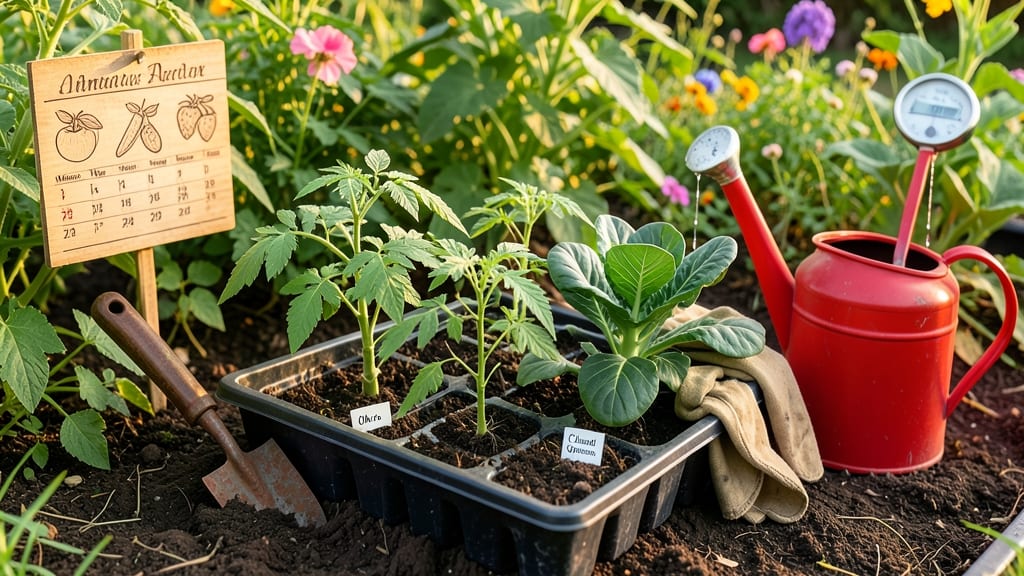
Planting a garden in Alabama at the right time means the difference between a bountiful harvest and a sad, wilted disappointment — and the window to get it right is narrower than you think.
Alabama’s warm climate and long growing season make it a gardener’s paradise, but planting too early or too late can leave your 🌱 General Alabama Garden struggling. Whether you’re sowing cool-season greens or heat-loving tomatoes, timing is everything.
From late February to early April in the north and as late as August for fall crops, Alabama’s planting calendar varies by zone and crop type.
The key is knowing your last frost date — March 15 in most regions — and adjusting for soil temperatures that reach at least 60°F for warm-season plants.
In this guide, I’ll break down the exact planting windows for your region, from cool-season starts to fall succession crops, so you can maximize yields and avoid common mistakes that ruin timing.
Alabama planting zones explained: when to start seeds vs. transplants
Alabama’s USDA Plant Hardiness Zones 7b-8a create a unique gardening landscape where cool-season crops thrive in early spring and fall, while warm-season plants dominate summer.
But timing isn’t one-size-fits-all—North Alabama’s 7b (like Huntsville) has later last-frost dates than South Alabama’s 8a (like Mobile), meaning your planting window shifts by weeks. Understanding these differences helps you avoid frost damage or stunted growth from heat stress.
For cool-season crops like broccoli and spinach, I start seeds 4-6 weeks before the last frost—typically mid-February to early March in Zone 8a and late February to mid-March in Zone 7b. Transplants go in 2-3 weeks before last frost, so adjust based on your frost-free date.
Meanwhile, warm-season crops like tomatoes and peppers need soil temps above 60°F, so I wait until mid-April in Zone 7b or early April in Zone 8a to plant seeds directly or transplant seedlings.
Here’s the critical difference: Zone 7b gardeners (North AL) must rush to beat spring frosts, while Zone 8a gardeners (South AL) can plant earlier and enjoy a longer growing season. For example, okra thrives in Zone 8a’s heat but bolts in Zone 7b’s cooler summers.
Use this comparison table to align your planting with Alabama’s microclimates and soil temperature thresholds.
| Zone & Location | Last Frost Date | Ideal Seed Start (Cool-Season) | Transplant Window (Cool-Season) | Warm-Season Soil Temp Threshold | Direct Sow Window (Warm-Season) |
|---|---|---|---|---|---|
| 7b (North AL: Huntsville, Decatur) | March 15–April 1 | Feb 20–Mar 15 | Mar 1–Mar 25 | ≥60°F (Mid-April) | Apr 15–May 10 |
| 8a (Central AL: Birmingham, Montgomery) | March 1–March 15 | Feb 1–Feb 28 | Feb 20–Mar 10 | ≥60°F (Early April) | Mar 20–Apr 15 |
| 8a (South AL: Mobile, Dothan) | Feb 15–Feb 28 | Jan 20–Feb 15 | Jan 30–Feb 20 | ≥60°F (Late March) | Mar 1–Mar 20 |
For Zone 7b gardeners, prioritize early spring transplants of cabbage and kale to harvest before summer heat sets in. In Zone 8a, you can stretch cool-season crops into late fall—planting spinach in October for winter harvests.
But watch for soil temperature drops: if nights dip below 50°F, cover seedlings with row fabric to protect tender greens.
Warm-season crops like sweet potatoes and peppers demand patience—don’t rush! Test soil temperature with a soil thermometer (available at garden centers) before planting. In Zone 7b, wait until May 1 for okra; in Zone 8a, you can plant by April 15.
Pro tip: Mulch heavily to keep soil warm and retain moisture during Alabama’s dry summer spells.
Fall planting in Alabama is a gardener’s secret weapon. While most focus on spring, Zone 8a can grow broccoli and carrots until November, while Zone 7b should finish by October 15.
Use succession planting: sow radishes every 2 weeks in late summer for continuous harvests. Just remember—first frost arrives earlier in North Alabama (Nov 1) than in South Alabama (Nov 15).
Microclimates complicate things further. Urban areas like Birmingham may have 5°F warmer soil temps than rural spots due to heat islands. If you’re unsure, start seeds
Month-by-month Alabama garden calendar: what to plant when
Alabama’s climate lets gardeners enjoy two growing seasons—spring and fall—with warm-season crops stretching into summer. But timing matters! Planting cool-season crops too late or warm-season crops too early can lead to poor yields.
North Alabama’s cooler microclimates differ from South Alabama’s longer heat windows, so adjust accordingly. Below is your month-by-month guide, including succession planting tips to keep your harvests flowing.
Start with early spring crops like peas and lettuce in February, then transition to tomatoes and peppers by May. Fall planting begins in August with heat-tolerant greens like collards, followed by broccoli and kale as temperatures drop.
Use this calendar to align your planting with Alabama’s 200-240 frost-free days, maximizing your garden’s potential year-round.
| Month | North AL | Central AL | South AL | Succession Tip |
|---|---|---|---|---|
| February | Peas, Spinach, Lettuce | Peas, Onions, Kale | Peas, Radishes, Carrots | Sow every 2 weeks |
| March | Broccoli, Cabbage, Beets | Broccoli, Peppers (indoor), Beans | Tomatoes (start), Peppers (start) | Transplant seedlings |
| April | Cucumbers, Corn, Squash | Tomatoes, Peppers, Eggplant | Okra, Sweet Potatoes, Melons | Plant after last frost |
| May | Beans, Okra, Sweet Corn | Peas (fall), Collards, Turnips | Peppers, Tomatoes (succession) | Thin seedlings |
| August | Collards, Mustard Greens | Broccoli, Cabbage, Beets | Carrots, Radishes, Spinach | Direct sow for fall |
| September | Peas, Lettuce, Spinach | Peas, Kale, Onions | Peas, Radishes, Carrots | Cover seedlings |
In February, focus on cool-season crops like peas and spinach, which thrive in Alabama’s mild winter temperatures. North Alabama’s earlier frost dates mean you’ll need to act fast—sow seeds every 2 weeks for a continuous harvest.
Central and South Alabama can extend this window slightly, but avoid planting heat-loving crops like tomatoes until soil warms in April.
By March, transition to transplanting seedlings of broccoli and cabbage, while starting peppers and tomatoes indoors. Wait until soil temperatures reach 60°F+ for warm-season crops—use a soil thermometer to avoid stunted growth.
In South Alabama, you can even plant early tomatoes outdoors by late March if protected from late frosts.
June through July is peak time for warm-season crops