
Planting
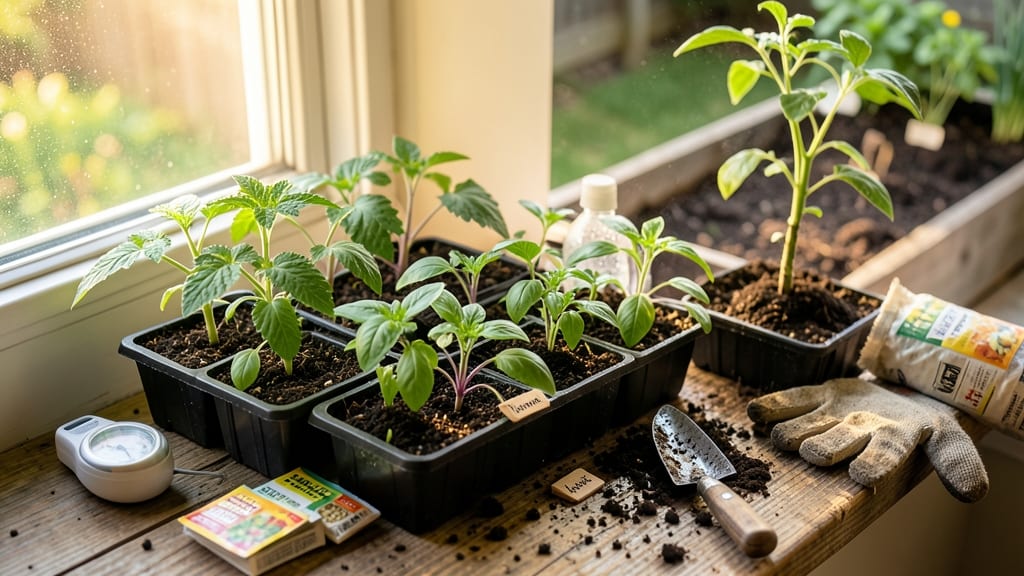
Planting seeds in your garden at the right time means the difference between a lush harvest and a sad pile of shriveling sprouts.
Timing your seed planting wrong can mean the difference between a thriving garden and wasted effort—especially when frost, heat, or soil conditions threaten your seedlings before they even sprout.
In USDA Zone 6a, like many regions, the window for planting General Garden Seeds 🌱 varies wildly depending on whether you’re growing cool-loving lettuce or heat-hungry tomatoes. Too early, and a late frost wipes them out; too late, and you’re left with bitter greens or stunted veggies.
Below, I’ll break down the exact months to plant for perfect germination, how to adjust for your local climate, and the common mistakes that turn hopeful gardeners into frustrated ones.
USDA planting zones & seed starting dates by month
Getting your seed planting timing right depends on your USDA planting zone, which determines your last frost date and growing season length. Whether you're growing cool-season crops like lettuce or warm-season favorites like tomatoes, knowing when to plant seeds ensures strong germination and healthy growth.
Let's break down ideal planting windows for USDA zones 3-10, including adjustments for northern vs. southern climates.
Most gardeners follow the rule of thumb: plant cool-season crops 4-6 weeks before the last frost and warm-season crops 2-4 weeks after. However, soil temperature matters just as much as air temperature.
For example, peppers and eggplants need soil at 70°F+ to germinate, while spinach and peas thrive in 40-50°F soil. Always check seed packets for specific requirements.
Below is your zone-specific planting guide for direct sowing seeds. For transplanting seedlings, adjust these dates by 2-4 weeks earlier to account for starting indoors. Remember, southern zones (8-10) often have longer growing seasons, while northern zones (3-5) may need early starts or cold frames.
| USDA Zone | Cool-Season Crops (Direct Sow) | Warm-Season Crops (Direct Sow) | Frost-Free Window | Key Adjustments |
|---|---|---|---|---|
| Zones 3-4 | March-April (peas, spinach, kale) / Sept-Oct (fall crops) | May-June (tomatoes, peppers, beans) | 100-140 days | Use cold frames; start warm-season seeds indoors in March |
| Zones 5-6 | April-May (lettuce, carrots) / Aug-Sept (fall crops) | April-May (after last frost) / July-Aug (late crops) | 140-180 days | Watch for late frosts; mulch to extend season |
| Zones 7-8 | Feb-April (broccoli, cabbage) / Sept-Nov (fall crops) | March-June (tomatoes, cucumbers) / Aug-Sept (late crops) | 180-240 days | Longer seasons allow multiple plantings; succession planting works well |
| Zones 9-10 | Oct-Feb (winter crops) / Sept-Nov (fall crops) | Feb-July (continuous planting) | 240-365 days | Plant year-round; avoid summer heat stress with shade cloth |
🌱 Note: Adjust for microclimates (e.g., urban heat islands may extend warm-season planting)
For USDA zones 3-4, where winters are harsh, focus on early spring and late summer plantings. My favorite trick is using row covers to extend the season by 2-4 weeks in both spring and fall.
For example, in zone 4, I plant radishes in late April under a lightweight cover to protect them from late frosts that can still occur in May.
In zones 5-6, you'll have more flexibility with succession planting. For instance, after harvesting an early crop of bush beans in July, I immediately sow carrots or lettuce in the same space.
This maximizes your garden's productivity. Always keep a planting calendar to track what's in the ground and when to expect harvests.
Southern gardeners in zones 7-10 often struggle with heat stress during summer. To combat this, I plant heat-tolerant varieties like Okra or Malabar spinach in June and July.
For cool-season crops, focus on fall and winter plantings—in zone 9, I direct sow broccoli in September for a harvest before Christmas.
One common mistake is ignoring soil temperature when planting. Always use a soil thermometer—most seeds need soil temps between 50-85°F to germinate properly. For example, cucumbers won't sprout if the soil is below 60°F, even if air temps are warm.
In zone 6, I wait until late May to plant cucumbers, even though the air feels warm earlier.
Regional adjustments are key. In the Pacific Northwest (zone 7-8), coastal areas stay cooler longer than inland spots. I plant tomatoes in late May near the coast but can start them 2 weeks earlier inland.
Similarly, in the Southeast (zone 8-9), humidity affects germination—always use well-draining soil to prevent rot. For precise timing, check your local Cooperative Extension Service for frost date averages.
Pro tip: Use seed starting trays for warm-season crops in zones 3-5 to get a head start. I
How to adjust planting timing for your local climate
Your local climate isn't just about the USDA zone—it’s also about microclimates, soil temperature, and even urban heat islands. I’ve learned the hard way that planting tomatoes too early in my Zone 6a garden led to frost damage, while starting basil indoors too late meant stunted growth.
The key is fine-tuning your approach based on real-world conditions, not just general guidelines.
Start by checking your last frost date—but don’t rely solely on the Old Farmer’s Almanac. Cross-reference it with your local Cooperative Extension Service for hyper-local data. For example, urban areas often experience 5-10°F warmer soil temperatures than rural spots just a few miles away due to concrete and asphalt.
This can shift your planting window by 2-3 weeks.
🌱 5 Steps to Perfect Your Planting Timing
- 1. Test Soil Temperature: Use a soil thermometer—most seeds need 40-85°F soil to germinate. Cool-season crops like kale thrive at 40-50°F, while peppers need 70-85°F.
- 2. Map Your Microclimates: South-facing slopes warm faster; low areas stay cooler. Note these spots to adjust planting dates for heat-loving or cool-tolerant plants.
- 3. Use Frost-Free Calculators: Tools like the Old Farmer’s Almanac or Almanac’s Frost Calculator let you input your ZIP code for precise dates.
- 4. Start Indoors for Early Risks: If your area has unpredictable frosts, begin pepper or tomato seeds indoors 6-8 weeks before your last frost date.
- 5. Adjust for Urban Heat: Cities can be 10°F warmer at night. Plant heat-sensitive crops like lettuce in shaded beds or use row covers.
Don’t forget about succession planting—this lets you stretch your growing season by sowing radishes every 2 weeks instead of all at once. I’ve extended my harvest by 4-6 weeks using this trick, even in short-season zones.
Pair it with season extenders like cold frames or hoop houses for extra protection.
For herbs like cilantro, which bolts in heat, I plant successive batches every 3 weeks in spring and fall. This ensures a steady supply without the bitter taste that comes from heat stress. Even flowers benefit—marigolds sown in early summer bloom longer than those planted in spring.
Pro tip: Keep a gardening journal to track when you plant and how your crops perform. Over time, you’ll spot patterns—like how my Zone 6a garden’s soil hits 50°F by April 10th every year, perfect for spinach and peas.
Share your notes with neighbors; their microclimates might differ from yours by 1-2 weeks.
Finally, when in doubt, err on the side of caution. It’s easier to cover young plants with row fabric than to replant after a late frost. With these tweaks, you’ll turn your garden into a climate-smart powerhouse—no more wasted seeds or disappointed dreams. 🌱