
Shrubs
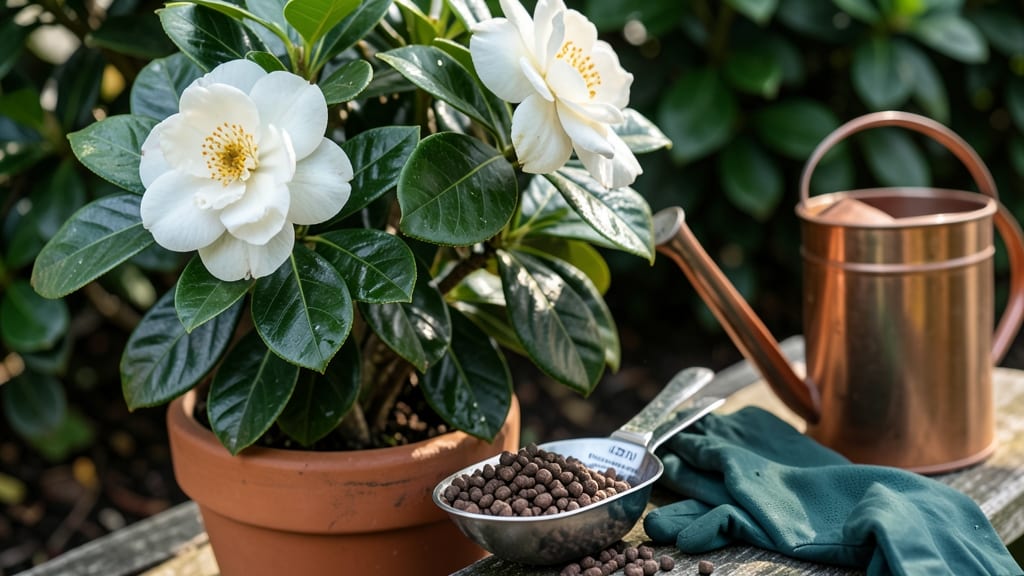
To fertilize gardenias at the right time means feeding them just as they wake up from dormancy and again when they’re pushing hard for blooms—spring and summer are your key windows.
Struggling to get your gardenias to bloom? The secret might be simpler than you think—timing your fertilizer perfectly can transform a lackluster plant into a fragrant, flower-filled beauty. 🌸 But when exactly should you feed these acid-loving shrubs for maximum impact?
Most gardeners overlook the fact that gardenias hate winter feeding, yet many still fertilize in December, burning roots instead of boosting blooms. The truth? A light spring feed kickstarts growth, while summer feedings every 4-6 weeks fuel those iconic white flowers.
Below, I’ll walk you through the exact schedule—when to feed, what to use, and how to spot the signs your gardenia is begging for nutrients (or screaming for a break).

Best fertilization schedule for gardenias by season (with acid-loving tips)
Gardenias thrive when fed at the right time—too early or too late, and you’ll miss that fragrant bloom bonanza they’re famous for. These acid-loving shrubs need seasonal adjustments to grow strong and flower beautifully.
Whether you’re a first-time gardener or a seasoned pro, timing your fertilizer applications makes all the difference. Let’s break down the perfect schedule to keep your gardenias happy year-round.
Gardenias are heavy feeders but sensitive to over-fertilization. The key is feeding them when they’re actively growing—not during dormancy or extreme heat. In warmer climates (zones 8-11), you might extend your feeding window slightly, but the core principles remain the same.
Always use a low-pH fertilizer (5.0-6.0) to mimic their natural acidic soil preferences.
| Season | Month | Fertilization Schedule | Notes |
|---|---|---|---|
| Spring | March | Light feed (1 tbsp) | Start when new growth appears |
| April | Full feed (1 tbsp) | Peak blooming season begins | |
| May | Light feed (1 tbsp) | Support summer growth | |
| Summer | June | Full feed (1 tbsp) | Avoid midday heat application |
| July | Light feed (1 tbsp) | Monitor for stress signs | |
| August | Full feed (1 tbsp) | Prepare for fall blooms | |
| Fall | September | Light feed (1 tbsp) | Reduce feeding as temps drop |
| October | None | Stop feeding before first frost | |
| Winter | November | None | Dormancy period begins |
| December | None | Resume feeding in spring |
Spring is all about revitalizing growth. Start with a light feed in March as your gardenias break dormancy. Look for fresh, vibrant leaves—this is your cue to begin. By April, switch to a full feed to support the first flush of blooms.
May’s light feeding ensures your plants stay strong for summer’s heat. Pro tip: Always water thoroughly after fertilizing to prevent root burn.
Summer demands consistent feeding to keep blooms coming. Feed every 4-6 weeks with a balanced, acidic fertilizer. June and August are critical months for gardenias in warmer climates—these are when they’ll reward you with the most flowers.
Apply fertilizer in the early morning to avoid scorching leaves in the afternoon heat. If you notice yellowing leaves, it could signal over-fertilization or a need for more acidity.
Fall is for preparing your gardenias for winter. A light feed in September helps them store nutrients for dormancy, but stop by October to let them rest. In colder climates (zones 6-7), this is especially important.
Mulch around the base with pine needles or peat moss to maintain soil acidity naturally. This layer also insulates roots from freezing temperatures.
Winter is dormancy time—no fertilizer needed. Gardenias rest during these months, and feeding can stress them. Focus instead on protecting them from frost. If you live in a mild winter zone (8-11), you
Signs your gardenia needs fertilizer (and when to avoid it)
Your gardenia might be whispering for help—literally! If those white blooms are sparse or missing entirely, or if leaves turn yellow between veins, your plant could be nutrient-starved. These signs scream: "Feed me!" But before grabbing that fertilizer, let's decode what your gardenia is truly asking for.
Don't confuse hunger signs with stress signals. Over-fertilizing causes brown leaf tips or crispy edges—your plant's way of saying "Too much!"—while under-fertilizing leads to stunted growth and weak stems. The key? Learning when to feed and when to pause.
When to Fertilize Gardenias
- Spring (March-May): Boosts new growth after dormancy
- Summer (June-August): Supports bloom production
- Light fall feeding: Prepares roots for winter
- Winter (Dec-Feb): Causes root burn during dormancy
- After pruning: Wait 6-8 weeks for new growth
- Transplant shock: Pause feeding for 4-6 weeks
🌱 Pro Tip: Always fertilize in morning hours to prevent leaf burn from salt buildup.
New growth in spring is your first cue to fertilize—look for 1-2 inch shoots emerging from buds. Use a balanced acid fertilizer (like 6-6-6) to match your gardenia's pH 5.0-6.0 needs. Summer is prime time for feeding every 4-6 weeks to fuel those fragrant blooms.
But watch for over-fertilization red flags: Crispy leaf edges, yellowing between veins, or white salt deposits on soil mean you've gone overboard. Flush the soil with water and hold off on feeding for 2-3 months to let roots recover.
After pruning or transplanting, your gardenia needs a break. Fresh cuts divert energy to healing—not feeding. Wait 6-8 weeks post-prune or 4-6 weeks after transplanting before reintroducing fertilizer to avoid shock.
Even in fall, a light feeding (half-strength) helps roots store nutrients for winter. But by November, most gardenias enter dormancy—skip fertilizer entirely until spring growth resumes. Your plant's natural rhythm is the best guide.
🌸 Quick Checklist: Before fertilizing, verify: ☑️ New growth (spring/summer) ☑️ No leaf burn (check edges) ☑️ No transplant shock (wait 4-6 weeks) ☑️ Soil pH 5.0-6.0 (test with kit) ☑️ No recent pruning (wait 6-8 weeks)