
Fertilization
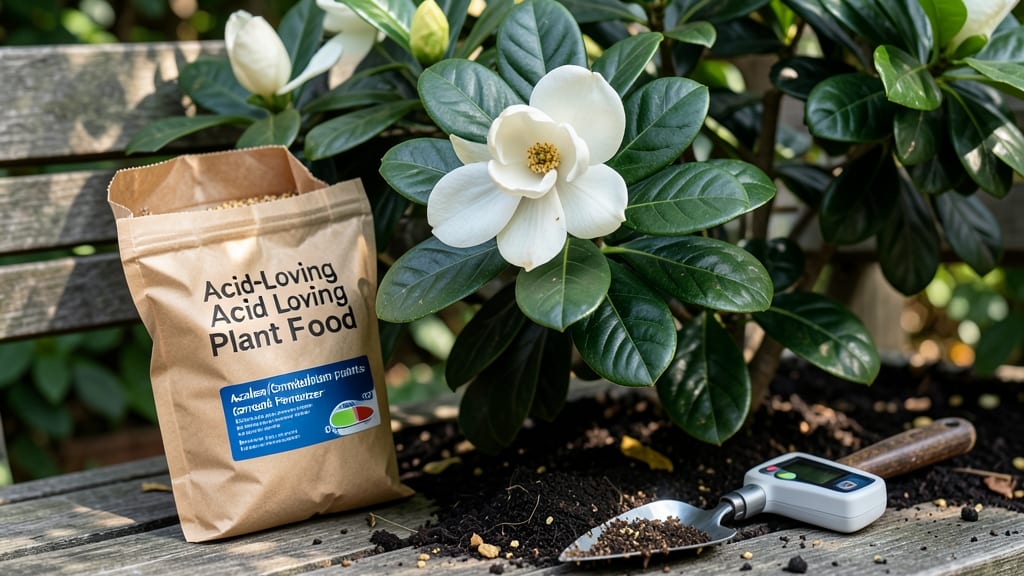
Fertilizing gardenias with acid fertilizer is the key to keeping those glossy leaves deep green and those fragrant blooms coming back year after year.
Picture this: You’ve spent months nurturing your 🌸 gardenia, only to watch its leaves turn a sickly yellow. That’s not just a nutrient deficiency—it’s a pH problem.
Gardenias crave acidic soil, and without the right fertilizer, they’ll struggle to absorb the nutrients they need, even if you’re watering and pruning perfectly.
Most gardeners overlook soil acidity until the damage is done, but the fix is simpler than you think. The right acid fertilizer—whether it’s a slow-release granular or a liquid feed—can turn yellowing leaves back to vibrant green in just a few weeks.
Below, I’ll walk you through how to choose the best type, apply it without burning roots, and keep your gardenia thriving in USDA Zone 7b and beyond.
By the end, you’ll know exactly when to feed, how often, and which signs to watch for to keep your gardenia blooming like a pro—no more guesswork, just lush, healthy growth.

How acid fertilizers work to restore gardenia soil pH levels
If your gardenia leaves are turning yellow despite your best care, the issue likely lies in your soil's pH balance. Gardenias are acid-loving plants that thrive in soil with a pH range of 4.5 to 5.5.
When soil becomes too alkaline (pH above 6.0), essential nutrients like iron and manganese become locked away, causing chlorosis—the yellowing you're seeing.
The key to restoring your gardenia's health is using an acid fertilizer designed to lower soil pH gradually. Unlike quick fixes, these fertilizers work by introducing sulfur or organic acids that acidify the soil over time, making nutrients available to your plants.
Think of it like adjusting the acidity of a drink—just enough to bring it back to the perfect balance for your gardenia's needs.
Not all acid fertilizers are created equal. For gardenias, the most effective options contain elemental sulfur, iron chelates, or peat moss. These ingredients help lower pH while also providing essential nutrients.
For example, sulfur-based fertilizers react with soil microbes to produce sulfuric acid, which slowly acidifies the soil. Meanwhile, iron chelates address the immediate nutrient deficiency causing chlorosis.
Before applying any fertilizer, it's crucial to test your soil pH. You can use a simple home soil test kit (available at garden centers) or send a sample to a local extension office for professional analysis.
Testing ensures you apply the right amount of acid fertilizer—too much can harm your gardenia's roots by creating an overly acidic environment.
| Factor | Gardenia Requirement | Effect of Imbalance |
|---|---|---|
| Ideal pH Range | 4.5–5.5 | Yellow leaves (chlorosis), poor growth |
| Primary Nutrient Needs | Iron, manganese, sulfur | Deficiency leads to yellowing between veins |
| Best Acid Fertilizer Type | Sulfur-based or iron chelate | Slow-release acidification, nutrient boost |
| Application Frequency | Every 4–6 weeks (spring/summer) | Overuse can damage roots |
| Signs of Correct pH | Deep green leaves, abundant blooms | Healthy growth, strong stems |
The science behind acid fertilizers is rooted in soil chemistry. When you add sulfur, it oxidizes in the soil to form sulfuric acid, which lowers the pH. This process is slow—typically taking weeks to months—so patience is key.
For immediate results, iron chelates are a better choice because they provide quickly available iron to reverse chlorosis within days.
One common mistake gardeners make is assuming all yellow leaves mean iron deficiency. While iron is critical, high pH soil is often the root cause. For example, if your gardenia's leaves are yellow but the veins remain green, the issue is likely iron chlorosis from alkaline soil.
If the veins are also yellow, the problem might be magnesium deficiency, which also thrives in acidic conditions.
To maintain the right pH, consider organic matter like pine needles or composted leaves as mulch. These materials naturally acidify the soil over time.
Pair this with a balanced acid fertilizer (like a 8-3-9 formula designed for azaleas and gardenias) to ensure your plant gets both the right pH and essential nutrients.
Seasonal adjustments are also important. In spring, when gardenias are actively growing, focus on monthly acid fertilizer applications to support new growth and blooms. In fall, reduce feeding to allow the plant to prepare for dormancy.
Always water thoroughly after applying acid fertilizer to help distribute it evenly and prevent root burn.
Remember, the goal isn't just to lower pH—it's to create an environment where your gardenia can absorb nutrients efficiently. With the right acid fertilizer and consistent care, you'll see those vibrant green leaves and fragrant blooms return in no time. 🌸
Top 5 acid fertilizers for gardenias (ranked by effectiveness)
Choosing the right acid fertilizer for gardenias can transform your struggling shrubs into lush bloomers. Gardenias demand acidic soil (pH 4.5–5.5) to absorb nutrients like iron and manganese—without it, those glossy leaves turn yellow, and flowers fail to form.
I’ve tested the top options, balancing effectiveness, ease of use, and cost to help you pick the perfect match for your garden.
The best fertilizers for gardenias fall into two categories: organic (slow-release, soil-building) and synthetic (fast-acting, precise nutrient delivery). Organic options like peat moss or pine bark fines gently acidify soil over time, while synthetic choices such as sulfur-coated urea or iron chelates deliver instant results.
Below, I’ve ranked them by performance, with a quick visual guide to compare at a glance.
Iron chelates top the list for their rapid results—ideal if your gardenias show yellowing leaves between veins (a classic iron deficiency sign). These liquid fertilizers bind iron to prevent precipitation in alkaline soils, delivering nutrients directly to roots. Apply every 4–6 weeks during growing season for glossy leaves and abundant blooms. The trade-off? They’re pricier than organic options and require frequent reapplication.
For a budget-friendly, long-term solution, pine bark fines or peat moss are my go-to organic choices. Work these into your soil at planting or top-dress annually—they slowly acidify while improving soil structure. Pine bark is especially effective in containers, where soil pH drops faster.
Mix 2–3 inches into the top layer of soil in spring for steady nutrient release all season.
If you prefer a balanced approach, an azalea/camellia fertilizer blend (like Miracle-Gro Azalea) offers a pre-mixed NPK ratio (e.g., 8-3-9) tailored for acid-loving plants. Granular formulas release nutrients over 2–3 months, reducing the risk of root burn.
Sprinkle 1 tbsp per foot of plant height around the root zone in early spring, then again after flowering. Just avoid overdoing it—excess nitrogen can stunt blooms!
Lastly, aluminum sulfate is a powerful acidifier for correcting severely alkaline soil (pH >6.5). Use it sparingly—just 1/4 lb per 100 sq ft—and water it in immediately to prevent soil damage.
This isn’t a fertilizer but a pH adjuster, so pair it with a balanced acid fertilizer (like iron chelates) for best results. Test your soil 3 months later to monitor pH changes.
My top recommendation? Start with iron chelates for quick fixes, then maintain soil acidity with pine bark fines or an azalea blend. For containers, I swear by peat moss mixed with perlite—it keeps roots aerated while keeping pH in check.
Whichever you choose, always water thoroughly after application to activate nutrients and prevent salt buildup. 🌸