
Fertilization
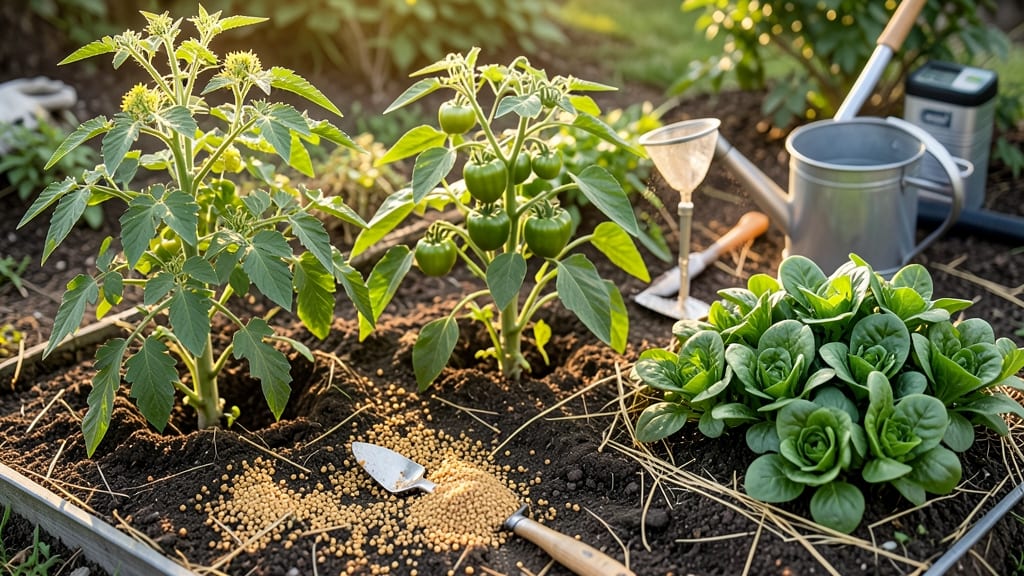
To fertilize your garden, time it by plant type and soil conditions: use slow-release fertilizer in early spring before new growth starts, or switch to liquid feed during peak blooming for flowers. Always test your soil first to prevent over-fertilizing.
Timing matters because plants absorb nutrients most efficiently during specific growth stages. 🌱 For example, root vegetables like carrots and beets need nutrients at the start of their growth cycle, which is why early spring is ideal.
Flowering plants, on the other hand, require a nutrient boost when they're actively producing blooms—usually mid-season. Understanding your soil's pH and nutrient levels through testing helps you avoid wasting fertilizer or harming plants with excess chemicals.
I've found that organic fertilizers often provide slower, more consistent nutrient release, while synthetic options can give plants a quick boost when they need it most. The key is balancing timing with what your plants are actively doing—whether it's establishing roots, producing leaves, or flowering.
This approach ensures your garden thrives without unnecessary stress or waste.
💡 In This Article
- Seasonal Fertilizing Timelines for Vegetables, Flowers, and Lawns
- How to Schedule Fertilizer Applications Based on Soil Test Results
Seasonal fertilizing timelines for vegetables, flowers, and lawns
Plants absorb nutrients most efficiently during specific growth phases, which is why timing matters. Root vegetables like carrots and beets need nutrients when they're establishing their root systems—typically in early spring when soil temperatures reach 50-55°F.
This is when they're most active in converting nitrogen into amino acids for cell growth. Meanwhile, leafy greens such as lettuce and spinach thrive with a nitrogen boost during their rapid leaf production phase, which often aligns with late spring to early summer when daylight hours increase.
The science behind this involves plant physiology: flowering plants, like roses or tomatoes, require a higher phosphorus content during their blooming stage to support flower and fruit development.
This usually occurs mid-season when days are longest. 🌸 For example, tomatoes need a fertilizer with an NPK ratio of around 5-10-10 during flowering to maximize fruit set.
Grass types also follow different cycles—cool-season grasses like Kentucky bluegrass benefit from early spring and fall feedings, while warm-season grasses like Bermuda grass need fertilization in late spring and summer when they're actively growing.
Understanding these cycles helps prevent over-fertilizing, which can lead to leaf burn or nutrient runoff. I've noticed that organic fertilizers, like compost or manure, release nutrients gradually, making them ideal for early spring applications.
Synthetic fertilizers, on the other hand, provide an immediate boost, which is useful during peak growth phases like mid-season blooming. For instance, a balanced 10-10-10 fertilizer applied during flowering can significantly increase yield in vegetable gardens.
Seasonal variations also affect nutrient availability. In cooler climates, soil microbes break down organic matter more slowly, so early spring applications may need to be lighter. Conversely, in warmer regions, the growing season extends, allowing for more frequent feedings.
For example, in Florida, gardeners often fertilize every 6-8 weeks during the growing season, while in New England, a single spring application might suffice for many plants.
Lawns require a slightly different approach. Cool-season grasses like fescue need fertilization in early spring and fall to support root growth and winter hardiness. Warm-season grasses like zoysia, however, respond best to fertilization in late spring and early summer.
The key is matching the fertilizer type to the grass type and growth stage. Over-fertilizing lawns can lead to thatch buildup or excessive growth that requires more mowing, so always follow local guidelines.
To make this easier, I've created a simple seasonal guide for common garden plants:
- Early Spring (March-May): Root crops, cool-season grasses, and early vegetables like peas and lettuce
- Mid-Season (June-July): Flowering plants, tomatoes, and other fruiting vegetables
- Late Summer (August-September): Fall vegetables like kale and broccoli, plus cool-season grass preparation
Paying attention to these timelines ensures your garden gets the right nutrients at the right time, leading to healthier plants and better yields. 🌿