
Planting
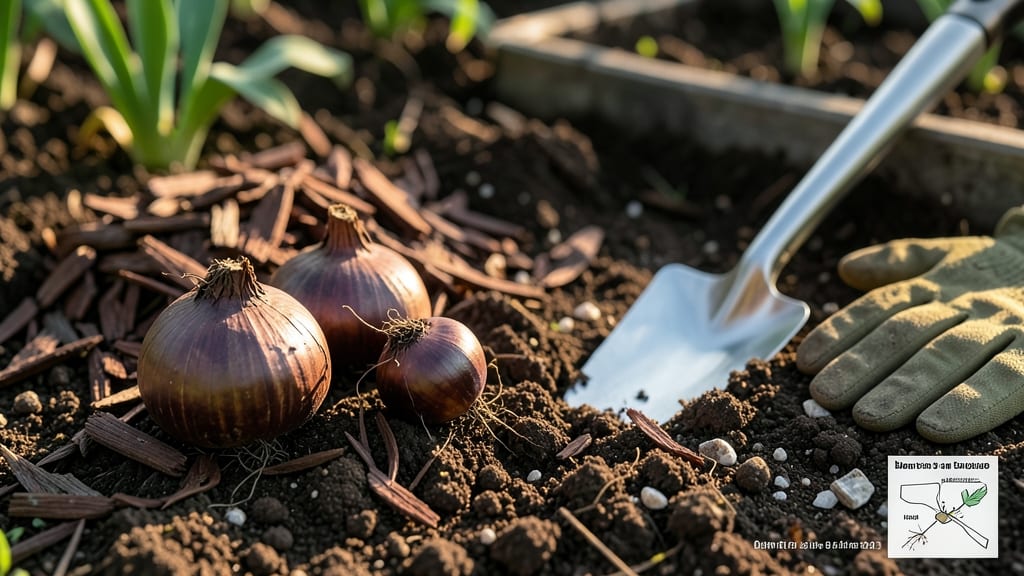
Planting lily bulbs in garden at the right time ensures those showstopping blooms 🌸 will appear year after year, not next year.
Timing is everything—get it wrong, and you’ll miss those stunning summer blooms entirely. But with the right zone-specific schedule, you can ensure vibrant trumpet lilies, Asiatic hybrids, or fragrant Oriental varieties thrive in your garden year after year.
Fall planting is the golden standard for most USDA zones, but whether you’re in the chilly 6a of my home region or the balmy South, the rules shift.
I’ll walk you through the exact months for your zone, why fall works best, and when spring planting might actually be smarter for your climate.
You’ll also discover how to read your soil’s signals, avoid the 5 most common planting mistakes, and give your lilies the head start they need for bold, healthy blooms next summer.
Best planting months for lily bulbs by USDA hardiness Zones
Planting lily bulbs at the right time ensures strong root growth before winter or spring warmth, leading to vibrant blooms the following summer. Unlike many plants, lilies thrive when planted in fall or early spring, but the ideal window varies dramatically by USDA hardiness zone and regional microclimates.
In colder zones, bulbs need time to establish roots before frost, while warmer climates may require spring planting to avoid summer heat stress.
I’ve gardened with lilies across Zones 4 through 9, and the difference between a perfect planting schedule and a failed attempt comes down to understanding your zone’s last frost date and soil temperature trends.
For example, my Zone 5 garden in upstate New York demands fall planting by mid-October, while my friend in Zone 8 Florida plants hers in late winter to avoid summer drought. Let’s break down the best months for each zone to maximize your lily’s success.
| USDA Zone | Fall Planting Window | Spring Planting Window | Key Consideration | Microclimate Adjustment |
|---|---|---|---|---|
| Zones 3-4 | Late August – mid-September | Early May (after last frost) | Bulbs need 6-8 weeks to root before winter | Plant earlier in northern areas; delay 1-2 weeks in sheltered microclimates |
| Zones 5-6 | Mid-September – October | April (after soil thaws) | Avoid planting when soil temps drop below 50°F | In urban heat islands, extend fall window to November |
| Zones 7-8 | October – November | February – March | Spring planting preferred to avoid summer heat | In coastal zones, plant spring bulbs earlier (January) |
| Zones 9-10 | November – December | January – February | Fall planting risks summer dormancy; spring ideal | In desert climates, plant at night to reduce heat stress |
⚠️ Pro Tip: For tropical lilies (e.g., Lilium longiflorum), plant in late spring after frost danger passes in Zones 9-10.
In Zones 3-4, where winters are harsh, I always plant my Asiatic lilies in late August to give roots time to establish before the ground freezes. The key is ensuring bulbs are in the ground 6-8 weeks before the first hard frost.
If you’re in a Zone 4 microclimate with late frosts—like a valley surrounded by hills—delay planting until mid-September to avoid early cold snaps.
For Zones 5-6, my go-to is October planting, but I adjust based on soil temperature. If the ground feels warmer than 50°F, bulbs will root faster.
In Zone 6 cities like Denver, urban heat can extend the fall window to mid-November, while rural areas may need earlier planting. Spring planting in these zones works too, but blooms may be smaller if bulbs don’t establish roots early.
Southern gardeners in Zones 7-10 often prefer spring planting to avoid summer drought stress. In Zone 8 Atlanta, I plant Oriental lilies in February to let them bloom by June.
However, if you’re in a coastal Zone 8 like Charleston, where winters are mild, you can plant as early as January. For Zones 9-10, like my friend’s garden in Phoenix, fall planting is risky—bulbs may rot in summer heat, so spring is the only safe option.
One common mistake I see is planting lilies too late in fall, especially in colder zones. If bulbs don’t root before winter, they’ll rot instead of flowering. Conversely, planting too early in spring in warm zones can cause bulbs to sprout and then freeze during unexpected cold snaps.
Always check your local frost dates and adjust by 2-4 weeks based on your microclimate.
For container gardening, timing shifts slightly. In Zones 5-7, I plant potted lilies in late spring (May) and move them to the garden in fall for winter.
This gives roots time to adapt before transplanting. In Zones 8-10, containers stay outdoors year-round, but I still plant in spring to avoid summer dormancy issues.
Regardless of your zone, always plant lilies in well-draining soil with 6-8 inches of organic matter mixed in. Add a slow-release bulb fertilizer at planting time to give roots a nutrient boost.
How to choose between fall vs. spring planting for maximum blooms
Deciding between fall and spring planting for lilies comes down to two key factors: root establishment and frost sensitivity. Most hardy lilies—like Asiatic and Martagon varieties—thrive when planted in fall, giving their roots time to anchor before winter.
But tropical lilies or late-season hybrids might need a spring start to avoid cold damage.
Fall planting lets bulbs develop strong roots before dormancy, ensuring earlier and more vigorous blooms the following summer. Spring planting, however, gives you more control in unpredictable climates or when dealing with tender varieties like Oriental lilies.
The choice depends on your USDA zone and the specific lily type you’re growing.
Fall Planting
- Roots establish before winter
- Earlier blooms next season
- Less competition from weeds
- Risk of frost heaving
- Limited time for soil prep
- Not ideal for tender bulbs
Spring Planting
- Better for tropical lilies
- More control over timing
- Avoids winter moisture issues
- Slower root growth
- Later blooms
- Weed competition increases
For hardy lilies in Zones 3-8, aim to plant bulbs 6-8 weeks before the first frost. In Zones 9-10, spring planting is safer to avoid winter rains that can rot bulbs. Always choose a well-draining spot—lilies hate soggy soil—and amend with compost to improve fertility.
If you’re growing tropical lilies or late-season varieties, break the rules and plant in spring after the last frost. These types can’t handle cold, so waiting until soil warms to 60°F ensures survival. Just be prepared for delayed blooms compared to fall-planted hardy types.
My personal trick? Test soil moisture before planting. If the ground feels too dry in fall, water deeply to help roots establish. In spring, wait until you see consistent daytime temps above 50°F—this signals it’s safe for tender bulbs.
Remember, timing isn’t everything—proper soil prep and sun exposure matter just as much. With the right approach, you’ll get show-stopping blooms whether you plant in fall or spring! 🌸