
How To
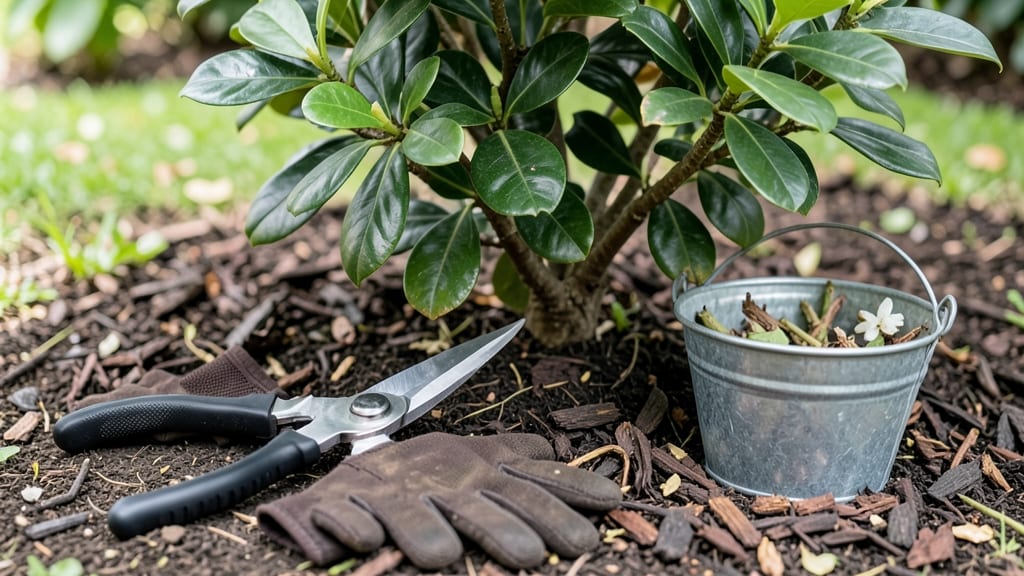
To cut back gardenia bushes at the right time ensures next year’s blooms will outshine this year’s — and late winter is your golden window for shaping that future.
Struggling to keep your gardenia bush thriving? Timing your pruning cuts could mean the difference between sparse blooms and a lush, fragrant display next spring. Late winter is your golden window—but why, exactly, and how?
Most gardeners wait until after the last frost, but there’s a sweet spot in late February or March when your gardenia is dormant yet poised to burst into growth. Cut too early, and you risk frost damage; too late, and you may snip off next season’s buds.
Below, I’ll walk you through the exact timing for USDA Zone 6 (and beyond), the tools you’ll need, and the 3 critical mistakes that turn pruning into a setback instead of a setup for success.
The perfect late winter timeline for pruning gardenia bushes
Late winter is the ideal time to prune your gardenia bushes because it aligns with their natural dormancy period. During these chilly months, gardenias rest after blooming, making them less stressed by pruning cuts.
This strategic timing helps stimulate new growth and ensures a bountiful bloom next spring. The key is to prune after the last frost but before active growth begins.
Understanding your USDA hardiness zone is crucial. Gardenias thrive in zones 7-11, but the exact timing varies. In warmer zones (9-11), late winter might mean February or early March. For cooler zones (7-8), wait until late March or early April when frost risk has passed.
Pruning too early risks frost damage to fresh cuts, while waiting too long delays spring blooming.
Here’s the science behind it: Gardenias bloom on old wood, meaning last year’s growth produces this year’s flowers. Pruning in late winter removes dead or weak branches while preserving the flower-producing structure.
This balance encourages healthier foliage and more abundant blooms in the coming season. Think of it as giving your gardenia a fresh start before the growing season kicks in.
Regional variations matter. In Zone 10-11, where winters are mild, prune in late January to February. In Zone 8, aim for mid-to-late February. For Zone 7, wait until early April to avoid late frosts.
Always check your local last frost date—this is your pruning cue. A general rule: Prune 2-4 weeks after the last frost, but before new buds appear.
| Zone | Pruning Window | Key Cues | Why It Matters |
|---|---|---|---|
| 7-8 | Late March–Early April | After last frost, no new buds | Avoids frost damage to cuts |
| 9 | Mid-February–March | Mild winters, no frost risk | Encourages early spring growth |
| 10-11 | Late January–February | Dry season begins | Prevents fungal growth in humidity |
Timing isn’t just about avoiding frost—it’s also about hormonal cues. Gardenias produce flowering hormones in late winter as daylight increases. Pruning too late disrupts this process, delaying or reducing bloom production.
Aim to finish pruning 4-6 weeks before your area’s average last frost date. This gives your gardenia enough time to heal cuts and prepare for spring growth.
Watch for new growth signs like swollen buds or tender leaves. These indicate it’s time to hold off on pruning. In Zone 7, for example, if you see buds breaking by mid-April, prune by early April.
In Zone 10, where growth is year-round, prune when old blooms fall—usually January. This ensures you’re always ahead of the growth curve.
Pro tip: Pair pruning with soil prep. After cutting, add compost or acidic fertilizer (like peat moss) to the soil. This supports root recovery and provides essential nutrients for the upcoming growing season.
Think of it as a two-step process: prune first, then feed. Your gardenia will thank you with healthier foliage and more fragrant blooms.
Mistakes to avoid include pruning too aggressively or too late. Never remove more than 1/3 of the plant in one session—this stresses the gardenia and can reduce flowering. Also, avoid pruning after new shoots appear, as this can stunt growth.
Step-by-step pruning guide: how to cut back without killing your gardenia
Pruning your gardenia bush correctly is like giving it a fresh start—if done wrong, you risk stunted growth or fewer fragrant blooms next season. The key lies in precision cuts and knowing which branches to trim.
Start by gathering your tools: sharp bypass pruners for clean cuts and a sterilized saw for thicker stems. Always disinfect tools with rubbing alcohol to prevent spreading disease.
Before you begin, inspect your gardenia for dead or diseased branches. These are your first targets—they’ll never bloom again and can harbor pests. Look for brown, brittle wood or stems with black spots.
Healthy branches should have a greenish hue and firm texture. Never skip this step, as diseased wood can infect the entire plant if left unchecked.
⚠️ callout-warning ⚠️
Timing is everything! Prune your gardenia after flowering season but before new growth appears—typically in late winter (February-March) for USDA zones 7-11. In colder zones (6 or below), wait until after the last frost (usually April). Cutting too early can expose tender growth to frost damage, while waiting too long may reduce next year’s blooms.
🌱 Pro Tip: If your gardenia blooms in late spring, prune immediately after flowers fade.
Now for the technique: always cut just above a leaf node or outward-facing bud. This encourages growth in the right direction. Use a 45-degree angle for cuts larger than ½ inch to prevent water from pooling on the wound.
For smaller branches, a straight cut works fine. Avoid leaving stubs, as they invite disease and rot.
When selecting branches to remove, prioritize overcrowded stems and those growing inward. These compete for sunlight and nutrients, weakening your gardenia’s overall health. Aim to thin out 20-30% of the bush—never more than that in one session.
Heavy pruning can shock the plant and delay blooming. If your gardenia is young or leggy, you can remove up to ⅓ of the foliage, but mature bushes need gentler treatment.
One of the biggest mistakes gardeners make is pruning too aggressively in hopes of a bushier plant. Gardenias respond best to gradual shaping. Another error? Cutting into old wood (wood older than 3 years).
These branches rarely regrow, and removing them can leave permanent gaps. Always focus on new growth and healthy stems when pruning.
After pruning, clean up all debris from the base of the plant to reduce pest and fungal risks. Apply a layer of mulch around the root zone to retain moisture and regulate soil temperature.
Water deeply but avoid soaking the foliage, which can promote fungal diseases like powdery mildew. With proper aftercare, your gardenia will reward you with lush, fragrant blooms next season.