
How To
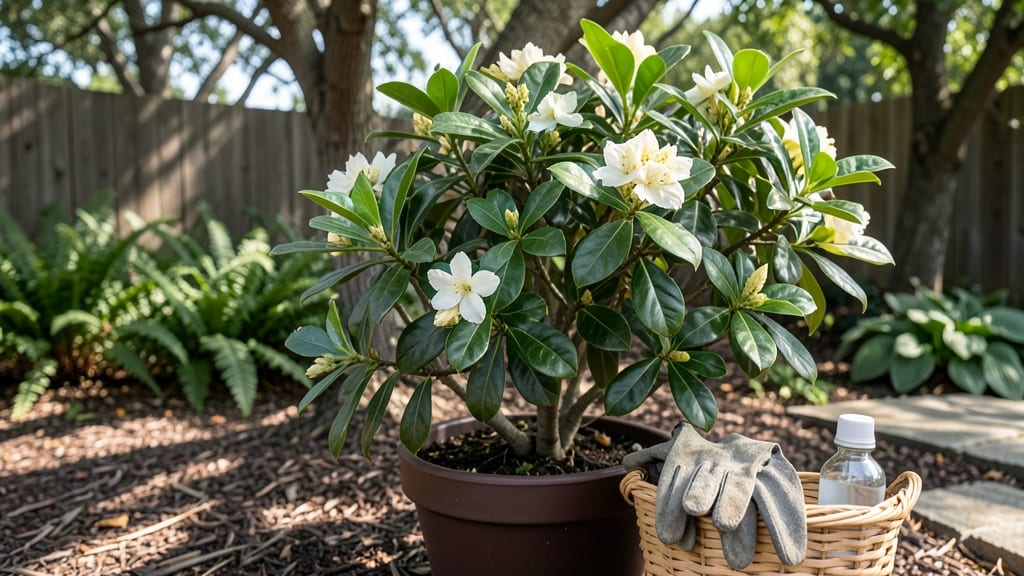
Trimming gardenia bushes at the right time ensures vibrant blooms and healthier growth—and the best window is late winter to early spring, just as new shoots emerge.
Struggling to keep your gardenia bushes blooming beautifully year after year? Timing your pruning perfectly can transform your gardenia 🌸 from a struggling shrub to a fragrant, lush centerpiece—if you know when to cut and when to wait.
Most gardeners make the mistake of pruning too late, which cuts off next year’s flower buds. In warmer climates like USDA Zone 9b, late winter (February) is ideal, while cooler regions should wait until early spring when frost risk has passed.
Below, I’ll walk you through the exact steps to prune your gardenia for maximum blooms, including how to spot the perfect growth stage and avoid common pruning pitfalls that leave your plant looking ragged.
Best seasons to trim gardenia bushes for maximum blooms
Timing your gardenia bush pruning can make the difference between a sparse few blooms and a lush, fragrant display. Gardenias thrive when pruned at the right time, but many gardeners accidentally cut at the wrong season—reducing flower production or stressing the plant.
The key is understanding how seasonal growth patterns align with your gardenia’s natural bloom cycle. In warmer climates like USDA Zone 9b, late winter is ideal, while cooler regions may shift to early spring.
Pruning too early can remove next year’s flower buds, while waiting too long may lead to overgrowth or missed blooming opportunities. Gardenias produce flowers on new wood, meaning they bloom on current season’s growth rather than last year’s stems.
This unique trait means your cuts should encourage fresh, vigorous growth—but not at the expense of established blooms. Let’s break down the best windows and why they matter.
Late winter pruning, typically between February and March, is the gold standard for gardenias in frost-free climates. This timing aligns with the plant’s natural dormancy period, allowing you to remove dead or crossing branches without disturbing next year’s buds.
In USDA Zone 9b, where gardenias thrive year-round, late winter gives the plant a head start on spring growth. Focus on structural shaping—this is when you can reshape your gardenia into its ideal form.
For gardeners in cooler regions like Zones 7-8, early spring becomes critical. Wait until after the last frost date (usually mid-March to April) before pruning. The goal here is to stimulate fresh growth while preserving the delicate balance of existing blooms.
Avoid heavy cuts—stick to light trimming to remove only the most problematic branches. This approach prevents shock and ensures your gardenia enters its blooming season strong.
Post-bloom pruning, which occurs in May or June, serves a different purpose: it’s about encouraging next year’s flowers. After your gardenia finishes blooming, remove spent flowers and any leggy growth. This practice redirects the plant’s energy toward producing new buds for the following season.
Think of it as a reset button—it keeps your gardenia compact and promotes continuous blooming. Just be sure to avoid cutting into old wood, as gardenias bloom on new growth.
One common mistake is pruning in summer or fall. Heavy cuts during these seasons can stress your gardenia, leaving it vulnerable to pests, disease, or winter damage. In frost-prone areas, pruning too late can also expose tender new growth to cold snaps.
If you must prune outside the ideal windows, limit yourself to light deadheading—never structural cuts. Always prioritize the plant’s natural rhythms over convenience.
Regional climate plays a huge role in timing. In southern states (Zones 9-11), gardenias can be pruned almost year-round with minimal risk, but late winter remains optimal. Northern gardeners (Zones 6 and below) should wait until after the last frost and avoid pruning in autumn.
Even in warm climates, a sudden cold snap can damage new growth, so always check your local frost dates if you’re on the cusp of a transition zone.
Pro tip: Observe your gardenia’s growth. If you notice leggy stems or overcrowded branches, that’s your cue to prune—even if it’s slightly outside the typical window. The key is balance: remove enough to improve air circulation and shape, but leave enough foliage to support photosynthesis.
A well-pruned gardenia should have an open, airy structure with room for new growth to flourish.
Remember, gardenias reward patience. If you’ve missed the ideal pruning window, don’t panic—just adjust your approach. Light trimming is always better than aggressive cuts. With the right timing and technique, your gardenia will reward you with abundant, fragrant blooms year after year. 🌸
Step-by-step guide to pruning gardenia bushes by season
Pruning your gardenia bushes at the right time ensures vibrant blooms and healthy growth. I’ve learned the hard way that cutting too early or too late can stunt flower production or even damage the plant.
The key is understanding seasonal cues and following a structured approach to maintain your gardenia’s shape while encouraging new growth.
Gardenia bushes thrive when pruned during specific windows each year. Late winter to early spring is ideal for shaping, while post-bloom pruning helps maintain airflow and prevents disease. Each season requires a slightly different technique, and using the wrong tools or timing can stress your plant.
Let’s break down the process step by step to keep your gardenias looking their best.
When to Trim Gardenia Bushes by Season
- 1 Late Winter (February) – Prune dormant branches to shape the bush and remove dead or crossing growth. This encourages spring blooms and improves airflow.
- 2 Early Spring (March) – Lightly trim any overgrown branches or those that haven’t bloomed well. Avoid heavy pruning, as this can reduce flower production.
- 3 Post-Bloom (June-July) – Trim spent flowers and any leggy growth to encourage a second flush of blooms. This also helps maintain the bush’s shape.
- 4 Avoid Pruning in Fall/Winter – Pruning during dormant months (October-January) can shock the plant and reduce next year’s blooms. Wait until late winter to resume.
Start by gathering the right pruning tools. I recommend using sharp, clean bypass pruners for small branches and loppers for thicker stems. Always disinfect your tools with rubbing alcohol to prevent spreading disease. Cut just above a leaf node or bud to encourage new growth in the right direction.
When pruning, focus on removing dead, diseased, or crossing branches first. These compete for nutrients and can weaken the plant. Next, thin out the center to improve airflow, which reduces humidity-related issues like powdery mildew.
Remember, gardenias respond well to light pruning—never remove more than one-third of the plant at once.
One common mistake I’ve seen is pruning too late in the season. If you cut back gardenias in late summer or fall, new growth won’t have time to harden off before winter, leaving them vulnerable to cold damage.
Another pitfall is using dull tools, which can tear branches and invite infections. Always make clean, angled cuts about ¼ inch above a bud.
After pruning, give your gardenia a boost with a balanced fertilizer (10-10-10) to support new growth. Water deeply to help the plant recover, and mulch around the base to retain moisture.
With the right timing and care, your gardenia will reward you with lush foliage and abundant blooms all season long. 🌸