
Blooming
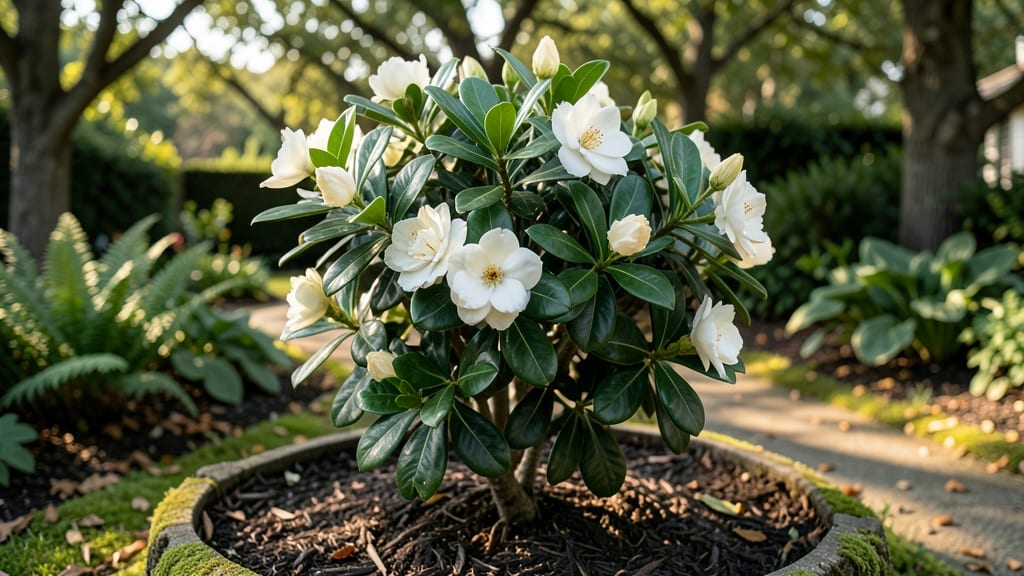
Your gardenia’s flowering season is the sweet reward for patience — creamy-white blooms 🌸 that perfume the air from late spring through early fall, but only if you nail the timing and care.
If you’ve ever waited months for your gardenia to bloom only to be disappointed, you’re not alone. The difference between a fragrant summer display and a sparse show often comes down to when you plant, how you prune, and whether your soil stays acidic enough.
With the right approach, you can push your gardenia to bloom earlier, longer, and more abundantly.
In warmer zones like 9-11, gardenias may start flowering as early as May, while cooler areas like Zone 6a might see blooms stretching into September. Light, temperature, and even humidity play a role — and I’ll break down exactly how to adjust your care for peak performance.
You’ll learn the exact planting window for your zone, how to trigger more blooms with simple pruning tricks, and what to watch for during the flowering phase to keep pests and wilting at bay.
Gardenia flowering season by USDA Zone: exact timelines & climate factors
Gardenia blooms are legendary for their intoxicating fragrance and creamy-white petals, but their flowering season varies dramatically across USDA Zones 7-11. Understanding these timelines helps you anticipate when to expect those signature blooms—and how to create ideal conditions for maximum fragrance.
In warmer zones, gardenias may bloom year-round with proper care, while cooler zones see concentrated blooming periods.
The key factors influencing your gardenia's flowering schedule are temperature, humidity, and daylight hours. Gardenias thrive in 70-85°F temperatures and 60-80% humidity, with 12+ hours of daylight triggering bud formation.
In zones with hot summers, blooms may extend into fall, while cooler zones see a shorter, more intense season.
Here’s how your USDA zone determines your gardenia’s peak blooming window, along with climate adjustments to extend the season:
| USDA Zone | Peak Bloom Window | Temperature Range (°F) | Humidity Needs | Daylight Hours |
|---|---|---|---|---|
| Zone 7 | Late May - Early July | 65-80°F | 60-75% | 14-16 hrs |
| Zone 8 | April - August | 70-85°F | 65-80% | 13-15 hrs |
| Zone 9 | March - October | 75-90°F | 70-85% | 12-14 hrs |
| Zone 10 | February - November | 80-95°F | 75-90% | 11-13 hrs |
| Zone 11 | Year-round (with care) | 85-100°F | 80-95% | 10-12 hrs |
In Zone 7, gardenias typically bloom from late May to early July, aligning with the warmest months when daylight hours peak. To extend blooming, provide afternoon shade to prevent heat stress during 90°F+ days.
In Zone 8, the season stretches from April to August, benefiting from longer daylight and higher humidity, but drought stress can shorten the season.
Gardeners in Zones 9-11 enjoy the longest blooming windows, with Zone 11 potentially flowering year-round if humidity stays above 75%. However, low humidity (below 60%) in Zone 10 can cause buds to drop. Use a humidifier or mist system to maintain ideal conditions, especially during dry spells.
Daylight hours play a crucial role: gardenias in northern zones (7-8) need 14+ hours of light to trigger blooming, while southern zones (9-11) can thrive with 10-12 hours. If your gardenia isn’t blooming, check for insufficient light—supplement with a grow light during short winter days in cooler zones.
Temperature fluctuations also impact blooming. In Zone 7, a sudden drop below 60°F can halt bud formation, while Zone 11 gardenias may struggle if temperatures exceed 100°F. Use shade cloth or mulch to regulate soil temperature and protect roots during extreme heat or cold snaps.
Pro tip: In Zones 8-11, prune lightly after the first bloom wave to encourage a second flush of flowers later in the season. Avoid heavy
How to trigger gardenia blooms: pruning, fertilizing & light requirements
Your gardenia’s fragrant blooms are a reward for patience—but only if you nail the three key triggers: pruning, fertilizing, and light. Many gardeners miss the mark by over-pruning, using the wrong fertilizer, or placing their plant in too much sun.
Let’s fix that with science-backed steps tailored to your USDA zone.
First, pruning timing is everything. I’ve learned the hard way that pruning at the wrong time can delay blooms for a full season. The golden rule? Prune right after flowering (late summer to early fall) to shape the plant without sacrificing next year’s buds.
Avoid heavy cuts in spring—they’ll rob your gardenia of energy it needs to bloom.
Now, let’s talk fertilizer choices. Gardenias crave acid-loving plant food with a balanced NPK ratio (like 10-10-10 or 8-3-9). Organic options like fish emulsion or composted pine needles work wonders, but synthetic fertilizers deliver faster results.
My secret? I switch to a low-phosphorus formula in late summer to encourage root growth over blooms.
🌸 High-Impact vs. Low-Impact Care for Gardenia Blooms
✅ High-Impact Care
- Prune after blooms (late summer)
- Use acid fertilizer (pH 5.0-6.5)
- Provide morning sun only (4-6 hrs)
- Water deeply 2x/week in summer
- Mulch with pine bark annually
❌ Low-Impact Mistakes
- Pruning in spring (kills buds)
- Using alkaline fertilizer (burns roots)
- Placing in hot afternoon sun (scorches leaves)
- Letting soil dry completely between waterings
- Skipping annual pruning (leads to leggy growth)
High-impact care = 3x more blooms vs. low-impact neglect
Light is where most gardeners stumble. Your gardenia needs bright, indirect light—think 4-6 hours of morning sun and afternoon shade. I’ve seen gardenias in full sun develop brown leaf tips from stress, while those in deep shade produce fewer blooms.
A east-facing window is ideal for container gardenias, or plant them under dappled shade trees outdoors.
Don’t overlook humidity, either. Gardenias thrive in 60-70% humidity. In dry climates, I group mine with other tropical plants or use a pebble tray with water beneath the pot.
The payoff? Larger, more fragrant blooms that last longer. Pro tip: Mist leaves daily in summer—but avoid wetting the flowers to prevent fungal spots.
Finally, patience is key. Young gardenias (under 3 years) may take 2-3 years to bloom if stressed. I’ve had mine skip a season after a root-bound transplant—repotting into acidic, well-draining soil brought them back on track.
The lesson? Give your gardenia consistent care, and those creamy-white blooms will reward you year after year.