
Tools
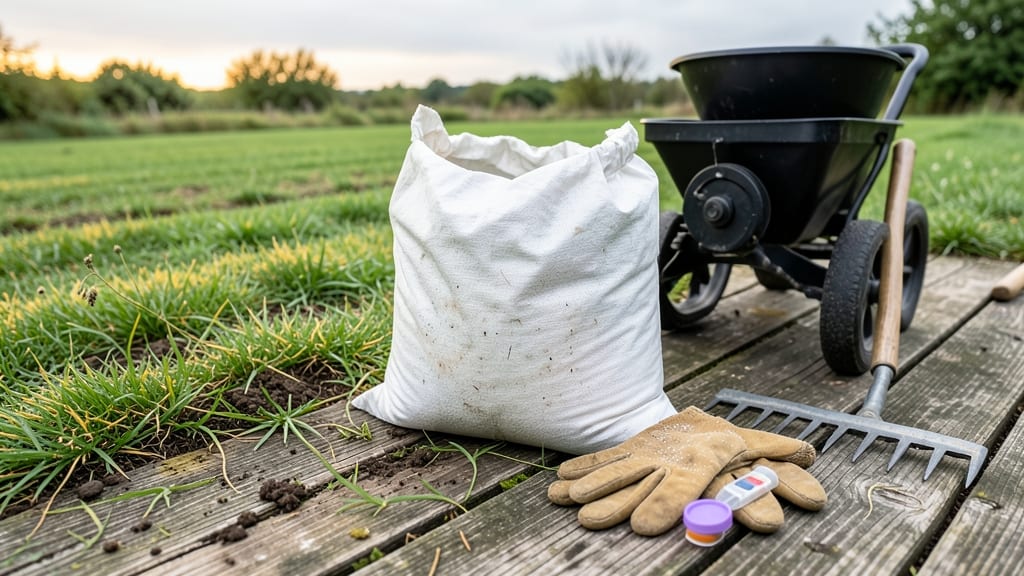
To apply lime to garden, test soil pH first—ideal timing is early spring or fall when soil is workable and plants are dormant. Spread evenly, water lightly, and retest pH in 2-3 months for adjustments. Avoid applying before heavy rains or freezing temperatures to maximize effectiveness.
Lime application works best when soil conditions are stable, which is why spring and fall are the best seasons.
During these periods, the ground is neither frozen nor waterlogged, allowing lime to penetrate evenly and react properly with acidic soil. 🌱 I’ve found that applying lime in early spring gives plants a head start for the growing season, while fall treatment prevents winter soil erosion from washing away the amendment.
The key is patience—lime takes time to neutralize acidity, so don’t expect instant results.
Before spreading, conduct a simple pH test using a soil kit from your garden center. Most plants thrive in slightly acidic to neutral soil (pH 6.0–7.0), so aim for that range.
If your soil tests below 6.0, you’ll need to calculate how much lime to apply—typically 50–100 pounds per 1,000 square feet, depending on severity. Spread it evenly with a broadcast spreader, then lightly water the area to help it settle into the soil.
💡 In This Article
- How Soil pH Affects Lime Application Timing
- Step-by-Step Guide to Testing and Applying Garden Lime
How soil pH affects lime application timing
Soil pH determines how effectively lime can neutralize acidity. When soil pH drops below 6.0, aluminum and manganese—harmful to plant roots—become more soluble.
Lime (calcium carbonate) reacts with these acids through a chemical process called neutralization, where hydrogen ions (H+) bind with carbonate ions (CO₃²⁻) to form water and carbon dioxide. This reaction raises pH gradually, typically 0.5–1.0 points per application, depending on soil type and organic matter content.
The best timing for lime application—early spring or fall—aligns with when plants are dormant but soil remains workable. In spring, lime has 6–8 weeks to integrate before the growing season peaks, while fall applications prevent winter erosion from washing away the amendment.
Heavy rainfall or freezing temperatures disrupt this process: rain can leach lime before it reacts, while frozen ground prevents penetration. For example, applying lime in mid-summer risks it being washed away by storms, while winter applications sit on top of frozen soil, failing to reach roots.
Climate plays a critical role in lime absorption. In humid regions, lime breaks down faster due to higher moisture, requiring more frequent applications (every 2–3 years). Conversely, dry climates may need less lime but benefit from light watering post-application to activate the reaction.
The goal is to achieve a stable pH of 6.0–7.0, where most vegetables and flowers thrive. Over-liming (pH above 7.5) can lock out essential nutrients like iron and phosphorus, harming plant health.
Soil texture also influences timing. Sandy soils drain quickly, so lime should be applied before rain to allow absorption, while clay soils retain moisture longer, making fall application ideal.
For instance, a loamy soil (balanced sand, silt, clay) absorbs lime evenly, requiring 50–75 pounds per 1,000 sq ft for moderate acidity. Always test soil 2–3 months after application to confirm pH adjustments—this gives lime time to react fully.
One common mistake is applying lime too late in the season. If you miss spring or fall, consider a light top-dressing in early winter (when soil isn’t frozen) for slow-release benefits. However, this method is less effective than seasonal timing.
For example, azaleas and blueberries—acid-loving plants—may need less lime or none at all, while vegetables like tomatoes and peppers demand neutral pH (6.0–7.0) for optimal growth.
The science behind lime’s effectiveness lies in its ability to buffer soil pH over time. Unlike quick-fix fertilizers, lime works gradually, so patience is key. Think of it like adjusting the acidity in a recipe: a little at a time ensures balance without overpowering.
For instance, a garden bed with a pH of 5.5 might need 100 pounds of lime per 1,000 sq ft, while a pH of 6.0 could require only 50 pounds. Always follow up with a retest to fine-tune results.
Pro tip: Mix lime into the top 2–3 inches of soil for best results. This depth ensures roots encounter neutralized zones while minimizing surface runoff. For large gardens, divide applications into sections to avoid overwhelming the soil. 🌿